


Kenya’s malls are filling up even as fewer people walk through them. Cytonn puts retail occupancy in the Nairobi Metropolitan Area at 87.2% in Q1 2026, while Knight Frank reports softer footfall.
The shoppers who do visit want groceries, a pharmacy, a meal and something for the children in one trip. This feature looks at what the data says about that shift, and how Galleria Mall is responding.
Full shops, quieter corridors: what the numbers say
Occupancy and rents in Nairobi’s retail market have strengthened over the past two years. Cytonn reports that average occupancy in the Nairobi Metropolitan Area rose 3.3 points to 85.5% in FY2025, and reached 87.2% in Q1 2026, up from 81.8% a year earlier. Rental yields followed, reaching 8.9% in Q1 2026.
| Nairobi Metropolitan Area retail | FY2024 | FY2025 | Q1 2026 |
|---|---|---|---|
| Average occupancy | 82.2% | 85.5% | 87.2% |
| Average rental yield | 8.4% | 8.8% | 8.9% |
Knight Frank’s 2025 mid-year update said mall visits had declined as real incomes fell and consumers limited trips, and the drop was small but measurable. In the first half of 2026, recurrent public demonstrations disrupted trading and kept some shoppers away. Even so, Grade A malls kept attracting international retailers, and Sarit Centre, The Junction and Village Market each held occupancy above 85%.
Two risks sit behind the headline figures. Cytonn estimates about 3.6 million sq ft of excess retail space in Nairobi and a further 1.9 million sq ft countrywide, and it flags e-commerce and costly financing as constraints. Retail in the satellite towns around Nairobi is weaker still: Cytonn puts its average yield at 7.4% in Q1 2026, with rents of Kshs 142 per sq ft against a market average of Kshs 184. It cites infrastructure gaps and competition from informal retail and service stations.
Convenience is winning
Knight Frank describes a market moving away from very large regional malls and toward neighbourhood and community centres. About 230,000 sq ft of new lettable space entered the Kenyan market in 2025, mostly in neighbourhood and mixed-use schemes. Its Africa Report 2026/27 also notes a broader pullback from speculative mall construction toward logistics, data centres and student housing.
The supermarkets are leading the move. Knight Frank says Naivas, Quickmart and Carrefour are shifting from large mall sites to middle-income residential areas. Naivas closed 2025 with 113 stores and has since opened its 114th at Ruaka Mall. Carrefour grew to 34 outlets, and Quickmart opened its 67th and 68th branches in Eldoret and on Ngong Road.
The tenant mix inside malls is changing too:
- Pharmacies and clinics are the fastest-growing occupiers. They sit next to supermarkets, bring repeat visits and hold up better than fashion or electronics when budgets tighten.
- Car dealers and showrooms are absorbing more retail space.
- Family entertainment is growing. Promenade Mall on Rhapta Road added Smash & Play, with bumper cars, mini-golf and virtual reality.
- Petrol-station retail and small convenience centres in residential neighbourhoods continue to expand. MRE Real Estate’s Ksh 400 million Manyanja Mall in Eastlands combines a Quickmart supermarket, a petrol station, a pharmacy and flexible space for small businesses.
Anchors still matter, and losing one hurts. Garden City’s footfall fell after Shoprite left, before Carrefour took the space as its new anchor. In the city centre, the exit of Tuskys reshaped retail property, and Simara Mall on Tom Mboya Street reopened as a stall-based hub for smaller traders.
Pharmacies, Car Dealers and Family Fun Centres Are Rescuing Kenya’s Malls
A wider lens: where else malls are recovering
Kenya’s shift is part of a global sorting between strong and weak malls, not a simple return to the old model.
- South Africa shows the opposite pattern to Kenya. The Property Owners Association (SAPOA) reports steady mid single-digit trading density growth at super-regional and regional centres in Q1 2026, while community and neighbourhood centres had slower momentum. Growthpoint’s retail footfall rose 1.2% in the 12 months to March 2026, and Attacq’s Mall of Africa recorded a record 17.2 million visits, up 7%. Absa still warns of local oversaturation in dense retail clusters.
- The United States is seeing a modest recovery. Placer.ai data shows Q1 2026 foot traffic up 2.2% at indoor malls, 5.1% at open-air centres and 1.4% at outlet malls, helped by dining, entertainment and value-focused retail. Strong malls are thriving while weaker ones are repositioned or closed.
- The United Kingdom saw retail real estate deliver a 9.6% total return in 2025, according to CBRE data cited by Rightmove, with experiential retail a key driver.
McKinsey’s long-running advice to mall owners points the same way: compete on experience and convenience, since malls cannot match online for range or price. It argues for destinations that offer in-person experiences shoppers cannot get on a phone, and a seamless link between online and in-store shopping. McKinsey’s State of Fashion 2026, as summarised by Coldwell Banker Commercial, adds that brands are reinvesting in premium physical locations.
Deloitte’s Q2 2026 retail trends report similarly describes malls regaining traffic as lifestyle hubs with experience-focused tenants.
Inside Galleria Mall: how it stays a convenience destination
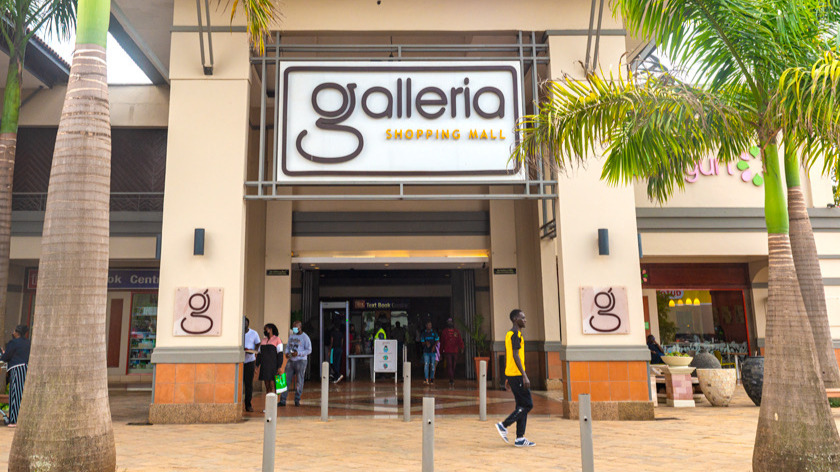
Galleria Mall serves Karen and the wider southern Nairobi area, with shoppers also travelling in from other parts of the city. Its Phase Two expansion, which Khusoko reported as a Ksh 2.2 billion investment, layers entertainment and dining onto an already anchored retail base.
That is the formula Knight Frank and Cytonn describe as working in 2026: convenience, proven demand and reasons to stay. Faith Adhiambo, Galleria’s Marketing Manager, explains how the mall is applying it.

Who shops here now
Galleria’s core shoppers are families, residents of the surrounding neighbourhoods, professionals and customers who want easy access to everyday essentials, services, dining and leisure. Adhiambo says those groups remain important, but that the mall increasingly has to offer more value, convenience and reasons to visit beyond shopping alone.
The goal is for Galleria to be the mall people rely on for errands, whether they are buying groceries, visiting a service provider, meeting friends or spending time with family. With Phase Two, Adhiambo says, customers can get more done in one visit without travelling to a larger shopping destination.
“We want to be the mall people can rely on for their everyday errands, whether they are shopping for groceries, visiting a service provider, meeting friends or spending time with family,” Faith Adhiambo, Marketing Manager, Galleria Mall.

A tenant mix built around everyday needs
Phase Two brings a wider range of lifestyle and leisure offerings, including a cinema, bowling, play areas and additional retail outlets. These sit alongside Galleria’s existing supermarkets, fashion, beauty, home and lifestyle, food and beverage, and service businesses.
Adhiambo stresses that the mall is not moving away from traditional retail. It is building a more balanced mix that gives customers several reasons to visit. Galleria is also working more closely with tenants to raise their visibility through digital promotions, mall events and on-site activations.
Not leaning on one anchor
Adhiambo accepts that supermarkets drive regular footfall, but says Galleria’s long-term strategy is for its appeal not to depend on any single tenant. The mall is building a more diversified destination across retail, dining, lifestyle services and family entertainment, and Phase Two adds a cinema, bowling and play areas as extra draws.
Galleria is also investing in events, seasonal campaigns and tenant partnerships that encourage repeat visits.
“Ultimately, we want customers to choose Galleria not just because of one store, but because of the overall experience, convenience and variety we offer,” she says.
Giving people a reason to stay
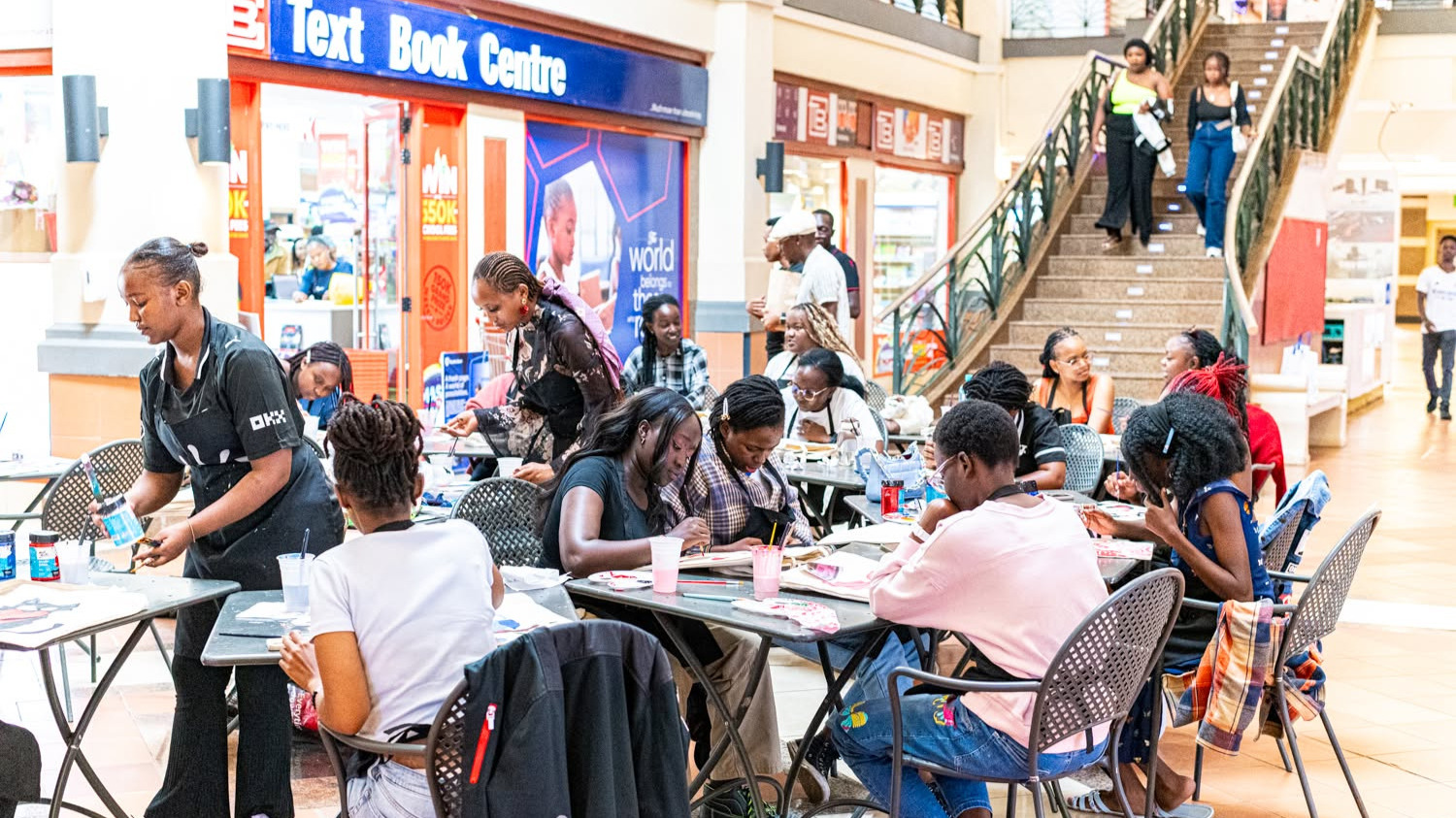
Galleria is leaning into what Adhiambo calls the experience economy, where malls become places to connect, discover and spend time together. Its experience-led programmes include Style, Sip & Shop, Chapter & Chill, wellness experiences, and dance and fitness activities. Seasonal campaigns also give tenants a chance to bring their products and services closer to shoppers, and Phase Two adds entertainment and leisure options meant to keep visitors on site longer.

The mall judges these efforts on event attendance and registrations, tenant participation, engagement across its digital platforms and available footfall data. It also looks at tenant feedback and, where tenants share it, sales information, to see whether activity turns into commercial value.
“Our focus is on moving beyond simply counting visitors to understanding what brings them in, what encourages them to stay, and what makes them return.”
Online, delivery and disruption
Adhiambo describes digital channels as an extension of the physical mall, not a replacement for it. Galleria uses social media content, tenant features, promotions, event announcements and website updates to help shoppers see what is on offer before they visit, and to give tenants more visibility. It is also exploring digital enquiries and a chatbot that directs customers to WhatsApp when they need help from the mall team.
On disruption, she acknowledges that security concerns, demonstrations and traffic can affect people’s willingness or ability to visit. Galleria’s priority is to communicate responsibly, work with its Operations and Security teams, and keep customers informed about access, safety and operational updates. It also encourages tenants to keep up digital engagement while physical visits are affected, so their offers stay visible.
What comes next
Phase Two is the centre of Galleria’s plan. As it brings in the cinema, bowling, play areas and further retail, Galleria aims to combine the convenience of digital engagement with the value of a physical visit.
“We want customers to discover Galleria online, visit with confidence and find enough variety and experience to make the trip worthwhile,” Adhiambo says.
What retailers and landlords can learn
The data points to four lessons for anyone leasing or running retail space in Kenya.
- Build around daily needs. Supermarkets, pharmacies, clinics and food keep people coming back when discretionary spending is weak.
- Plan for anchor risk. Anchors draw the crowds, so a mall that depends on one is exposed if it leaves. Cover that with a broad tenant base and early talks on lease renewals.
- Make visits worth the trip. Events, play areas and dining extend dwell time, but only measurable results justify the cost.
- Expect uneven conditions. Oversupply, tight household budgets and trading disruptions mean the strongest malls will keep pulling ahead of the weakest.
Galleria’s bet is that shoppers who can do their errands, eat, watch a film and let the children play under one roof will not need a bigger mall to do it. Whether that holds will show in the verified footfall and tenant sales figures the mall plans to share. [TO COMPLETE: add the outlook once those figures are in.]
