



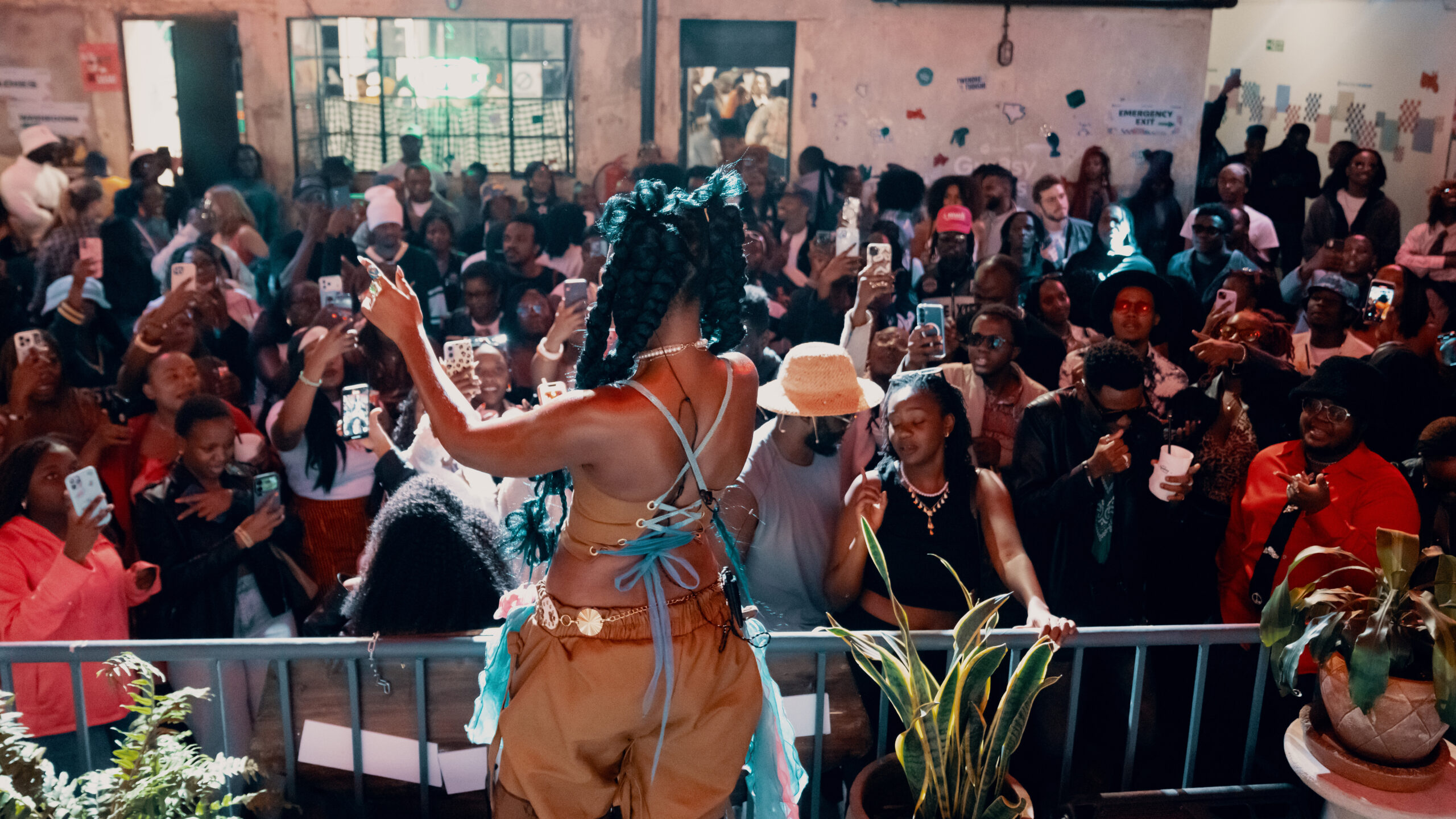
Nairobi does not really separate music from daily life. It plays through lunch breaks, studio sessions, Sunday plans, football nights, and gospel gatherings, threading through nearly every social moment in the city.
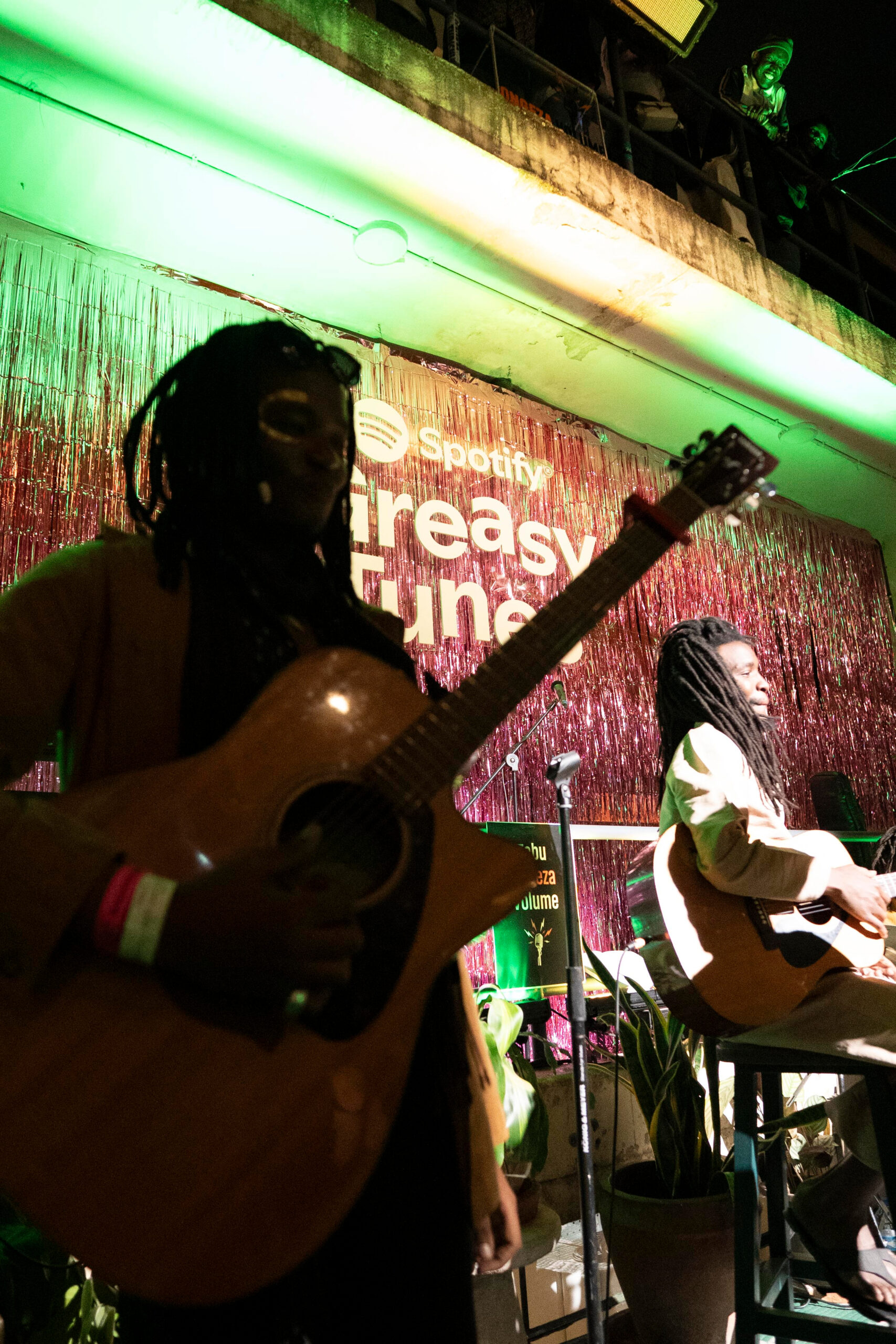
Spotify’s Greasy Tunes Nairobi, running from 15 to 26 July at Heltz House, took that everyday relationship with sound and gave it a physical home, turning two weeks of programming into one of the clearest snapshots yet of how young Kenyans actually experience music.
The platform’s own listening data shows Nairobi has become the most Gen Z driven streaming city on the continent, and Greasy Tunes was built to meet that audience where it already lives.
The data behind the celebration
Spotify’s June 2026 numbers put listeners aged 18 to 24 at 53.7% of all streams in Nairobi, easily the highest Gen Z share of the three African cities the company tracked closely that month. Lagos followed at 44.4%, and Johannesburg came in at 29.9%, a gap wide enough to reshape how Spotify thinks about the Kenyan market.
| City | Gen Z share of streams (ages 18 to 24) |
|---|---|
| Nairobi | 53.7% |
| Lagos | 44.4% |
| Johannesburg | 29.9% |
Nairobi’s listening also peaks early, at 6pm, with the evening wind down window between 6pm and 9pm accounting for 20.9% of daily listening among the city’s 18 to 24 audience, generating 25.3 million streams. Kenya has quietly built itself into the region’s third largest Spotify market behind Nigeria and South Africa, and Nairobi’s young, highly engaged listener base is a big reason why.
Agnes Opondo, Artists and Labels Partnerships Lead for Spotify East Africa, framed the festival as a direct response to that behaviour.
“Greasy Tunes brings the energy people experience on Spotify into a shared physical space,” she said, describing the programme as a reflection of how music already connects Nairobi’s young listeners, whether through food, conversation, creativity, or community.
Week One: food, fashion, and faith share a stage
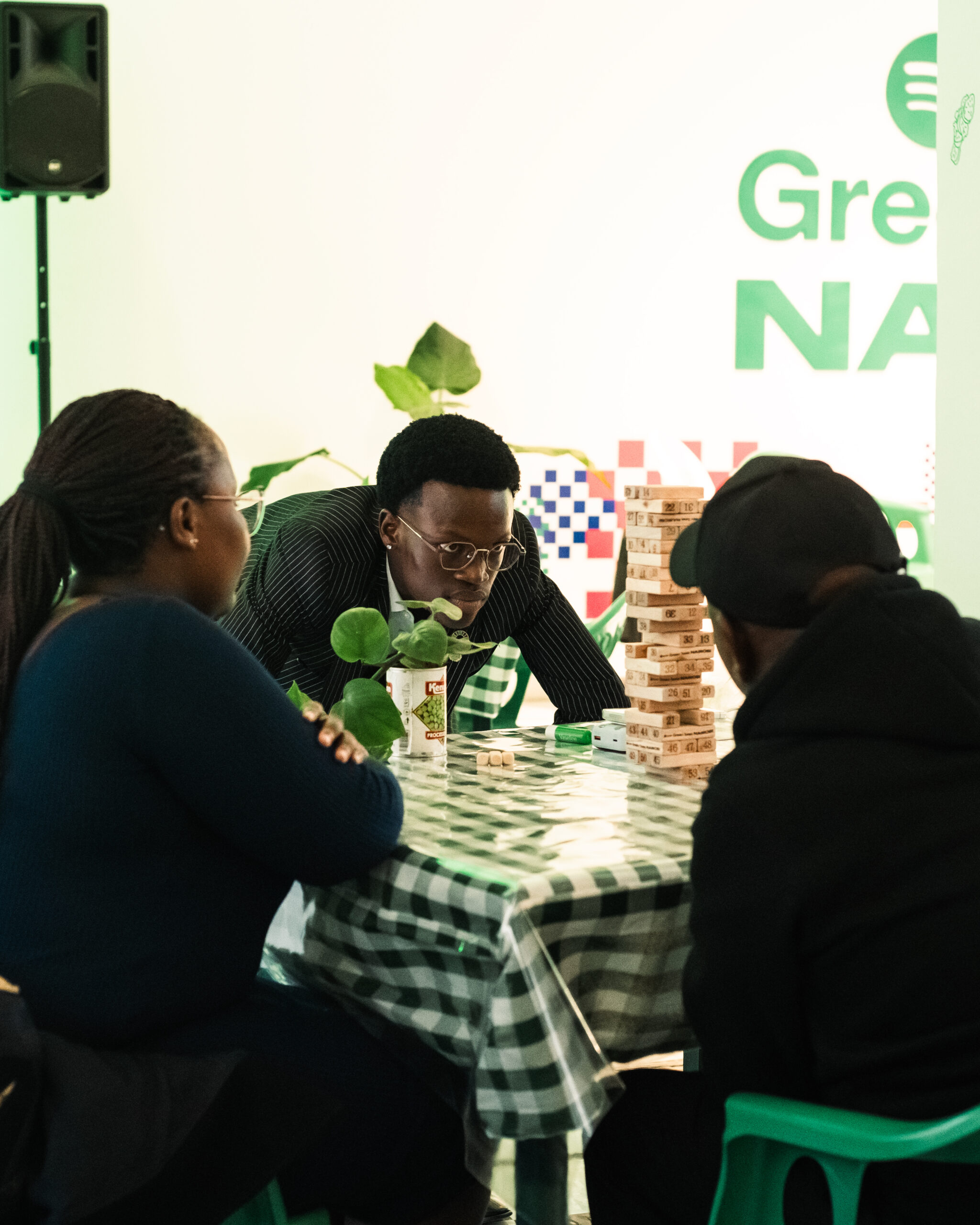
The opening week, themed Starters, tested that idea by pulling music into rooms built around other things entirely. The Greasy Tunes Café and Hotspot turned Heltz House into a daytime gathering point, while the Kitchen Opening Party with The BAG made an early statement: in Nairobi, food and music rarely operate as separate experiences.
Karibu Night, hosted by Studio 18, pushed that fusion further by pairing sound with fashion. Built around a Made in Kenya playlist showcase and an official festival jersey and scarf, the night placed hip hop and drill duo BURUKLYN BOYZ in the room, with the playlist’s cover art changing daily to spotlight artists tied to each event. Coster Ojwang took the cover on day three, ahead of The Fisherman’s Experience.
Podcasts got their own moment too, with a Culture Club recording featuring Eric Musyoka and The 30% Podcast underlining how much storytelling has become part of Kenya’s youth culture. Spotify’s own podcast data for listeners aged 18 to 24 places Arts, Society and Culture alongside Comedy among the leading categories in the country, which tracks closely with what Greasy Tunes chose to platform.
The week closed with Smocha Sundays, folding Bambika TV, The Gospel Hangout, and a football watch party into a single Sunday built around gathering rather than genre.
Week Two: The Mains expands the floor
Week Two, running from 20 to 26 July, pushed Greasy Tunes past music discovery and into wider creative territory. Gufy’s Room opened the week with poetry, music, and storytelling, introducing spoken word to a programme that had so far leaned heavily on performance and food.
From there, the lineup widened further: a premium fan event with Nyashinski, the EQUAL Workshop and Showcase with Ongeza Volume, a Standup Collective set, Fresh Finds and Nakili Sessions, a MIC Cheque podcast recording, a brunch with Citizen Digital, and a Strictly Soul closing party. Where Week One showed how music sits inside everyday ritual, Week Two showed how it fuels fan communities, comedy, and Nairobi’s nightlife.
Nairobi’s moment sits inside a much bigger African streaming story
Greasy Tunes is a local festival, but it landed at a moment when African streaming is growing faster than almost anywhere else in the world. Spotify’s Sub-Saharan Africa user base grew 28% year on year, well ahead of most other regions the company tracks. Afrobeats alone has passed 13 billion streams on the platform, and neighbouring South Africa’s music industry pulled in royalty growth of 28% year on year in Spotify’s latest Loud and Clear report, with Zulu language music up 37%.
| Regional signal | Figure |
|---|---|
| Sub-Saharan Africa Spotify user growth (YoY) | 28% |
| Afrobeats streams on Spotify (cumulative) | 13 billion+ |
| Kenya’s creative economy share of GDP | 5% to 5.6% |
| Kenya’s creative economy estimated value | $3 billion to $4 billion |
Spotify’s Managing Director for Sub-Saharan Africa, Jocelyne Muhutu-Remy, described the wider region’s momentum as proof that local artists have become a “globally dominant creative force,” a framing that applies just as easily to Kenya’s fast growing scene as it does to South Africa’s.
That growth is not just cultural. Kenya’s creative economy, spanning music, film, fashion, and digital content, now contributes an estimated 5% to 5.6% of national GDP, a sector valued at roughly $3 billion to $4 billion. Music and digital music make up a meaningful slice of that figure, and industry projections point to further growth through the rest of the decade as streaming and monetisation mature.
Why Greasy Tunes matters beyond the two weeks
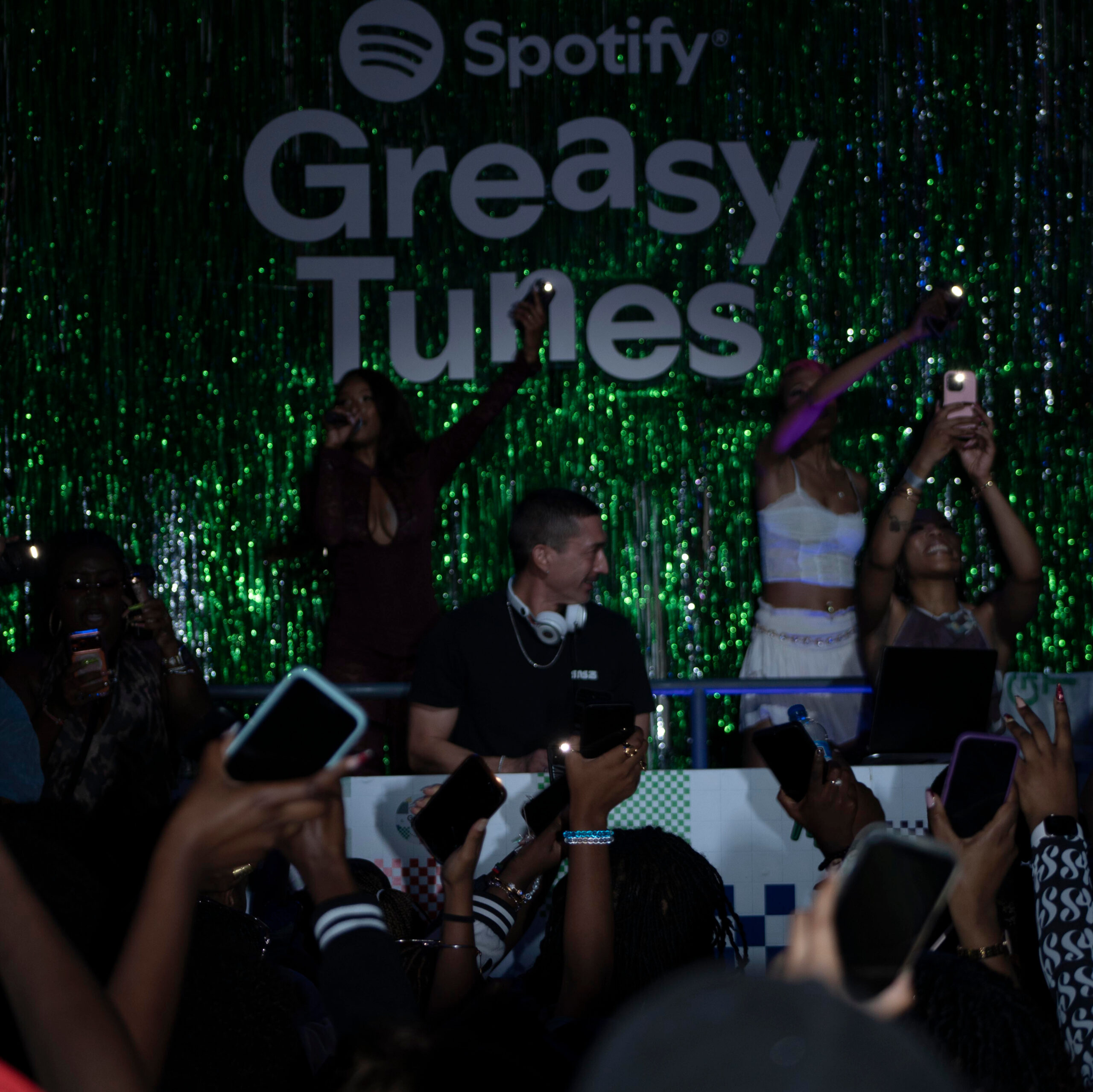
Seen against that backdrop, Greasy Tunes reads less like a one off event and more like a bet on where Kenya’s creative economy is heading. Spotify built a physical space around a listener base it already knows is young, engaged, and increasingly influential on the continent, then used the Made in Kenya playlist to keep that momentum going after the festival closed.
For Nairobi’s young listeners, the takeaway lines up with what the data has been saying for months. Music is not something they simply stream in the background. It shapes how they eat, dress, talk, worship, and build community, and increasingly, it is becoming one of the clearer signs of where Kenya’s broader creative economy is headed next.
