


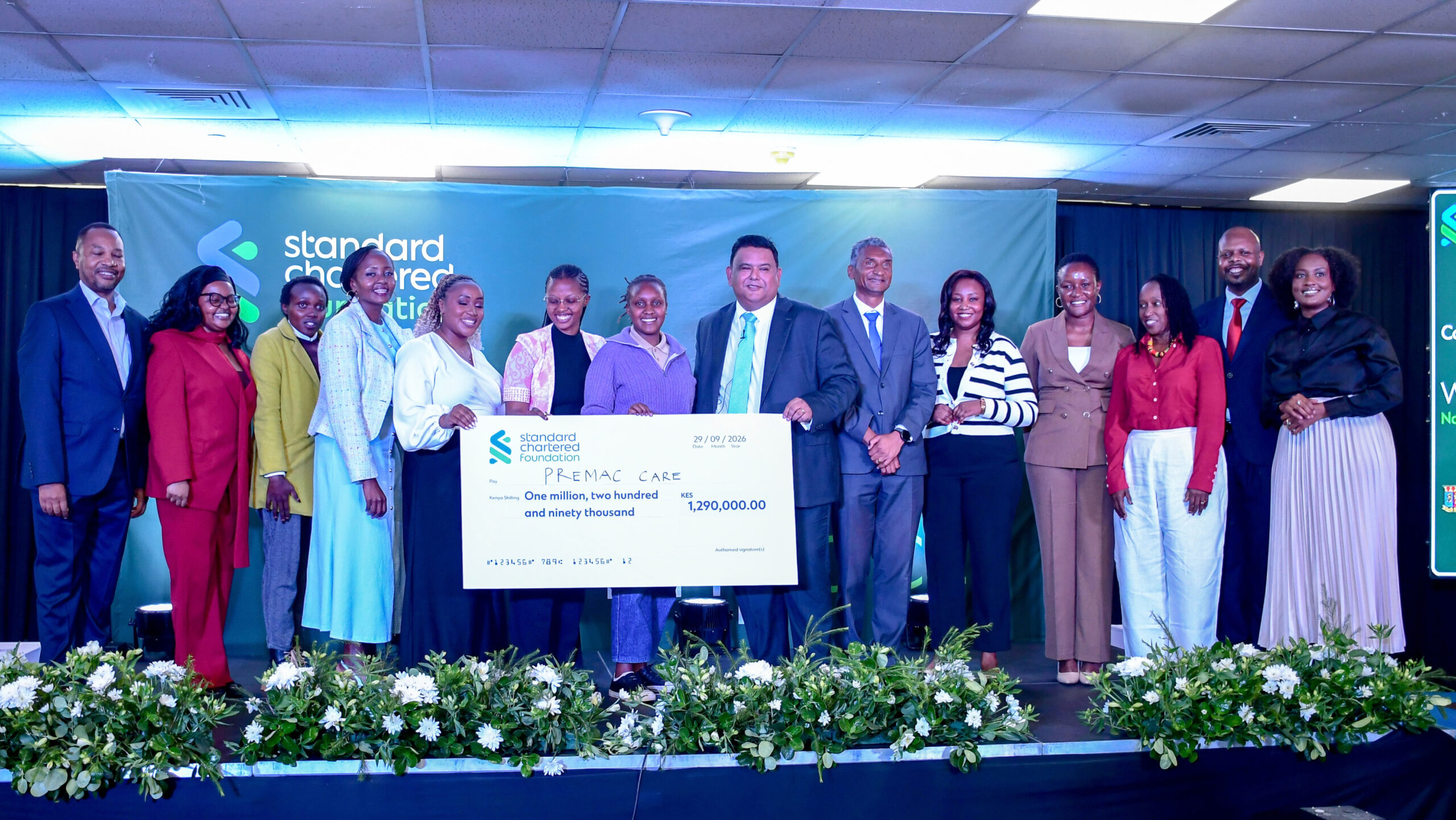
The Standard Chartered Foundation has awarded KES 9 million in grants to seven startups founded by women. The funds come through the Women in Tech Kenya Accelerator. The Foundation announced the winners on 29 September 2026 in Nairobi.
Each startup receives KES 1.29 million, about USD 10,000, for product development, business growth and expansion. Judges scored the applicants on business model, market opportunity, innovation, growth potential and social or economic impact.
The Foundation named the winners at the Cohort 9 Award Ceremony and Graduation at Standard Chartered in Nairobi. The event also marked the graduation of 15 founders from a 12 week programme run with Village Capital and @iBizAfrica at Strathmore University.
Participants received business development support, mentorship, investment readiness training and access to networks and funding. The cohort worked in agriculture, healthcare, financial inclusion, education, renewable energy and accessibility.
The award has grown since the last edition Khusoko covered. In 2024, seven of 15 Cohort 7 startups were set to receive KES 1.2 million each after the same 12-week format.
The seven winners
Health
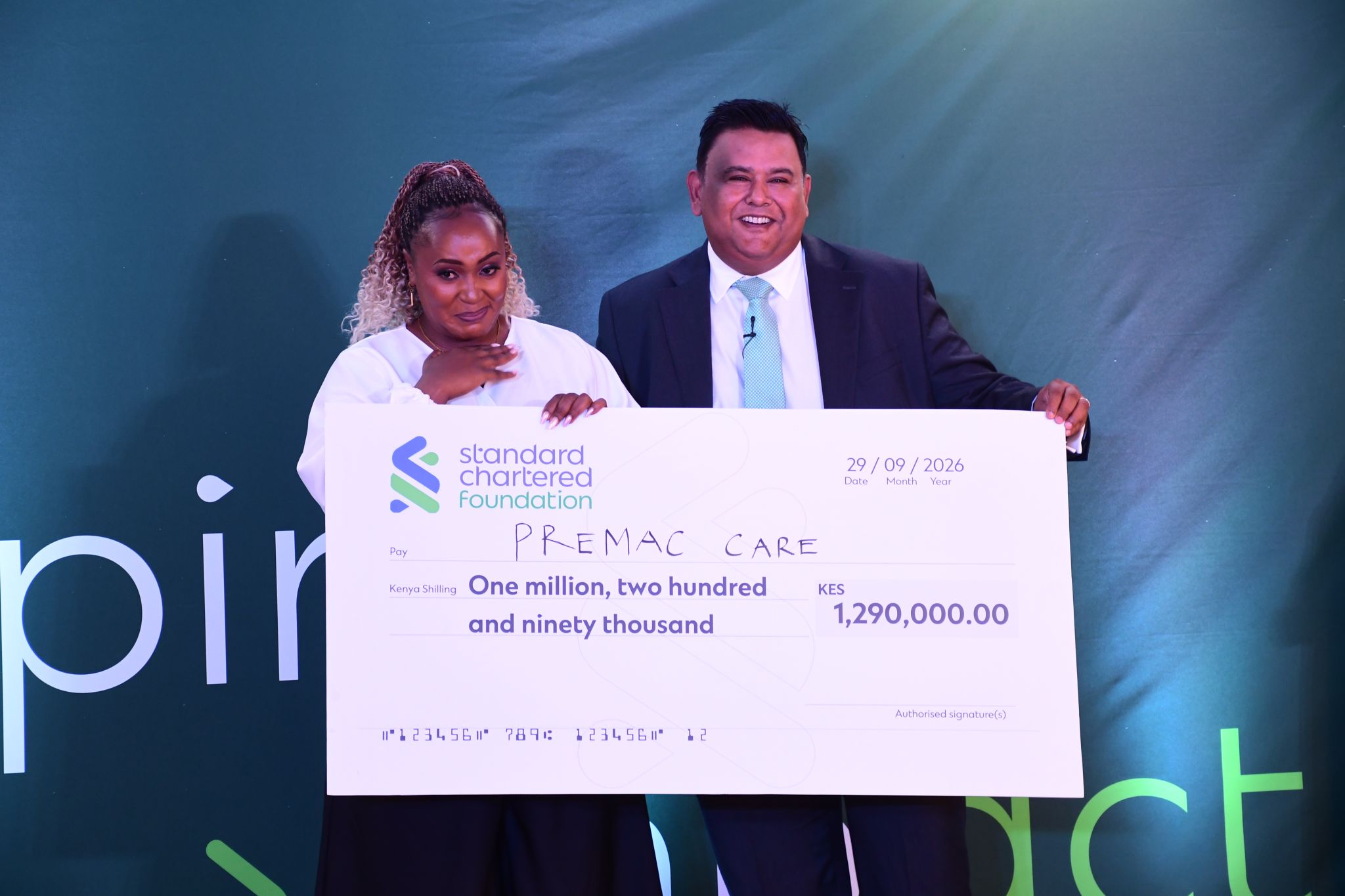
Jackline Murimi, founder of Premac Care. Premac Care connects families with trained healthcare professionals. Its services cover maternal and newborn care, recovery after hospital stays, elderly care and specialised nursing. Nurses deliver care at the patient’s home, which removes the cost and travel of a facility visit.
Murimi’s professional profile lists a background in business operations. Her experience covers operations management, project management, data analysis, business to business and business to consumer sales, and business development. She lists work in planning and running business strategy, opening new market channels, and managing sales teams against company targets. She also lists customer retention and negotiation.
Education
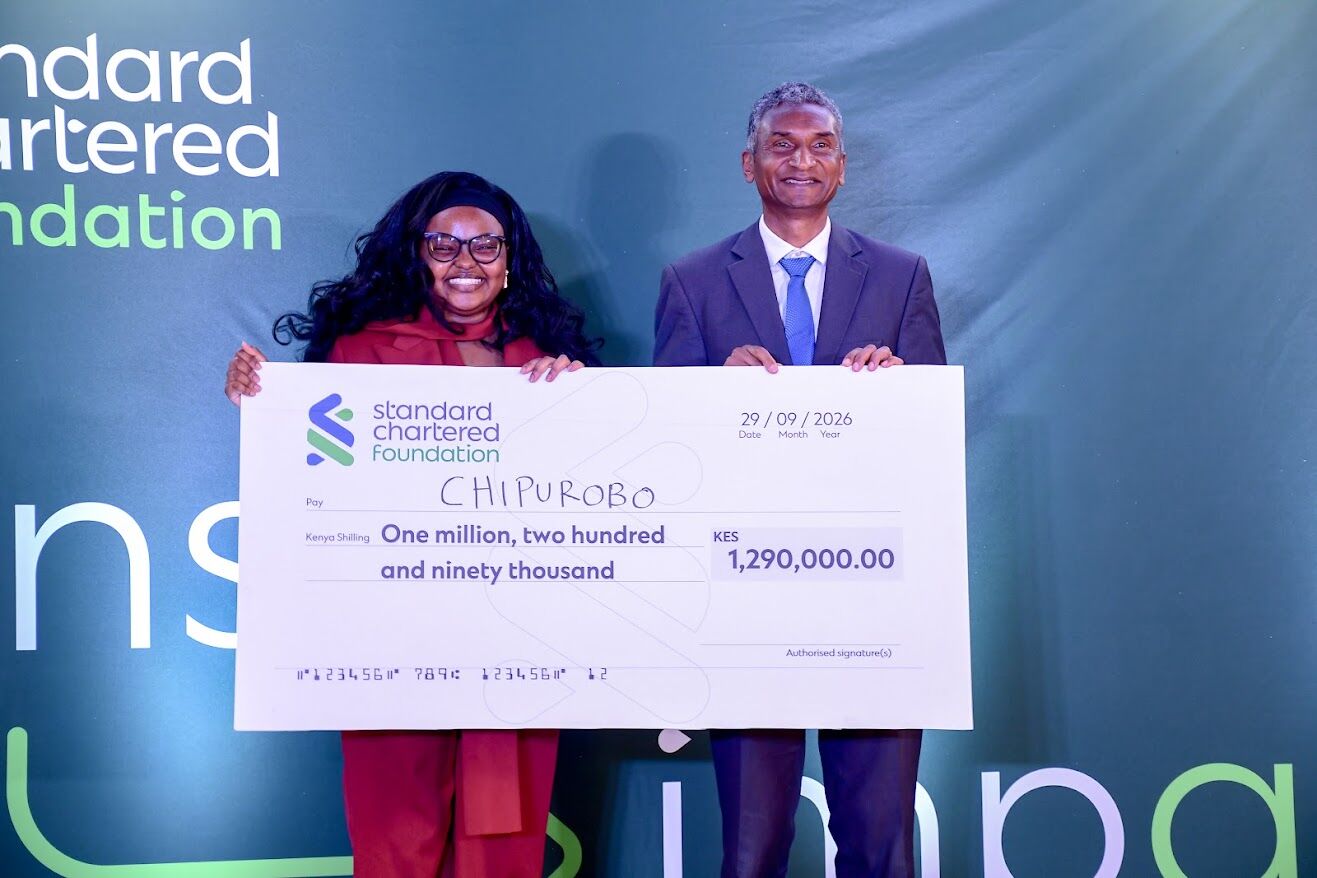
Cindy Gachuhi, cofounder of ChipuRobo Center. ChipuRobo teaches artificial intelligence and robotics to young people through practical lessons. Its robotics kits are fabricated in Kenya, so schools and families buy locally made equipment.
After the programme, Gachuhi thanked @iBizAfrica and the Cohort 9 founders in a LinkedIn post. She wrote that the accelerator “challenged me to think deeper” and let her see ChipuRobo “from new perspectives.” She said the founders shared knowledge freely and wanted each other to grow.
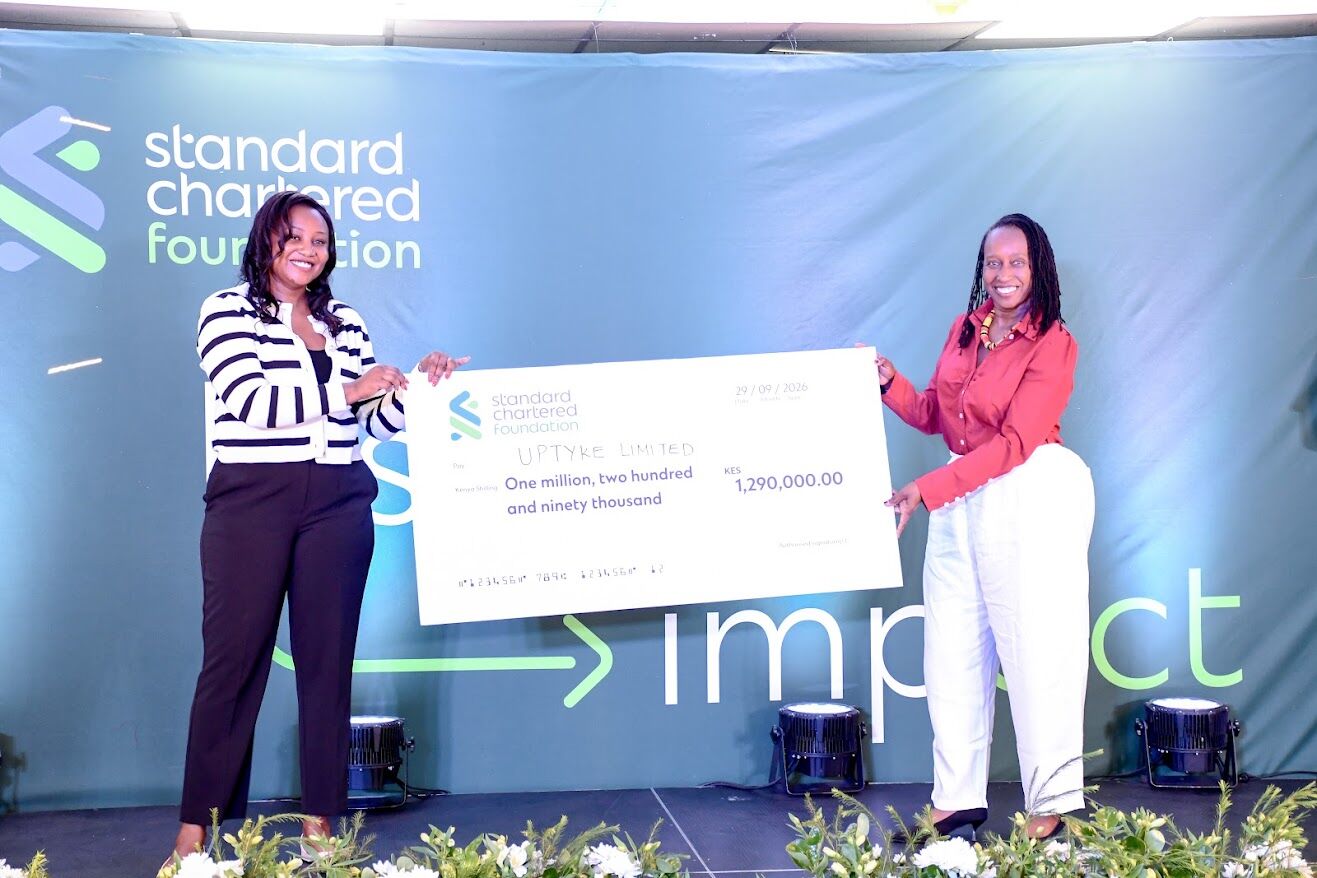
Lilian Mutegi, founder of Uptyke. Uptyke builds AI powered learning for learners with disabilities. Lessons use sign language, audio and interactive content.
Mutegi describes herself as an education technology specialist with more than 10 years of experience in Sub-Saharan Africa. She says her work covers foundational literacy and numeracy, digital learning and support for government run education systems.
She reports that Uptyke reaches more than 20,000 learners across more than 500 institutions. Her profile lists work on programmes funded by the Mastercard Foundation, the World Bank and the Global Partnership for Education, and curriculum aligned digital content deployed nationally.
Aquaculture
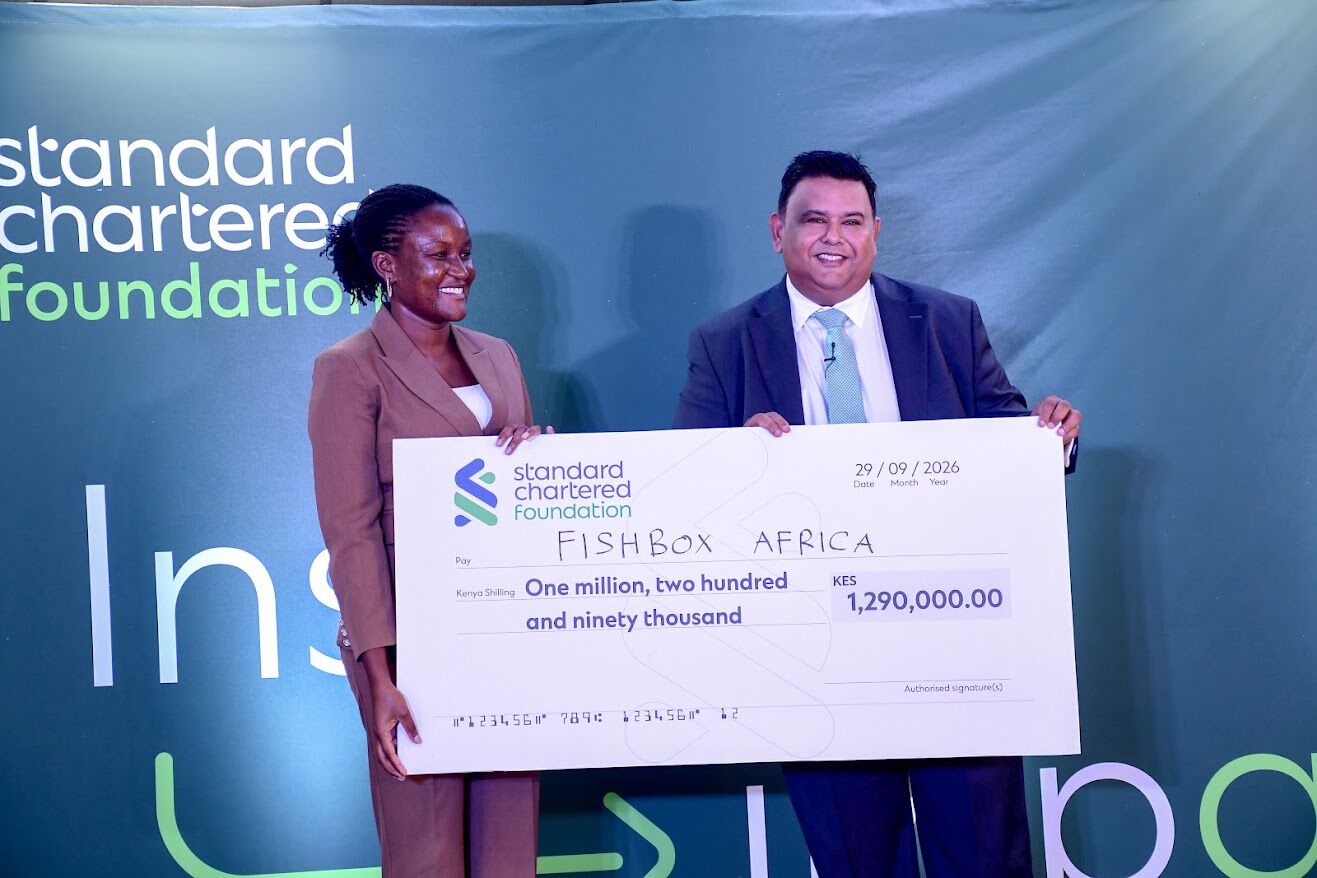
Madeleine Mung’ei, cofounder of FishBox Africa. FishBox Africa sells fish farm management tools. They include AI software and feeder devices connected through the internet of things. Feed is a main cost in fish farming, and the company says the tools raise yields, cut feed waste and lower production costs.
Mung’ei says the company’s mission is to connect people with real fish while supporting fish farmers. She says it addresses overfishing, environmental damage and social inequality in the fishery sector.
She describes the smart feeder as a tool for monitoring feed and dosing it with precision.
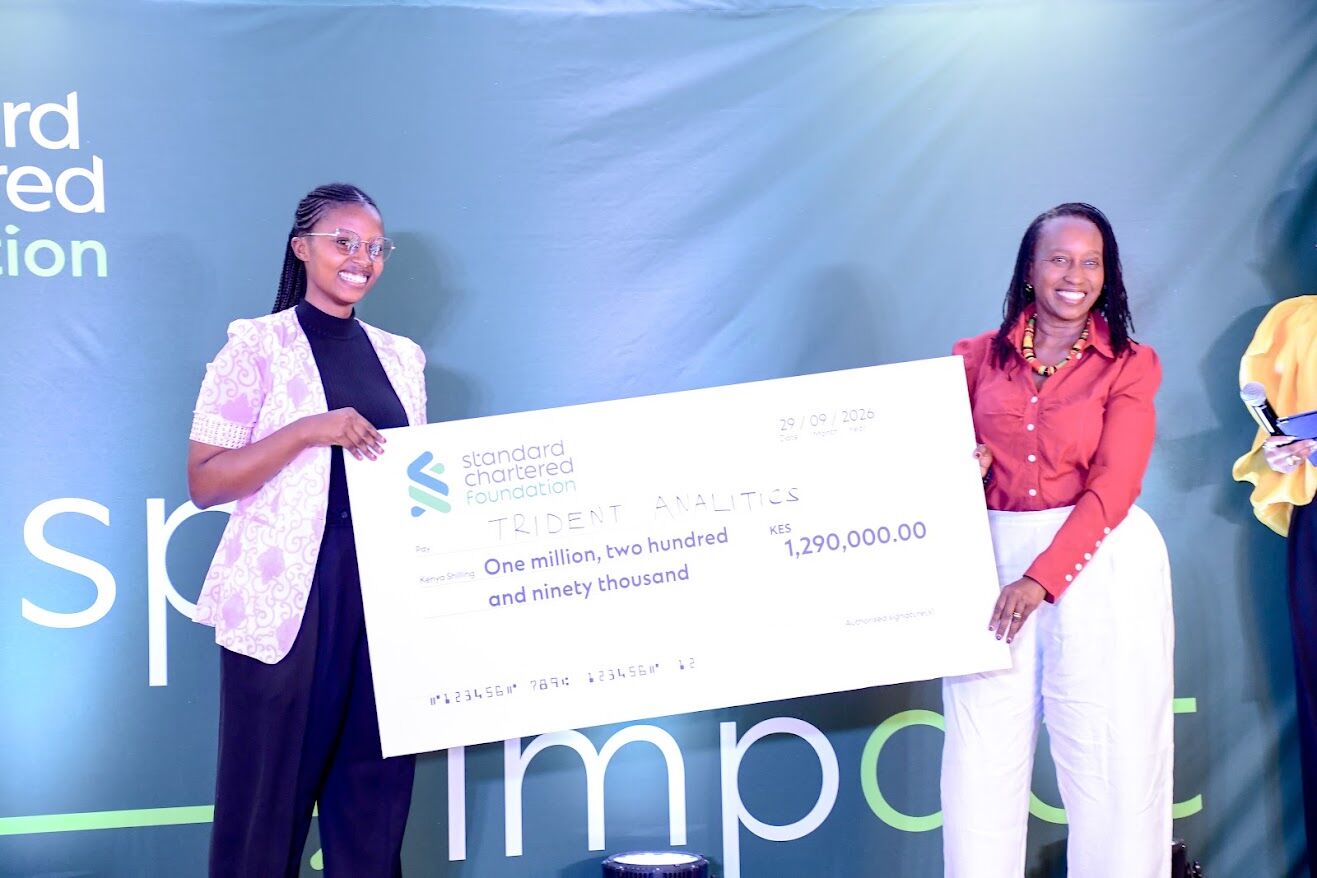
Elizabeth Gakinya, founder and chief executive of Trident Analytics. Trident Analytics uses internet of things devices, AI and digital tools. Smallholder fish farmers use them to monitor their farms, automate operations and reach markets.
Gakinya says her team applies data, AI and geospatial tools to problems in aquaculture, agriculture and climate resilience. She says the work aims to help grassroots communities build livelihoods on technology.
A Youth Advocacy Lead for the World Food Forum, Kenya Chapter, where she works on youth participation in agri-food policy. She is a Jim Leech Mastercard Foundation Fellowship Ambassador at Queen’s University, where she mentors entrepreneurs across Africa. She studied entrepreneurship at Queen’s University and engineering at Machakos University.
Agriculture
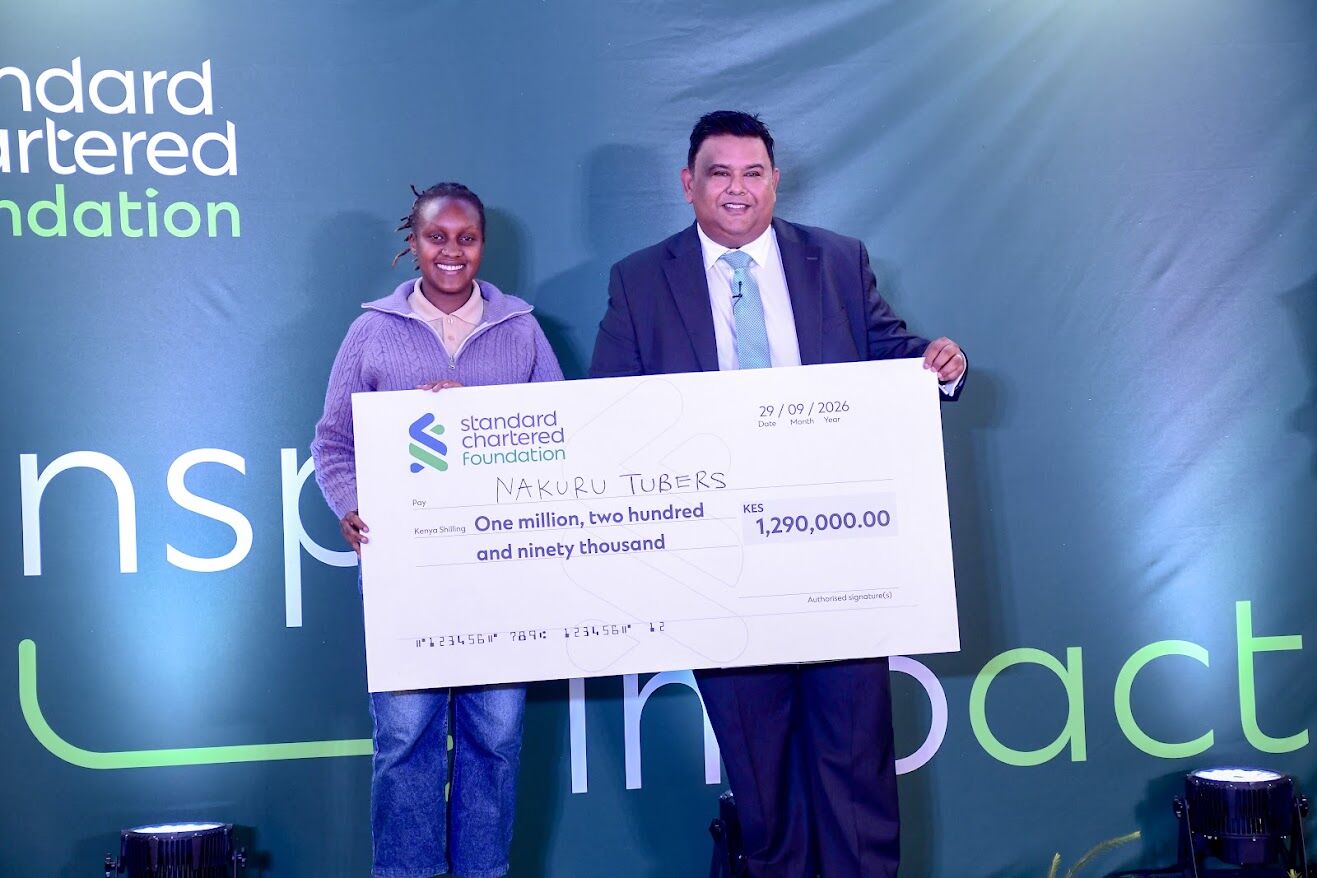
Winnie Wambugu, cofounder and managing director of Nakuru Tubers. Nakuru Tubers links smallholder farmers to verified agricultural inputs. It uses digital tools, demand matching and last mile distribution, which addresses the problem of farmers buying inputs of unknown quality.
Wambugu says the company works on the potato value chain with smallholder farmers, youth, women and indigenous groups. Its work includes:
- seed production through hydroponics and tissue culture
- climate resilient potato varieties
- storage units connected through the internet of things
- farmer training and agricultural advice through WhatsApp
- processed products such as potato flour
She trained in horticulture and seed research. In a LinkedIn post she said Nakuru Tubers went through three pitches and 15 finalists to reach the Top 7. She wrote that the company will use the grant to execute its plans, and thanked mentors Muriithi Njogu and Mike Mbari, CFA.
Her profile lists recognitions including the WFP Ignite Seed programme in 2023, the Aiducation International 1000 Young Entrepreneurs award in 2025, Prototypes for Humanity by the Dubai Future Foundation, a Top 30 place in the IFC Impact Investment Challenge, and the Vital Voices 2024 cohort. Her post ties the work to food security and reduced post-harvest losses.
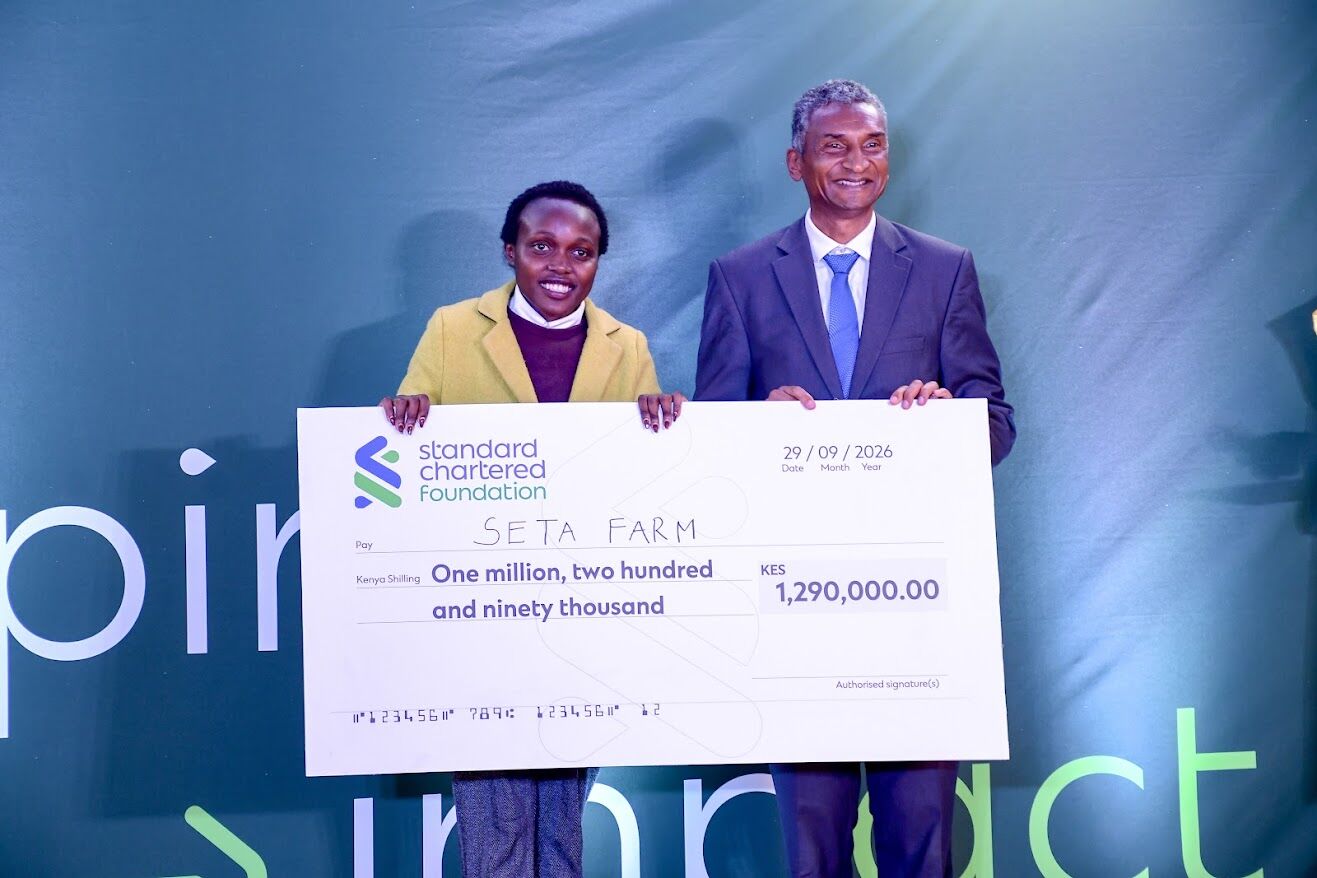
Christine Njuguna, founder of Seta Farm Limited. Seta Farm grows mushrooms from organic waste in a circular production model. A decentralised network of producers gives women and young people a source of income.
Njuguna holds a horticulture degree from Jomo Kenyatta University of Agriculture and Technology. The company grows oyster and button mushrooms.
It also makes dried mushroom powder, which extends shelf life and reduces post harvest losses. It works with smallholder farmers under an out grower model. Farmers receive training, grow kits and links to buyers. The company was an East African finalist in the 2026 FNF Afri GreenPitch Challenge.
What the programme has delivered
Birju Sanghrajka, Chief Executive Officer and Head of Coverage at Standard Chartered Kenya, said the seven winners “are tackling different challenges, united by an ambition to grow and create impact.” He said the programme supplies skills, networks and support as well as capital.
Dr Vincent Ogutu, Vice-Chancellor of Strathmore University, said the programme began in Kenya as a partnership between Strathmore, Standard Chartered and Village Capital, and has since reached 13 countries.
Since it launched in Kenya in 2017, the programme has supported 107 startups founded by women and awarded more than KES 51.5 million. In 2024, Khusoko reported that the programme had trained 64 startups and given more than KES 40 million in seed funding to 32 of them over six cohorts.
Globally, the accelerator runs in 14 Standard Chartered markets across Africa, the Middle East, Asia and the US, and has supported more than 4,000 entrepreneurs.
Read all of Khusoko’s coverage in the Women in Tech Kenya archive.
