


Administrators have started marketing the assets of Koko Networks, the clean‑cooking startup founded in 2013, marking the first major step toward winding down the company after its collapse in January.
Koko filed for administration on the brink of bankruptcy on February 1 after Kenyan authorities refused it a Letter of Approval to sell carbon credits in the lucrative compliance markets, the foundation of the startup’s business model.
The sale advances Koko’s insolvency process after the company shut down operations and laid off more than 700 employees when the Kenyan government declined to approve the authorisation needed to unlock carbon credit revenues.
Why the Carbon Credit Rejection Sank the Business
Koko’s collapse traces back to a single regulatory decision. Kenyan authorities argued that the World Bank backed startup would have exhausted the country’s share of the compliance carbon markets, mandatory and government regulated markets that target high emission industries working to meet legal limits, unlike voluntary carbon schemes. Without that approval, Koko lost the revenue stream that had subsidised ethanol fuel prices for over a million households using its smart cooking system.
The damage reached beyond Kenya. Koko’s UK parent marked down intangible assets worth £1.32 million tied to its intellectual property portfolio, which covers patents across Kenya, India, Nigeria, and South Africa for its liquid fuel delivery and usage systems. Company directors maintained that the Kenyan unit was the sole supplier of carbon credits to the UK entity, so losing the licence collapsed the group’s entire revenue model.
What Buyers Are Being Asked to Acquire
Administrators are seeking buyers capable of transactions exceeding $15 million, a threshold that signals a preference for a strategic sale of the whole business rather than a breakup of individual assets.
An insolvency notice invites expressions of interest by July 17, today’s deadline, for Koko’s integrated ethanol cooking technology and manufacturing platform. PwC, which oversees the administration of Koko Networks Limited, is expected to shortlist bidders once submissions close.
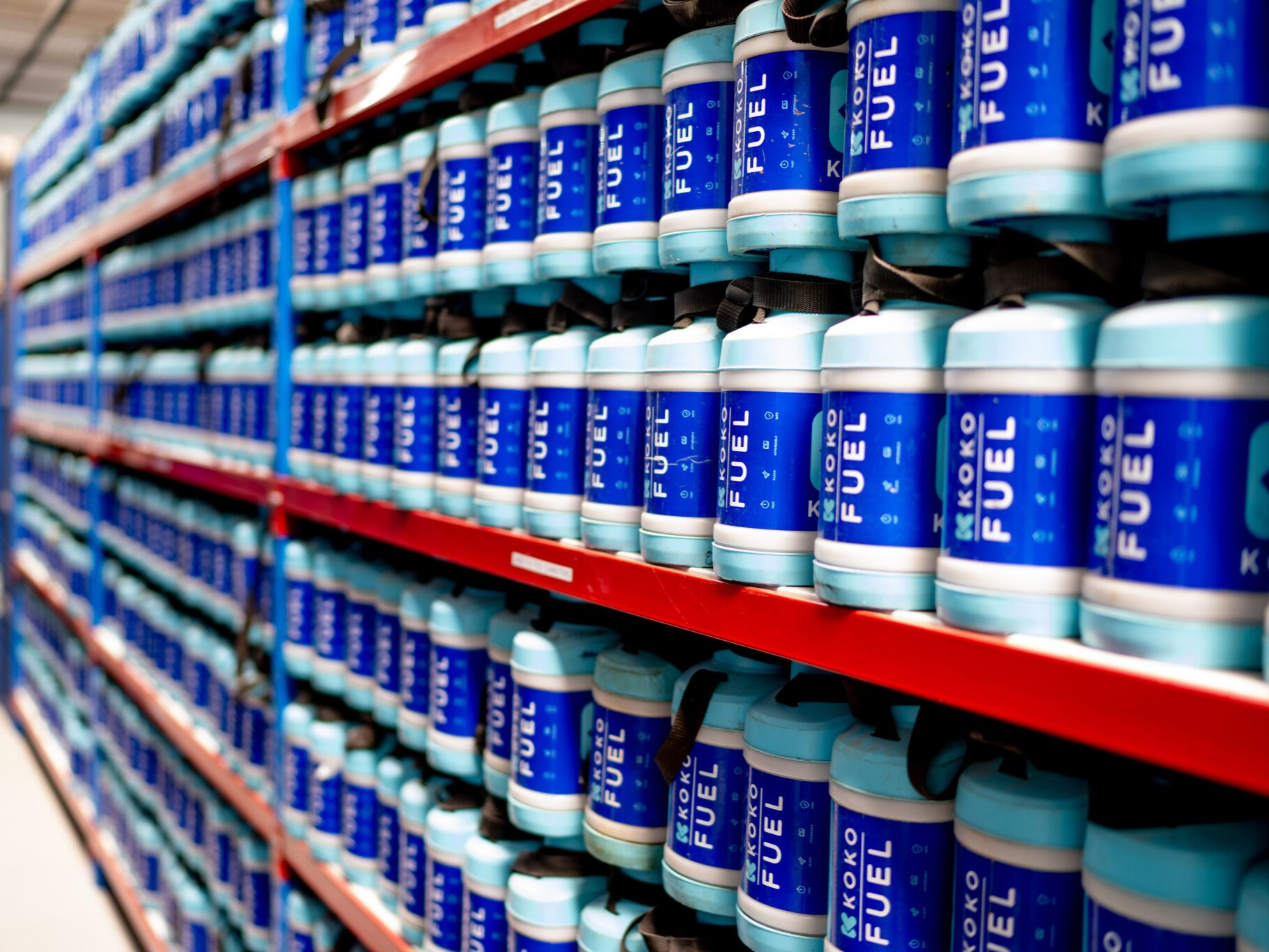
The assets fall into three categories. The first covers Koko’s ethanol cooking intellectual property, including the patents and designs behind its stoves, canisters, and supporting software. The package also includes the company’s stove and canister manufacturing plant in Sanand, Gujarat, India, along with the fuel distribution and retail platform that once supported more than 3,000 automated fuel stations across Kenya.
Rajeev Basgeet, the appointed administrator working out of PwC’s Mauritius office, oversees Koko Networks Limited, while the two Indian arms, Saarus Innovations Private Limited and Koko Networks Private Limited, are going through voluntary liquidation instead, handled by liquidator Nidhi Poddar with support from PwC’s corporate business services team in India.
Prospective buyers must demonstrate the financial capacity to complete deals exceeding the $15 million threshold before administrators release detailed sale documents.
Who Gets Paid First
The asset sale now underway focuses on creditor recovery rather than reviving the business, and secured lenders that financed against Koko’s assets are expected to hold priority claims over any proceeds. That structure matters for the roughly 700 workers who lost jobs at shutdown and for investors who backed a venture that, over its lifetime, raised more than $100 million to build what it described as a carbon financed clean cooking utility for low income households in Kenya.
Founded in 2013 by Gregg Murray, Koko drew undisclosed equity and debt from investors including Microsoft’s Climate Innovation Fund, Mirova, Verod-Kepple, and Rand Merchant Bank. The World Bank’s Multilateral Investment Guarantee Agency also backed the business with a $179.6 million guarantee, underlining how much institutional confidence the model once commanded before a single policy decision unraveled it.
A Warning for Africa’s Carbon Financed Ventures
Koko’s downfall illustrates the risk of anchoring an energy business to one policy dependent revenue stream. The company had customers, factories, fuel stations, and proven technology, yet the price households paid for fuel depended entirely on carbon credit income. When the government approval needed to sell those credits never arrived, Koko could no longer fund the subsidy that made its fuel affordable in the first place.
The fallout extends past shareholders and employees. Households that relied on Koko’s system may now shift back to charcoal or paraffin, reversing years of progress toward cleaner cooking. The episode also raises harder questions for climate finance projects across the continent.
Carbon income can make clean energy affordable for low income users, but any project built on it stays exposed to shifts in regulation, carbon accounting rules, and buyer demand. A strategic buyer could still put Koko’s technology and distribution network to use, though doing so would require either a new revenue model or a fresh path to carbon market approvals, the very obstacle that brought the original business down.
