



Uber Technologies has agreed to acquire Delivery Hero SE in a deal valued at 14.8 billion dollars, extending its global delivery footprint into 50 markets that include Glovo Kenya.
The agreement, announced in Berlin on July 16, 2026, brings together Uber’s mobility network with Delivery Hero’s collection of local delivery brands, among them foodpanda, talabat, HungerStation and PedidosYa.
Under the terms of the deal, Uber will pay Delivery Hero shareholders 41.50 euros per share in cash, valuing the company at a fully diluted equity figure of 13 billion euros. That price sits roughly 127 percent above Delivery Hero’s unaffected three month average share price before May 8, 2026, and about 34 percent above its three month average ahead of Thursday’s announcement.
The 50 markets Uber will acquire generated 42 billion dollars in gross bookings last year, spanning brands from Baedal Minjok in South Korea to Glovo across multiple countries and PedidosYa throughout Latin America.
Kenya Moves Into Uber’s Delivery Network
Glovo entered Kenya as part of a wider East African push and now becomes one of the dozens of country businesses Uber will fold into its own delivery platform. The local business will keep running on the technology and operations backbone that already supports Delivery Hero, meaning the platform, logistics engine and data systems that power the brand today carry over unchanged. Local teams keep the market knowledge and delivery speed that make them competitive, now paired with shared technology built at a larger scale.
Kenya sits alongside markets such as Italy, Nigeria, Morocco, Uganda and Ukraine in the Uber portion of the deal. Together these 17 Glovo markets, along with the rest of Delivery Hero‘s brands moving to Uber, cover a combined footprint that dwarfs the 14 markets set aside for a separate buyer.

A Second Buyer Steps In to Clear Regulatory Hurdles
Delivery Hero has struck a separate agreement with SSW Partners, a New York investment firm known for cross border deals, to acquire its operations in 14 markets where Uber Eats already competes directly with Delivery Hero brands. That agreement carries a price tag of approximately 1.4 billion euros and covers foodora in Austria, Czechia, Norway and Sweden, Glovo in Poland, Portugal, Romania, Moldova and Spain, PedidosYa in Chile and Ecuador, and Yemeksepeti in Türkiye. These markets generated 11 billion euros in gross merchandise value in 2025, a fraction of the 42 billion dollars flowing through the businesses headed to Uber.
Carving out these overlapping markets ahead of closing gives regulators less reason to block the wider deal, since Uber Eats and Delivery Hero would otherwise compete head to head in each one. SSW Partners plans to find new owners for these businesses after the transaction closes. Josh Steiner and Antonio Weiss of SSW Partners said they intend to support management so the businesses continue growing, investing in people and delivering strong service to customers.
Executives Frame the Deal as a Scale Play
Uber chief executive Dara Khosrowshahi pointed to the scale of what Delivery Hero has built. He said Delivery Hero’s team had built an extraordinary business, with beloved local brands and strong positions across some of the fastest growing delivery markets in the world. He added that bringing the platforms together would extend affordable delivery to millions more people while creating opportunities for merchants and couriers.
Delivery Hero’s leadership framed the move as a response to the sheer difficulty of competing globally from a European base. Kristin Skogen Lund, Chair of the Delivery Hero Supervisory Board, said the food delivery business is highly competitive and scale dependent, and that joining forces with a strong partner gives the company its best path to secure future competitiveness. She added that the Supervisory Board has stayed closely involved throughout the process and backs the transaction in full.
What Happens Next
The deal still needs to clear customary conditions, including completion of the Uber takeover offer itself. Once finalized, it will grow Uber’s combined mobility and delivery footprint to 99 countries, with pro forma gross merchandise value of 236 billion dollars across 2025.
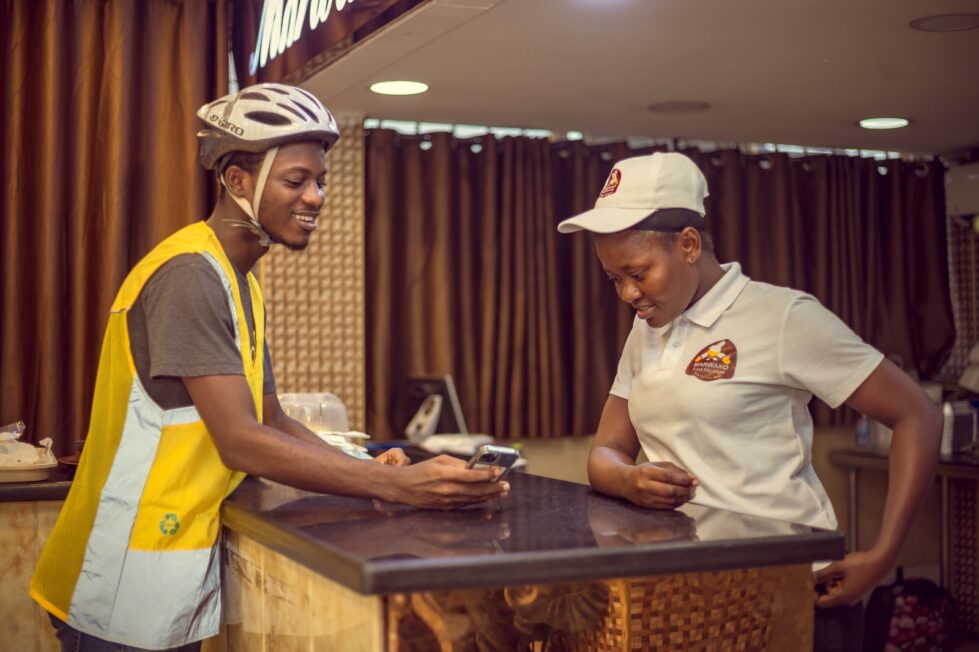
For Kenyan consumers and Glovo’s local workforce, the message from both companies is one of continuity rather than disruption, the same app, the same riders, the same restaurants, now running under a bigger corporate parent with deeper resources behind it. Whether that scale translates into better prices, faster delivery or simply a new name on the invoice will become clear only once the deal closes and Uber begins integrating the business into its wider network.
