


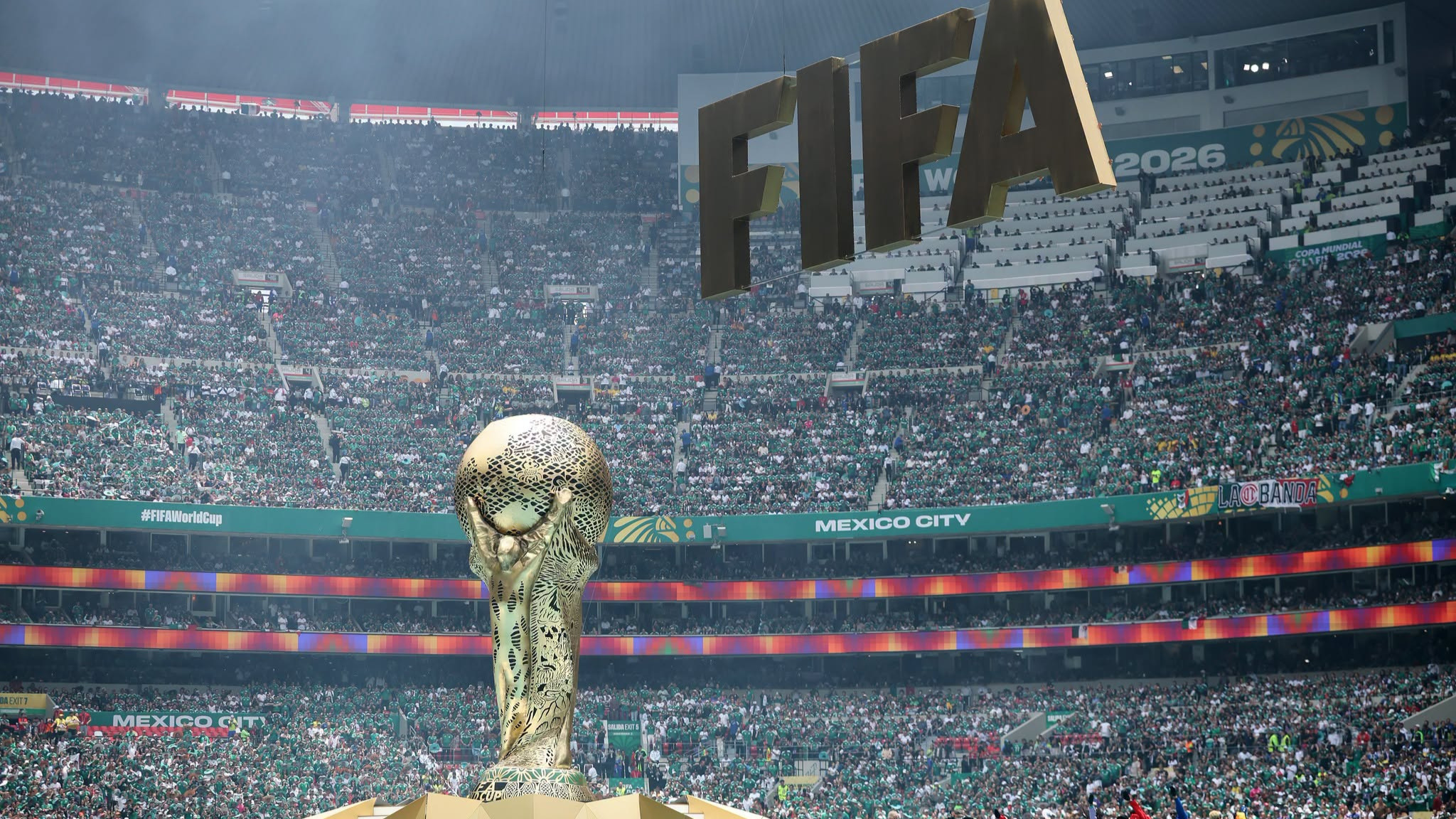
When the whistle blew to open the 2026 FIFA World Cup on June 11, it did more than mark the start of 104 matches across 39 days in the United States, Mexico, and Canada. I
n Kenya, it signalled something rarer in pay television: a reversal of strategy by a company that had spent three years pricing itself out of its own market.
DStv, now owned by French media conglomerate Canal+ following its KES 280.7 billion acquisition of MultiChoice Africa completed in September 2025, arrived at this World Cup with its back against the wall. The numbers tell a story that no amount of marketing can soften.
|
The Depth of the Crisis
Between June 2024 and March 2026 — less than two years — DStv lost more than 80 percent of its active subscribers in Kenya. The platform that once defined aspirational television in Nairobi’s middle-class estates went from 1.19 million active users to 248,053. Its sibling service GOtv, designed for the mass market, shed 2.38 million subscribers in the 2025 calendar year alone, falling from 2.82 million to 405,013.
The latest data from the Communications Authority of Kenya (CA), covering January to March 2026, confirms the bleeding has not stopped. Kenya’s entire pay-TV market contracted by 85,177 subscriptions — a 5.1 percent quarterly drop — bringing the total active base down to 1.58 million. DStv accounted for 22,450 of those lost subscriptions, an 8.3 percent fall in three months. GOtv shed a further 35,362. Combined, MultiChoice’s two Kenya brands lost 57,812 customers in a single quarter, the highest absolute loss of any operator in the period.
Kenya Pay-TV Market — Q1 2026 Subscriber Snapshot
| Operator | Q1 2026 Subs | QoQ Change | Trend |
| DStv (MultiChoice) | 248,053 | -8.3% (-22,450) | ↓ Declining |
| GOtv (MultiChoice) | 405,013 | -8.0% (-35,362) | ↓ Declining |
| StarTimes | 681,170 | +0.4% (+2,724) | ↑ Growing |
| Azam TV | 36,031 | +5.3% (+1,798) | ↑ Growing |
| Zuku (Wananchi) | 204,509 | -13.5% (-31,848) | ↓ Declining |
| TOTAL MARKET | 1,577,339 | -5.1% (-85,177) | ↓ Contracting |
Source: Communications Authority of Kenya, Q1 2026. Compiled by Khusoko.
The irony is sharp. The two operators that grew — StarTimes (+0.4%) and Azam TV (+5.3%) — sit at the cheapest end of the market. The data makes a simple argument: Kenyan households are not leaving television. They are leaving expensive television.
DStv raised its subscription prices at least five times in three years. The Premium package climbed to KES 11,700 per month; Compact Plus to KES 7,300; and even the mid-range Compact to KES 4,200. Each hike was framed as a response to revenue pressure. Each hike accelerated the subscriber exit that created that pressure in the first place.
Canal+’s Pivot: The World Cup as Reset Button
Canal+, which listed on the Johannesburg Stock Exchange on June 3, 2026 as the first French company to do so, has committed €100 million to a MultiChoice turnaround announced in March 2026. The strategy centres on three levers: lower entry price points, simpler packages, and bundled streaming.
The World Cup is the most visible and most expensive expression of that pivot. For the first time in DStv’s history in Kenya, all 104 World Cup matches are available across every subscription tier — from Access at KES 1,450 to Premium at KES 11,700 — at no extra cost and without requiring an upgrade. SuperSport, which holds pan-African broadcast rights for the tournament, runs four dedicated 24-hour World Cup channels with commentary in English, Swahili, Portuguese, and Pidgin.
Alongside the content move, DStv cut hardware prices. The cheapest entry point into the ecosystem for a new subscriber is now KES 599 for a decoder plus KES 1,450 for one month of the Access package. This matters because decoder cost has historically been a barrier for first-time subscribers in Kenya’s peri-urban and rural markets.
DStv also launched its “Open Time” promotion for June 2026, automatically upgrading paying subscribers to higher bouquets at no extra cost for the entire month — a direct incentive to stay connected and maintain active status through the tournament.
DStv Kenya — Package Pricing & World Cup Access
| Package | Monthly Price | World Cup Access | World Cup Change |
| Access | KES 1,450 | All 104 matches ✔ | NEW – never before |
| Family | KES 2,500 | All 104 matches ✔ | NEW – never before |
| Compact | KES 4,200 | All 104 matches ✔ | Previously partial |
| Compact Plus | KES 7,300 | All 104 matches ✔ | Previously partial |
| Premium | KES 11,700 | All 104 matches ✔ | Always had access |
Source: DStv Kenya, May 2026. Compiled by Khusoko.
|
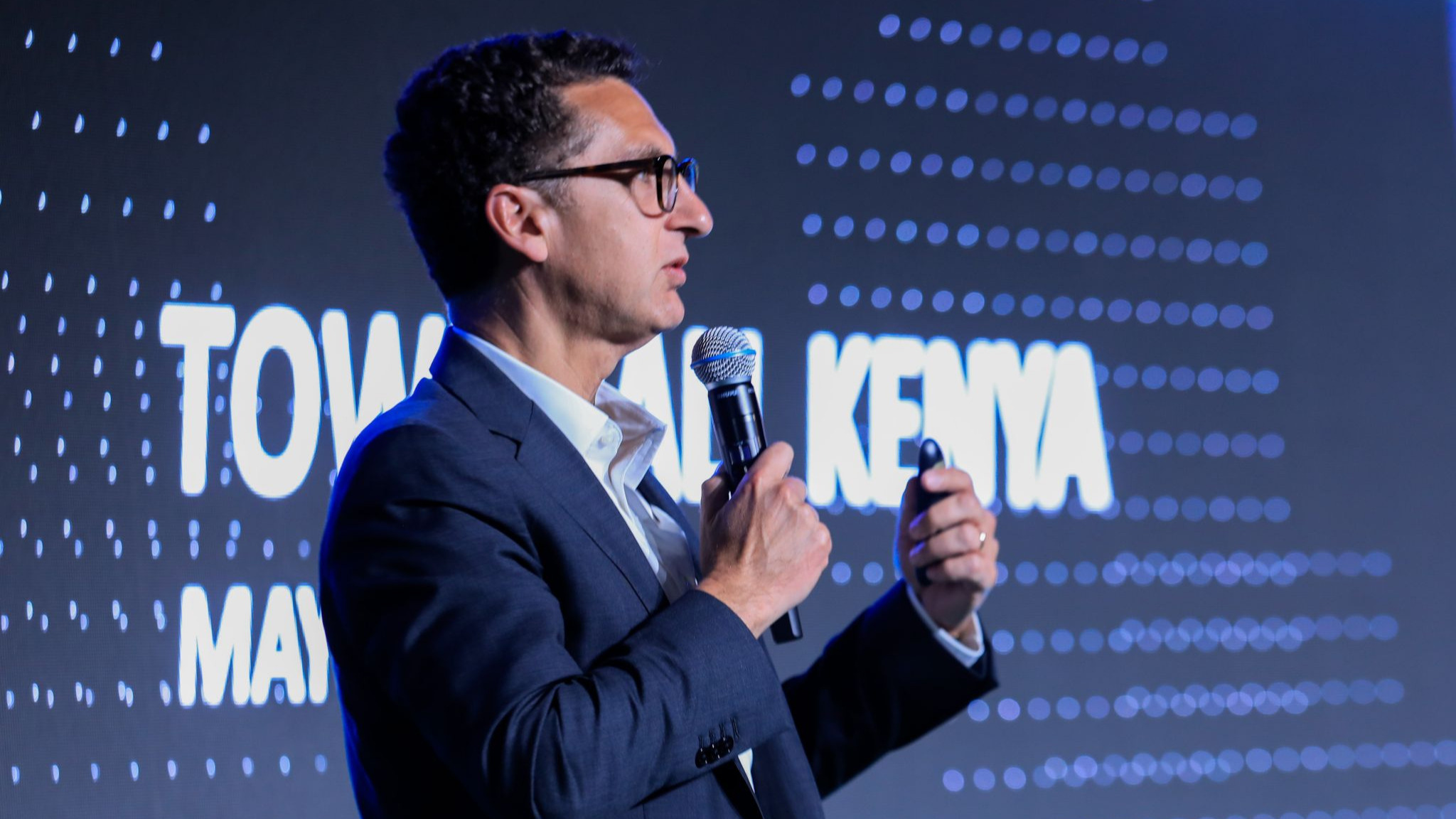
Canal+ Group CEO Maxime Saada has gone further, flagging plans for a content super-app that would unify Canal+, DStv, GOtv and Showmax content and potentially bundle Netflix, Apple TV+, HBO Max and Paramount+ at discounted rates — a model that already operates in Canal+’s European markets. The closure of Showmax on April 30, 2026, after years of losses, saw its original content absorbed into DStv Stream, consolidating rather than fragmenting the digital offering.
The Timing Problem: Late Nights and a Sleeping Market
There is a structural challenge that Canal+’s marketing cannot fully resolve. The 2026 World Cup is hosted across the United States, Mexico, and Canada — time zones that put most matches firmly in Kenya’s late evening and early morning hours. The earliest kick-offs land around 10 PM East African Time; others run past 3 AM.
Canal+’s advertising agency BETC has leaned into this with the SuperSport campaign “Sleep Can Wait,” the first collaboration between BETC and a MultiChoice Group brand. The campaign acknowledges what most broadcasters would prefer to ignore: that geography is working against viewership. The question is whether branding acknowledgement translates to sustained subscriptions once the tournament ends.
For Kenyan businesses — hospitality venues, sports bars, retail electronics outlets, and data providers — the late-night schedule creates both an opportunity and a planning challenge. Venues that capitalise on communal viewing will draw audiences that household satellite dishes cannot. Data bundles sold for late-night streaming will spike. Productivity conversations in offices and workplaces will follow.
The Competitive Landscape: DStv Is Not Alone
DStv’s World Cup strategy is being shaped in a market that is now more competitive than at any previous tournament. Azam TV, the Tanzanian broadcaster, has secured exclusive East Africa broadcast rights for all 104 matches — a direct challenge to SuperSport’s traditional dominance in the region. Azam’s decoder-only entry cost of KES 1,000 undercuts DStv’s lowest hardware option significantly.
StarTimes, now Kenya’s largest pay-TV operator by active subscriptions at 681,170, grew modestly through the same quarter that DStv shed tens of thousands of subscribers. Both StarTimes and Azam are absorbing customers from a shrinking MultiChoice base, and the World Cup gives both platforms an opportunity to convert casual viewers into long-term subscribers.
KBC, the national broadcaster, has secured government-funded free-to-air rights for selected matches — a late deal that brings the tournament to households with no pay-TV subscription at all. FIFA itself has authorised official broadcasters to stream selected match content free on YouTube for the first time, a precedent that will reshape rights conversations for future tournaments.
Kenya World Cup 2026 — Broadcast Landscape Comparison
| Platform | Type | Matches (Kenya) | Pricing |
| DStv/SuperSport | Satellite/Stream | All 104 matches | KES 1,450–KES 11,700/mo |
| GOtv/SuperSport | Terrestrial | All 104 matches | Affordable tier |
| Azam TV | Satellite | All 104 matches | Decoder from KES 1,000 |
| KBC Channel 1 | Free-to-Air | Selected matches | Free |
| FIFA+ / YouTube | Online/Streaming | Selected content | Free |
Source: Platform announcements, CA Kenya, Khusoko research, June 2026.
What the Numbers Still Do Not Show
The CA data covering January to March 2026 captures a period before Canal+’s most significant interventions landed. The frozen price hike, the decoder price cuts, the Open Time promotion, and the World Cup access expansion all took effect from May and June 2026. Their impact will appear in the Q2 2026 CA report, due later this year.
That makes the current moment a genuine inflection point, not a confirmed recovery. The structural forces driving subscribers away — rising mobile internet penetration (Kenya’s broadband subscriptions grew 32.9 percent in 2025), the proliferation of streaming alternatives, and the entrenched habits of younger Kenyans who grew up on TikTok and YouTube rather than satellite dishes — have not reversed. Canal+ is lowering the cost of staying. It is not yet clear it has changed the underlying value calculation.
At the group level, MultiChoice ended its latest financial year with 14.4 million subscribers across Africa, down from 14.9 million — a loss of roughly 500,000 customers. Group revenue fell from €2.54 billion to €2.4 billion, and adjusted operating profit dropped 14 percent to €159 million. Canal+’s combined platform, serving more than 42 million subscribers across 70-plus countries and generating approximately €8.7 billion in revenue, places it among the largest pay-TV operators outside the United States — but scale at the group level does not automatically translate to market share recovery in Nairobi.
|
The Business Intelligence Angle
For Khusoko’s readership — East African business professionals, investors, entrepreneurs, and policymakers — the DStv-World Cup story is a case study in corporate strategic adaptation under market pressure. Several threads are worth tracking through July 2026 and beyond.
First, whether the Canal+ turnaround model — which has precedent in European markets but not in Africa’s price-sensitive, mobile-first environment — translates to subscriber recovery in Kenya’s specific conditions.
Second, whether Azam TV’s aggressive rights acquisition and low hardware pricing represents a sustainable challenge to SuperSport’s pan-African position, or a temporary opportunistic play.
Third, how the fragmentation of broadcast rights and the entry of free YouTube streaming will reshape advertising rates, rights valuations, and media buying decisions across the East African market.
For brands and advertisers, the World Cup creates a rare concentrated audience moment in a media landscape that is otherwise fragmenting rapidly. The question is which platforms — and which audiences within those platforms — will deliver the engagement that justifies the spend.
Khusoko Verdict
| DStv has made the right calls ahead of this World Cup. Removing the tier barrier for the tournament, cutting hardware prices, freezing annual hikes, and layering in the Open Time upgrade promotion are coherent, coordinated moves. Canal+ has read its Kenyan market clearly.
But the World Cup lasts 39 days. The structural challenge — a younger, mobile-first audience that perceives pay-TV as poor value against streaming alternatives, piracy, and free-to-air — will return on July 20. The test of Canal+’s strategy is not whether it sells decoders in June. It is whether those new subscribers renew in August. For now, Kenya’s business community has a front-row seat to one of the most consequential corporate turnaround attempts in the East African media sector in a decade. The scoreline, in subscribers and in shillings, will be clearer by year end. |
