


More than 666 million people worldwide still live without electricity. Sub-Saharan Africa carries the heaviest share of that burden.
Of the 20 countries with the widest electricity access deficits recorded in 2023, 18 sit in the region, according to the International Energy Agency’s Tracking SDG 7: The Energy Progress Report 2025.
Without a significant change in pace, the IEA warns that universal energy access by 2030 will remain out of reach.
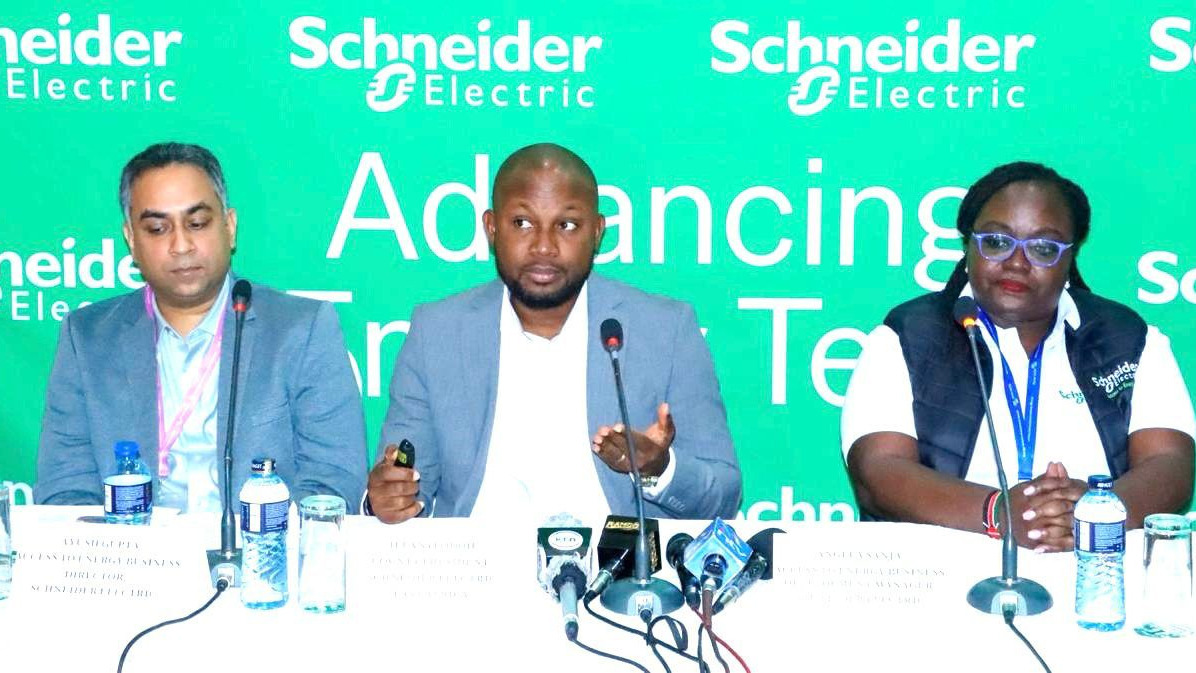
Schneider Electric used the Alliance for Rural Electrification (ARE) Energy Access Investment Forum 2026 in Nairobi to restate its position on that challenge and to show the solutions it believes can close the gap.
Energy Democracy as a Framework for Inclusion
Schneider Electric’s argument at ARE EAIF 2026 rested on a specific idea: that the path to closing the access deficit runs through communities, not just infrastructure. The company described this as “energy democracy”, a shift away from centralised power systems toward distributed, community-led solutions that keep economic value local.
The energy trilemma of access, affordability and reliability has long defined the challenge facing Sub-Saharan Africa. Schneider Electric’s position is that decentralised renewable energy, particularly mini-grids and off-grid solar, offers the most direct route to resolving all three at once, especially for remote and underserved populations.
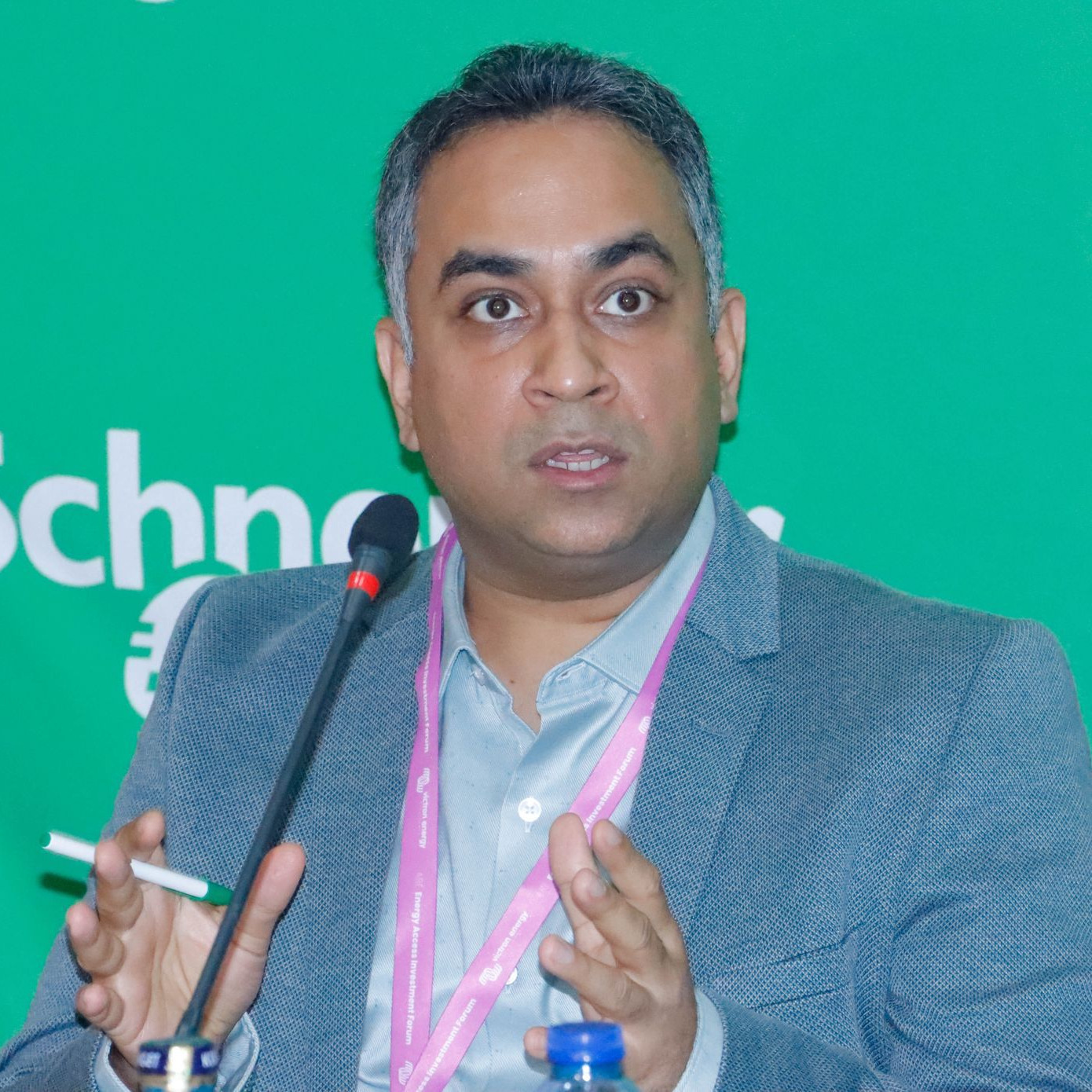
“Access to energy must go hand in hand with strengthening human capacity and fostering local entrepreneurship,” said Ayush Gupta, Director of Global Strategy and Business for Anglophone Africa, Access to Energy at Schneider Electric. “Since 2009, we have integrated clean electricity access with vocational training, support for local entrepreneurs, and impact investing, ensuring that communities gain not only reliable energy, but also economic opportunities and long-term self-reliance to power progress.”
The company has reached 61.7 million people with clean electricity to date, supported 11,000 entrepreneurs across 60 countries and empowered more than one million people through its programmes. Its stated target is 100 million beneficiaries by 2030.
Solutions Designed for Last-Mile Communities
Across the four-day forum, Schneider Electric presented two solutions with direct relevance to Sub-Saharan Africa’s energy access challenge.
The Homaya Advanced Solar Solution delivers reliable clean electricity to last-mile communities, including healthcare facilities, schools and micro-entrepreneurs. Digital monitoring through the EcoStruxure Energy Access platform supports long-term reliability, keeps essential services running and creates conditions for sustainable economic activity at the local level.
The Altivar Solar ATV320 takes a different angle. It powers water pumping through solar energy, expanding access to clean water and enabling sustainable irrigation in off-grid or limited-energy regions. The system automatically adjusts pump performance to match available solar output, contributing to stronger agricultural yields, improved food security and better public health outcomes. Together, the two solutions address the interconnected needs of communities where energy, water and livelihoods cannot be separated.
The Climate Smart Village: A Model That Proves the Concept
The most concrete evidence Schneider Electric brought to ARE EAIF 2026 came from Jharkhand, India, where its Climate Smart Village model has been running in the villages of Sehal and Chatti. An integrated solar energy system of approximately 85 kilowatts now powers lighting, irrigation, agricultural processing, public services and local businesses across both communities.
The results over four years are measurable. Farmers moved into higher-value crops and intensified cultivation, doubling household incomes. Seasonal migration fell as economic opportunities grew locally. Women’s participation in economic activities expanded. The programme delivers an estimated annual reduction of 60,000 kilograms of carbon emissions.
Schneider Electric presented this model not as a finished product but as a transferable approach — one built around local realities, digital tools and community engagement that can be adapted for Sub-Saharan Africa’s own conditions.
“Access to clean and reliable electricity can transform communities by unlocking economic opportunity and strengthening resilience,” said Ifeanyi Odoh, Country President of Schneider Electric East Africa. “Realising this potential requires solutions rooted in local realities and supported by strong technical expertise and partnerships. Through the Climate Smart Village solution, decentralised renewable energy connects energy access with social progress and climate resilience — helping communities across Sub-Saharan Africa build a more sustainable future.”
The Scale of the Work Ahead
The IEA’s data makes the urgency plain. Sub-Saharan Africa cannot wait for grid extension to reach every community. The region needs solutions that move faster, cost less and work where centralised infrastructure does not reach.
Schneider Electric’s presence at ARE EAIF 2026 reflected a company that has moved from making commitments to presenting evidence. The Climate Smart Village model, the Homaya solar solution and the Altivar water pumping system represent a portfolio built around the specific conditions of communities that the formal energy system has consistently failed to serve. Whether that portfolio scales fast enough to meet the 2030 deadline is the question the entire sector is now racing to answer.
