


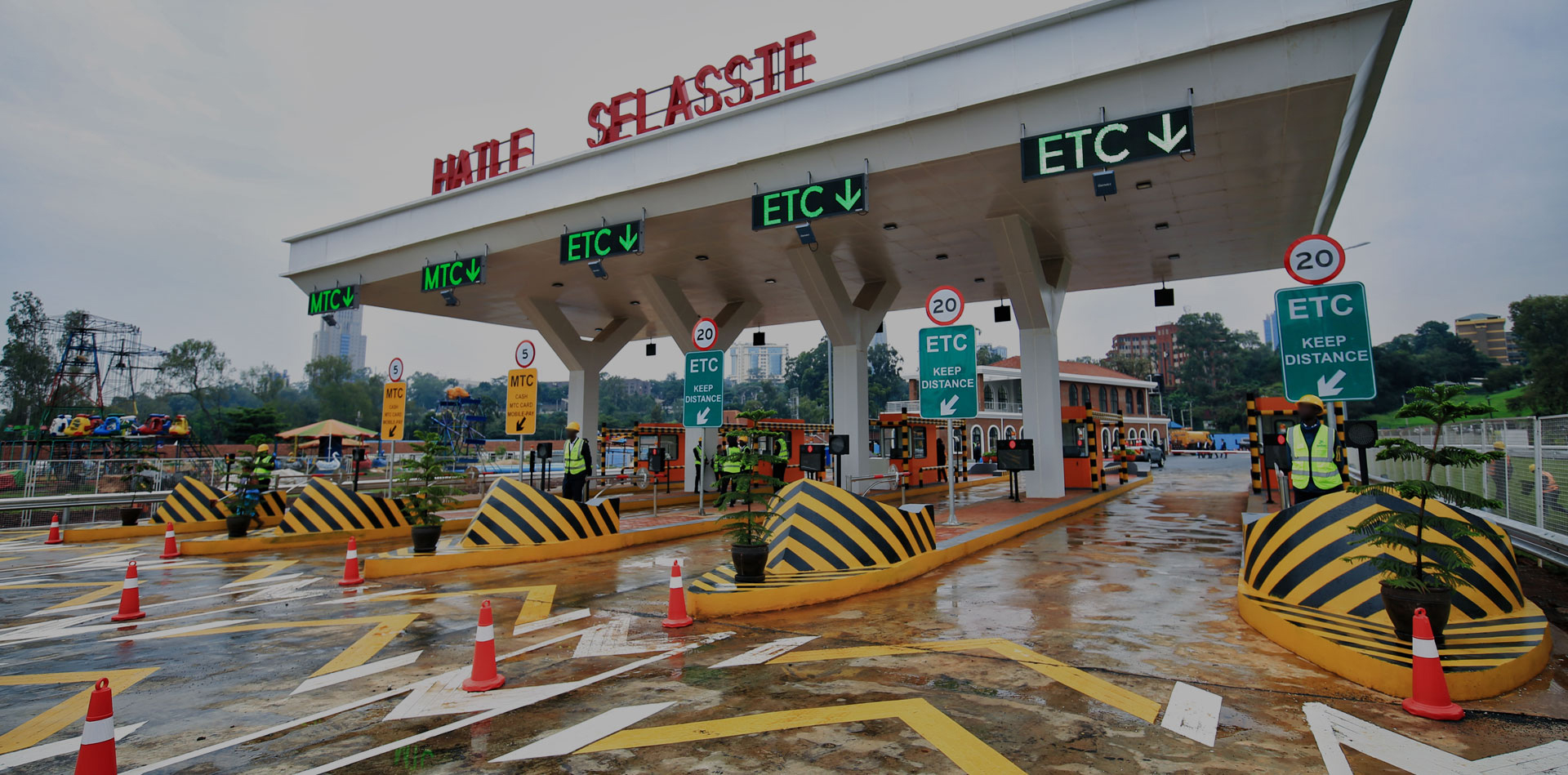
The Nairobi Expressway loss reached KSh 5.10 billion (US$39.5 million) in 2025, according to the National Treasury’s fifth annual report on public private partnerships.
Moja Expressway Company Limited, the operator, collected KSh 9.63 billion (US$74.6 million) in revenue. It booked KSh 14.73 billion (US$114.1 million) under direct costs, the expense line in the report’s accounts.
Moja is a local subsidiary of China Road and Bridge Corporation (CRBC), the state owned Chinese firm that built the 27 kilometre toll road. Figures are as of 21 November 2026, converted at KSh 129.05 per US dollar, the 20 November close.
Costs outran toll revenue by KSh 5.10 billion
The gap widened from the KSh 1.2 billion loss recorded for the period to June 2024. That period showed KSh 4.6 billion in receipts against KSh 5.8 billion in spending.
The Treasury report gives no reason for the 2025 loss. It does not say whether the KSh 14.73 billion line includes interest or depreciation, the accounting charge for wear on assets. Readers cannot yet tell how much of the cost comes from running the road and how much from repaying lenders.
Traffic grew through 2025, but toll rates are missing from the report
Quarterly traffic rose from 7.21 million vehicles in the first quarter to 7.36 million in the fourth, the report says. Monthly traffic peaked at 2,555,531 in March 2026.
The report publishes no toll rates, so revenue per trip cannot be calculated from it. Motorists pay between KSh 170 and KSh 500 per trip, depending on vehicle class and distance. Tariffs have not changed since 2024.
Tolls stayed fixed while the shilling gained against the dollar
The tariff rests on an exchange rate of KSh 143.75 per dollar and an inflation benchmark of 6.85 per cent. The shilling now trades near KSh 130. The Ministry of Transport has not lowered charges.
Under the concession agreement, the Cabinet Secretary may cut rates when inflation falls and the shilling strengthens. A concession is the state’s grant of the right to build and run a road. Holding the tariff gave the operator a cushion and kept its deficit from growing larger.
The state would owe KSh 87.58 billion if the concession ended early

Treasury Cabinet Secretary John Mbadi said in a television interview this week that the road carries no direct financial risk to the budget. He said Moja runs the project largely on its own, as the PPP model intends. A public private partnership (PPP) is a deal in which a private firm builds and runs public works.
The operating loss therefore sits with Moja. The termination clause sits with the state. The report puts the state’s early termination payment, the sum owed if the contract ended early, at KSh 87.58 billion (US$679 million) in June 2026.
For comparison, the Treasury puts the project cost at US$667.8 million, or KSh 86.8 billion.
The 12 commercially closed PPP projects in the report carry termination payments of KSh 400.34 billion (US$3.10 billion) combined. At the World Bank recommended 6 per cent probability, the maximum contingent liability is KSh 24 billion (US$186 million). A contingent liability is a sum the state may owe, depending on future events. That figure covers the whole programme, not the Expressway alone.
The build ran from Mlolongo along Mombasa Road, Uhuru Highway and Waiyaki Way
The road has four and six lane dual carriageways, 11 toll plazas and interchanges. KeNHA, the state roads agency, awarded it under a 30 year concession. It follows a design, finance, build, operate, maintain and transfer model, and the asset reverts to the state at the end.
Commercial close, when the contract was agreed, came on 15 October 2019. Financial close, when funding was secured, followed on 9 December 2021. Operations began on 14 May 2022.
Treasury officials point to shorter urban travel times and rising property values along the corridor. The report supplies no figures on either.
Ndii says debt lowers a project’s cost of capital
On Saturday 21 November, David Ndii, head of the Presidential Council of Economic Advisors, answered a journalist who asked why sweeping, lighting and toll booth work cost so much. He said debt costs 5 per cent to 10 per cent a year, while investors’ equity costs 15 per cent to 20 per cent. The more debt a project carries, the lower its cost of capital.
“An infrastructure project typically has a 30/70 equity-to-debt ratio,” Ndii said.
He added that such projects produce cash only in their first 10 to 15 years, and lenders take most of it. Investors earn returns later, so projects need patient equity such as pension funds. His answer explains financing costs. It does not explain the KSh 14.73 billion direct costs line.
The Rironi to Mau Summit road will test the same model
The state is leaning on toll concessions to build transport links without adding external borrowing. The next project is a 210 kilometre highway from Rironi through Nakuru to Mau Summit, valued at KSh 182.72 billion.
CRBC, the National Social Security Fund (NSSF), Kenya’s state pension scheme, and Shandong Hi Speed Road and Bridge International Engineering would build and run it under a 30 year toll concession. A parliamentary committee on social protection backed the plan on 16 November.
The PPP Act was revised in 2021 to draw institutional investors into state projects. The PPP programme listed 54 projects at various stages as of June 2026.
Questions on audit and cost remain open
On 8 December 2022, Kimani Ichung’wah, then Majority Leader of the National Assembly, asked for an audit of the contract. He also asked Moja to disclose its daily revenue. The report names no date for a review by the Auditor-General or by Parliament.
Until the Treasury explains the direct costs line, the 2025 loss figure rests on one unexplained number. The state’s KSh 87.58 billion termination commitment stays on its books.
