


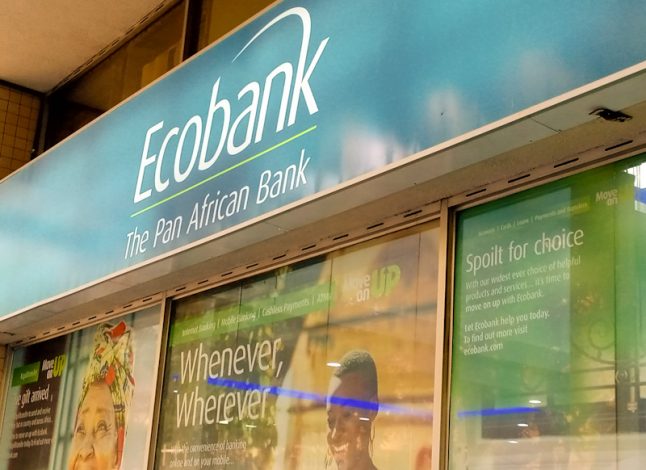
Ecobank Transnational Incorporated (ETI) will mobilize $2.6 billion by 2030 to finance businesses owned by women and agricultural value chains across Africa. The Lomé headquartered group announced the plan on September 24, 2026, during its 40th anniversary celebrations.
The group will split the money between two programs. Ellevate, its program for businesses owned and led by women, will receive $2 billion. Agricultural small and medium sized enterprises (SMEs) and related businesses will receive $600 million.
$2 Billion Loan Book for Women Entrepreneurs
Ecobank plans to build a $2 billion loan portfolio under Ellevate by 2030. The group says it has already supported more than 110,000 businesses owned by women. It now aims to serve 400,000 formal businesses led by women by the end of the decade.
The program also targets nearly 1 million women microentrepreneurs. They will receive training in digital tools and business management, along with access to banking services. The financing will reach sectors including agribusiness, healthcare and education.
Ecobank intends to use guarantee mechanisms from development finance institutions (DFIs) to absorb part of the credit risk on SME loans. Lenders often cite that risk as the main reason they hold back credit from smaller borrowers. The African Guarantee Fund has framed its support for SME lenders as a way to close the financing gap, and Sidian Bank received KSh500 million in SME funding in 2021 under a partnership with the fund. Khusoko
Other lenders have set comparable targets. Absa Bank committed KES 100 billion to support SMEs across value chains over three years.
Equity Group and IFAD Launch $200M Fund to Help East African Farmers Adapt to Climate Change
$600 Million for the Full Agricultural Chain
The second pillar sets a target of $600 million in outstanding loans to agricultural SMEs. Ecobank plans to move beyond seasonal farm loans and finance the chain “from farm to table.” That covers producers, aggregators, processors, logistics operators, traders and exporters.
The bank says the lending will support farming that can withstand climate shocks. It also expects the program to increase digital payments in rural areas and to widen access to trade finance. Ecobank says the aim is to build regional agricultural markets and reduce Africa’s reliance on food imports.
Group CEO Jeremy Awori said the initiative reflects the bank’s commitment to transforming African agriculture, not only financing individual planting seasons.
In July 2026, Ecobank listed a $450 million Nature Bond on the London Stock Exchange. The bank described it as the first of its kind issued by a commercial bank under the International Capital Market Association’s designation.
Guarantees, Payments and Market Access
The initiative goes beyond lending. It includes guarantees and risk sharing, digital payment and collection tools, training in management and leadership, and help with reaching buyers. Ecobank says these tools should help small businesses join the formal economy and qualify for credit.
The bank will connect borrowers to regional markets through its Single Market Trade Hub. Ecobank says the platform already links more than 60,000 businesses. It will support transactions between suppliers and buyers as the African Continental Free Trade Area (AfCFTA) expands trade within the continent.
The trade area is also building its own infrastructure. In May 2026, the AfCFTA Secretariat selected Kenya, Morocco and Nigeria to pilot digital trade systems covering identity, payments and data. AfCFTA Secretary General Wamkele Mene said full implementation could raise intra-African exports by more than 80%, generating up to $450 billion by 2035.
Ecobank has built platform tools before. Khusoko reported in 2020 that the group opened a sandbox for fintechs and developers.
Targets Sit Below the Funding Gap
The commitments are small against the scale of demand. The African Development Bank estimates that SMEs owned and led by women face a $49 billion financing gap across the continent. It puts the annual gap for agricultural SMEs at about $96 billion.
Follows a $3 Billion Trade Pledge
The announcement follows a trade finance commitment made in May 2026. Ecobank pledged $3 billion over three years to speed up trade within Africa and with the rest of the world, announced at the Africa Forward Summit in Nairobi. The bank will deploy the money with DFIs, including Proparco.
At the same meeting, Ecobank formalized a partnership with the Alliance for a Green Revolution in Africa (AGRA) to reduce lending risk and improve SME access to finance in eleven African countries, with a focus on women and young entrepreneurs. Awori said the funds represent “capital deployed directly into the real economy” to support food production and local value creation.
Ecobank operates in 34 African countries. Both programs fall under its Growth, Transformation and Returns strategy, which centers on risk management and cross border operations. For Awori, the programs must deliver access to capital and structural change in African economies.
Khusoko’s banking and finance coverage tracks how lenders follow through on such pledges.
