


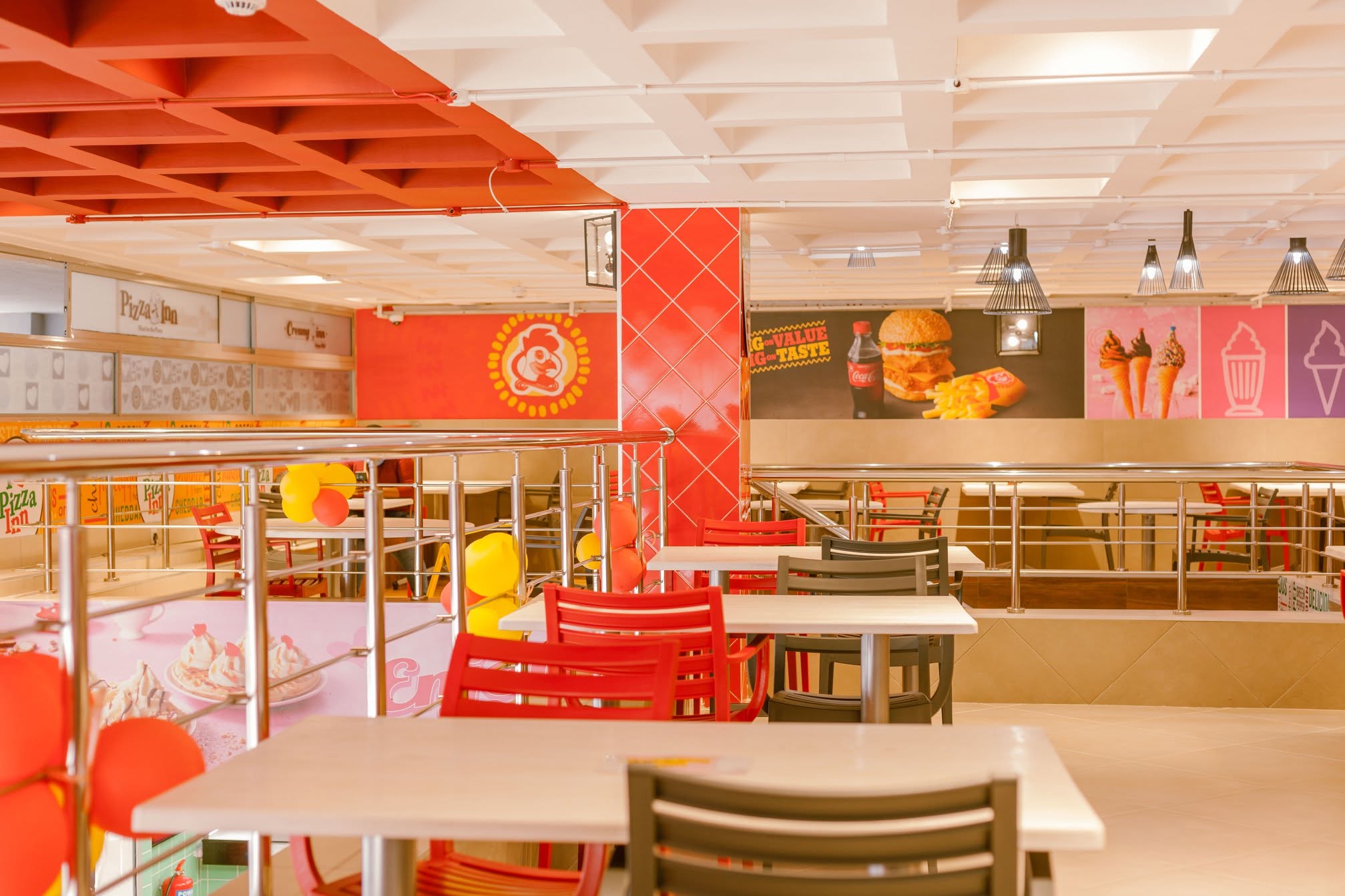
Simbisa Brands, the operator of Pizza Inn, Creamy Inn, Galitos, Bakers’ Inn and Chicken Inn, grew revenue in Kenya by 11 percent in the year ended June 30, 2026. Group revenue rose 20 percent, and the company raised its dividend 45 percent.
In Kenya, more customers and a jump in home deliveries offset a drop in spend per visit. Operating profit rose 16 percent, ahead of revenue. The company added a net five stores and closed the year with 257 in the country.
Simbisa published the audited results on September 29.
Kenya Results at a Glance
| Measure (US dollar terms) | Year to June 2026 |
|---|---|
| Revenue | +11% |
| Operating profit | +16% |
| Customer volumes | +14% |
| Delivery orders | +59% |
| Average customer spend | −3% |
| Stores | +5 net, 257 at year end |
More Customers, Lower Spend Per Visit
Customer volumes rose 14 percent, while average spend in US dollars fell 3 percent. Simbisa said the value led pricing strategy caused the decline, and that stronger traffic covered it. Exchange rate stability supported trading, but pressure on household incomes kept shoppers focused on price. The company said competition in the quick service restaurant (QSR) sector stayed high, which forced it to lean on pricing and promotions to defend market share.
In the six months to December, Kenya revenue rose 8 percent on a 12 percent rise in customers, with average spend down 4 percent. By the third quarter, revenue growth had reached 15 percent, and customer volumes rose 21 percent to 3.5 million while average spend fell 5 percent to US$6.17.
Political unrest also cost the company sales. Chairman ABC Chinake said periods of unrest affected trading at selected Kenyan locations.
Deliveries Approach the 30% Target
Delivery orders rose 59 percent, and deliveries now account for 27 percent of Kenya turnover. That is close to the 30 percent target Group CEO Basil Dionisio set last year, when he said the market aimed to raise delivery contribution to “30% of total turnover” by the end of the 2026 financial year.
The channel gains ground each year. Delivery sales rose 33 percent in the year to June 2025, when walk in customers fell 6 percent amid protests and reduced disposable incomes. Simbisa has worked with delivery platforms in Kenya for years, and Khusoko reported that Glovo signed Simbisa as a partner after entering the market in 2019.
Profit Grows Faster Than Revenue
Operating profit rose 16 percent, five points ahead of revenue growth. Simbisa credited cost control and operating efficiencies, and said margins improved despite the pressure on prices. Simbisa also refurbished 19 outlets in Kenya during the year and added a net five stores from a base of 252.
Group Revenue Up 20%, Dividend Up 45%
Across the group, revenue rose 20 percent on an 11 percent rise in customer volumes and an 8 percent rise in real average spend. Operating profit rose 28 percent and profit before tax rose 36 percent. Headline earnings per share (HEPS) rose 45 percent, from 2.98 cents to 4.33 cents.
| Group measure | Year to June 2026 |
|---|---|
| Revenue | +20% |
| Customer volumes | +11% |
| Real average spend | +8% |
| Operating profit | +28% |
| Profit before tax | +36% |
| Headline earnings per share | 4.33 cents (from 2.98 cents) |
| Cash generated from operations | +27% |
| Total dividend | +45% |
Cash generated from operations rose 27 percent, equal to 112 percent of operating profit. The board declared a final dividend of 0.622 US cents a share, taking the total for the year to 1.556 cents. Shareholders on the register at close of business on October 16 receive it on or about November 6. Last day to trade with the dividend is October 14.
Chinake said the year showed “customer growth driving stronger earnings despite the challenging operating cost environment.”
Zimbabwe Drives Group Growth
Zimbabwe contributed 72 percent of group revenue. Revenue there rose 23 percent, and operating profit rose 39 percent. The market served a record 53.6 million customers, up 11 percent, and delivery orders rose 75 percent. It ended the year with 352 counters, a net 17 more than a year earlier.
Costs weighed on the market. Simbisa paid US$2.1 million in Zimbabwe’s Fast Food Tax during the year, and it also faced higher employee costs, energy costs and intermittent power supply. Revenue from the rest of the group’s regions rose 13 percent.
Eswatini and Franchised Markets
Eswatini revenue rose 24 percent, supported by a 10 percent rise in customers and a 12 percent rise in real average spend. Operating profit rose 4 percent, and the three stores opened during the year contributed to the result.
The franchised portfolio added a net four counters and ended the year with 130 active stores.
| Franchised market | Stores at June 30, 2026 |
|---|---|
| Democratic Republic of Congo | 37 |
| Zambia | 31 |
| Malawi | 21 |
| Ghana | 18 |
| Mauritius | 16 |
| Namibia | 7 |
The group added a net 29 stores during the year, closing with 759, and refurbished 25 outlets. It also increased its use of biodegradable packaging in Zimbabwe and Kenya, invested in solar energy and expanded its electric delivery fleet.
Rivals Compete for the Same Customers
Simbisa competes with international chains and local operators. The main players in Kenya’s quick service market include the following.
| Operator | Brands or format | Presence in Kenya |
|---|---|---|
| Kuku Foods East Africa Holdings | KFC franchisee, also in Uganda and Tanzania | Opened its first Mombasa outlet in 2021 |
| Java House Africa | Cafés and restaurants | 65th branch opened in 2019 |
| Domino’s, Pizza Hut, Burger King, Subway | International chains | Established presence, alongside Japan’s Toridoll and select South African outlets |
The Competition Authority of Kenya put market shares in 2019 at 34 percent for Java and 16 percent for the Innscor group, which then included Pizza Inn, Galitos and Creamy Inn. Kuku Foods has also leaned on delivery, and Khusoko reported that Jumia Foods extended its KFC service to Meru and Nanyuki in 2023.
Outlook for FY2027
Simbisa enters the new financial year with customer growth but expects spending to stay tight. It flagged higher taxes, employee costs, input inflation and climate related risks as pressure on margins. The company plans to keep investing in delivery, digital ordering, drive through formats, selective store openings and refurbishments.
Simbisa is running a value strategy in a market where rivals fight for the same wallets. Volume and delivery are carrying revenue, while average spend keeps slipping.
