


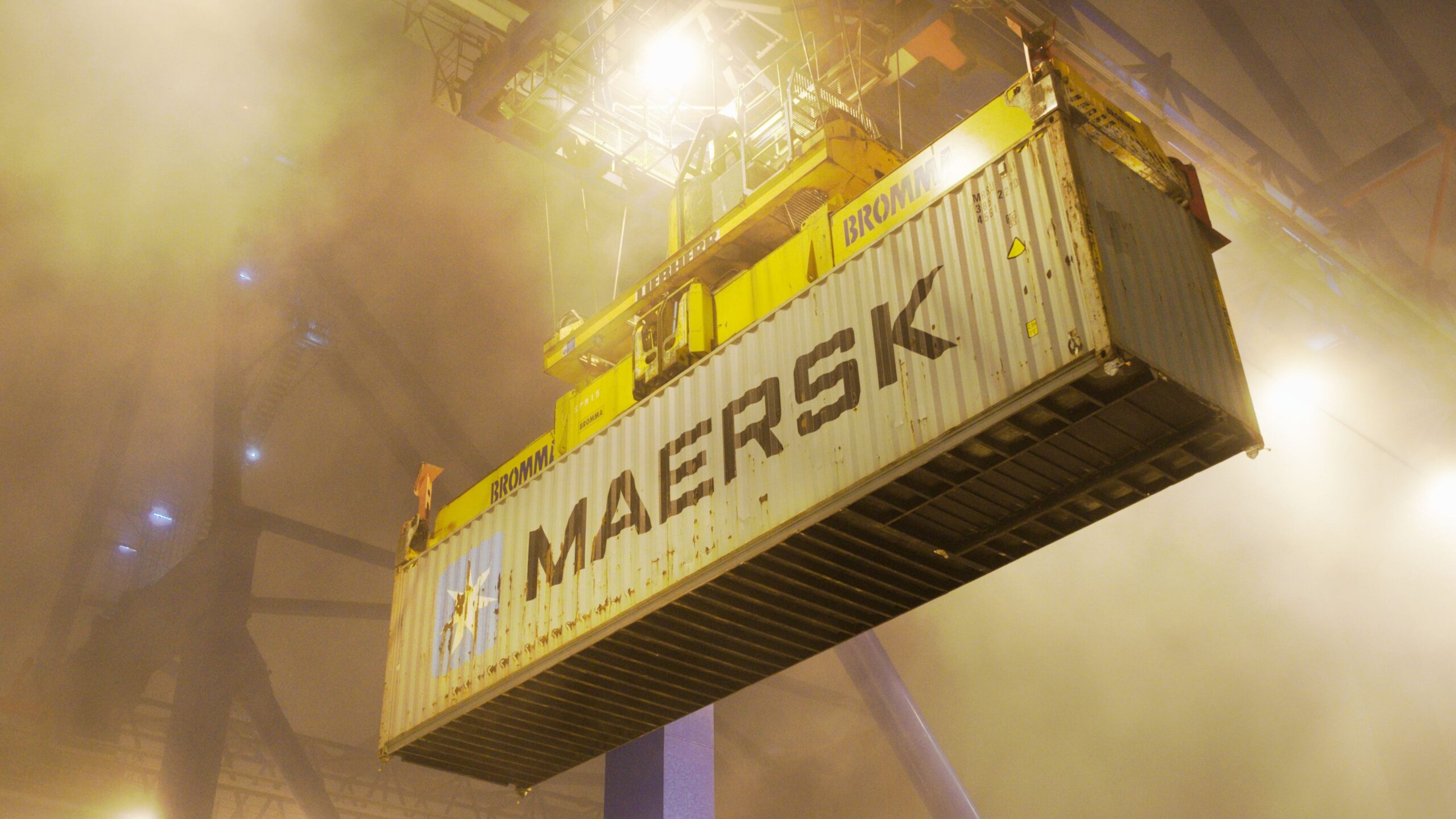
Shipping line Maersk has issued an update on logistics conditions across East Africa, pointing to strong export demand in Kenya alongside new compliance rules and fresh charges tied to disruption in the Middle East trade network.
Kenya avocado season lifts demand for reefers and vessel space
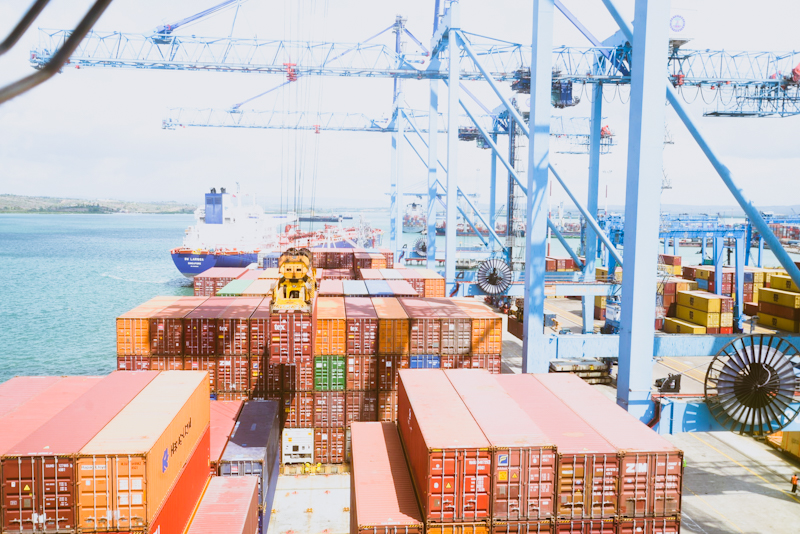
Kenya’s avocado export season has pushed up demand for refrigerated containers, trucking and vessel space, Maersk said. The company described the East African logistics market as active through July, with agricultural exports from Kenya, Uganda and Tanzania driving activity.
Uganda’s Arabica coffee season has added to the pressure on inland transport and export logistics, while Maersk is also preparing capacity ahead of Tanzania’s cashew export campaign later in the year.
To keep cargo moving, Maersk said it is watching reefer availability closely, working with trucking partners and coordinating between port and vessel planning teams. The company urged customers to book early, particularly for refrigerated cargo, and to share expected volumes ahead of time so it can plan equipment and transport needs.
Demand should stay firm through August, though lead times will depend on equipment availability, trucking capacity and how quickly ports and borders can process cargo, according to Maersk.
New Kenya cargo declaration rule takes effect
Separately, the Kenya Revenue Authority has rolled out a mandatory Advance Cargo Declaration platform for all containerized imports arriving by sea, effective August 3, 2026. Shippers must now secure an ACD reference code before loading and have it endorsed on the bill of lading.
The code follows a 15 digit alphanumeric format. Maersk gave the example ACDKE2026004324, breaking it down as a five letter prefix identifying the reference name and country, a four digit year, and a six digit sequential number issued by KRA.
Maersk called the code mandatory for shipment processing and said cargo cannot move to Kenya without it appearing on the final bill of lading. From September 1, 2026, vessel carriers will also need to validate the code before loading, meaning containers without a valid ACD number will not be accepted at origin.
Maersk flagged the rule as one of several compliance changes reshaping trade into East Africa this year, alongside port and depot congestion and continued disruption to Middle East shipping routes. The change lands as governments and investors across the region push to speed up movement along Africa’s main trade corridors, including the Kenya to Uganda Northern Corridor route that feeds cargo through Mombasa.
Gulf disruption prompts emergency freight rate
Maersk has also introduced an emergency freight rate for cargo moving to or from ports in Iraq, Kuwait, Saudi Arabia’s Damman and Jubail terminals, Bahrain, Qatar, the United Arab Emirates, and Oman, excluding Salalah. The rate applies per container and depends on cargo type, ranging from 1,800 dollars for a 20 foot dry container to 3,800 dollars for reefer, special and dangerous goods containers. A 40 foot dry container costs 3,000 dollars.
Maersk said the surcharge covers alternative routing, temporary storage and additional chartering needed to keep cargo moving toward its final destination once conditions allow. The company attributed the rate to what it called the volatility of the ongoing situation in the Gulf.
On top of that rate, any vessel transiting the Strait of Hormuz will face an additional charge of 1,000 dollars per container. Maersk said this fee covers added costs such as insurance premiums and crew risk compensation, and replaces charges it previously billed separately for its landbridge solution. Combined with the emergency freight rate, the surcharge is meant to fund onward transportation to the upper Gulf when a direct sea route is not possible.
Together, the measures point to a logistics environment in flux for shippers moving goods between East Africa, the Gulf and beyond, with Maersk asking customers to build in flexibility around schedules and documentation as the rules and charges take hold.
