



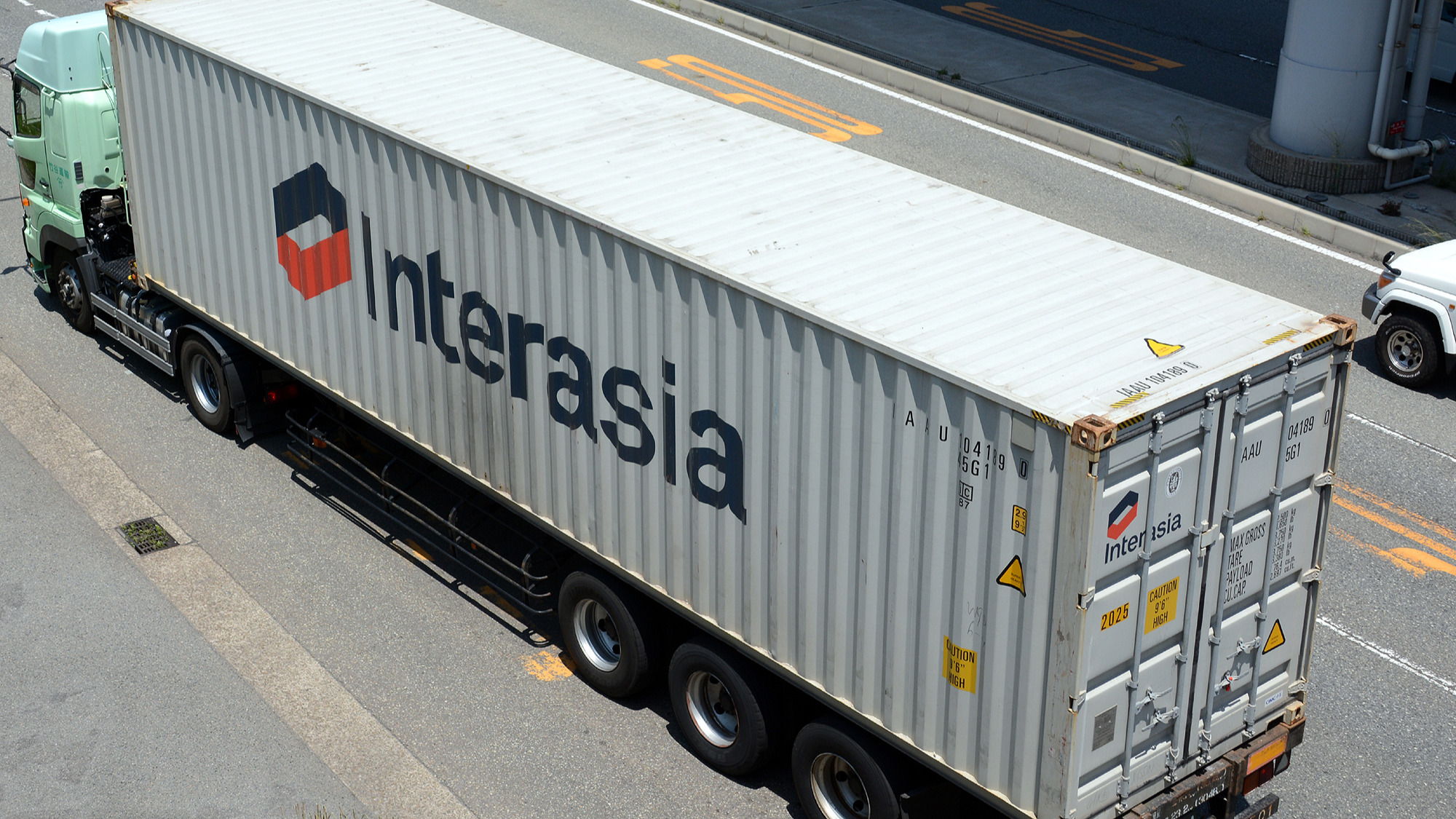
Taiwan based shipping line InterAsia Lines has begun a weekly service at the Port of Mombasa, a move Kenya Ports Authority (KPA) says will strengthen the country’s maritime connectivity with Asia.
The service will deploy vessels with capacity of between 2,000 and 2,500 Twenty Foot Equivalent Units (TEUs). InterAsia Lines will run the route in partnership with South Korea’s Hyundai Merchant Marine (HMM), Singapore’s Pacific International Lines (PIL) and China’s COSCO Shipping Corporation Limited. The service is expected to commence in mid October 2026.
A Busy Fortnight at Kenya’s Seaports
The announcement lands during a surge in vessel traffic. KPA data show 57 vessels are scheduled to call at the ports of Mombasa and Lamu over the next two weeks, according to the authority’s 14 day vessel schedule.
| Port | Container ships | Conventional vessels | Oil tankers | Car carriers |
|---|---|---|---|---|
| Mombasa | 27 | 16 | 4 | 5 |
| Lamu | 5 | — | — | — |
KPA has framed the InterAsia announcement as part of a broader pattern: rising cargo volumes across its ports as the authority pushes ahead with infrastructure upgrades. Khusoko has separately reported that Mombasa’s new deep water berths are taking shape as cargo volumes keep climbing, part of a wider expansion programme aimed at pushing the port’s container capacity from 2.3 million TEUs toward 3.1 million.
InterAsia Cites Rising Asia-East Africa Trade
InterAsia Lines’ East Africa and Mozambique Area Representative, Eric Chen, announced the new service during a courtesy call on KPA Chief Executive Officer Captain William Ruto. Chen was accompanied by Inchcape Shipping Services East Africa Cluster Manager Benance Sebastian, East Africa Port Captain Bwanaheri Lali, Port Operations Manager Lydia Muchoki and Liner Manager Johana Macharia. The delegation praised the progress at the Port of Mombasa and its expanding role as a gateway to East and Central Africa.
Chen linked the new route to growing demand for shipping capacity between Asia and East Africa, driven by higher trade volumes along that corridor.
“The launch of the new shipping service demonstrates our commitment to becoming a leading maritime hub in the East African region,” Chen said, noting that the move also reflects efforts to diversify trade partners and improve logistics between Asia and Africa.
He credited ongoing infrastructure upgrades and modernisation projects at the Port of Mombasa, saying the new service signals growing confidence in the port and the wider regional market.
KPA Points to Reform Programme
Captain Ruto welcomed the service, thanking InterAsia Lines for its continued cooperation and confidence in the Port of Mombasa. He said the timing coincides with efforts to reposition the port for greater efficiency, investment and economic growth.
He pointed to reforms in infrastructure, digital systems and regulation that continue to revitalise port operations, supporting both revenue generation and trade facilitation.
“Through strategic partnership with global shipping giants such as InterAsia and others, we are strengthening and consolidating our position on the international stage and opening new opportunities for maritime trade in Kenya and beyond,” he said.
He assured the shipping line of KPA’s commitment to keeping the Port of Mombasa a preferred gateway for regional and international trade.
Wider Gains Across Kenya’s Ports
Mombasa is not the only port reporting momentum. Lamu Port and Kisumu Port have also recorded rising cargo volumes this year, a trend KPA links to its investment programme rather than a one off spike.
For 2026, KPA expects stronger performance as it rolls out digital transformation, equipment modernisation, infrastructure development and capacity expansion projects across its network. The authority argues these investments will position Mombasa, Lamu and its other facilities as competitive regional maritime hubs capable of meeting rising international trade demand.
For Kenyan importers and exporters, the practical effect of the InterAsia deal is straightforward: another weekly link to Asian markets, added shipping capacity, and one more signal that global carriers still see Mombasa as a port worth betting on.
