



Money sent home by Kenyans abroad kept sliding in June, extending a slide that started in April.
According to the Central Bank of Kenya, remittance inflows totalled 375.6 million dollars in June 2026, down from 394.2 million dollars in May, a drop of 4.7 percent. The 12 month total to June fell too, down 2.4 percent to 4,960 million dollars from 5,084 million dollars over the same window a year earlier.
CBK pointed to weaker inflows from key source markets as the main driver.
What the 2026 Numbers Show Month by Month
Remittances did not fall in a straight line this year. They opened low, spiked hard in March, then eased off through the second quarter.
| Month | Inflows (USD million) | Change from prior month |
|---|---|---|
| January | 411.3 | down 3.8 percent from January 2025 |
| February | 412.7 | up 0.3 percent |
| March | 450.3 | up 9.1 percent |
| April | 397.8 | down 11.7 percent |
| May | 394.2 | down 0.9 percent |
| June | 375.6 | down 4.7 percent |
Source: Central Bank of Kenya weekly bulletins, compiled by Khusoko.
March stands out as the high point of the year, the strongest single month CBK has recorded. What followed looks less like a blip and more like a correction: April gave back most of the March gain, and May and June kept trimming further.
Why the Slide Matters Beyond the Headline Number
Remittances rank as Kenya’s largest source of foreign currency, ahead of tourism and agriculture exports. That earns them a direct line to the shilling, to import cover, and to household budgets that depend on money from relatives working abroad.
NCBA Market Research flagged the decline as a point worth watching, tying it to a wider currency story. Kenya’s shilling has held steady even as a strong dollar puts pressure on other currencies, and the bank called that stability worth noting given the drop in diaspora flows. NCBA reported remittances falling 10.4 percent year on year in May, following a 5.9 percent contraction in April, and pointed to weaker flows from North America and Asia as the reason growth for the full year is likely to land only marginally above 2025.
Part of the story traces back to Saudi Arabia. The kingdom introduced a skill based work permit system last year that replaced the older system covering all foreign workers under one category. That shift cut into remittances from Saudi Arabia by more than 25 percent in 2025, and CBK has said it expects only a gradual recovery as the new framework settles in. Since the Gulf region accounts for roughly a tenth of Kenya’s annual remittance total, any slowdown there shows up in the national figures.
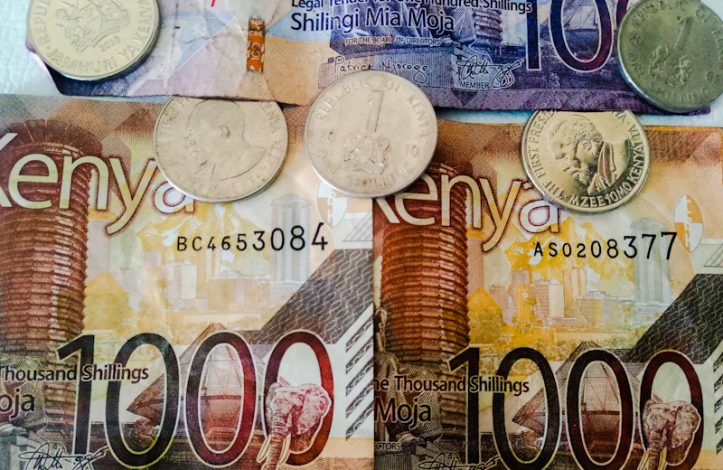
The Shilling Holds Steady Despite the Dip
Weaker remittances have not translated into a weaker currency, at least not yet. NCBA credited that resilience to two factors: stable import demand and central bank support, including a 750 million dollar World Bank development policy loan that lifted foreign exchange reserves to 14,047 million dollars, enough to cover six months of imports.
The bank also pointed to progress in talks between the United States and Iran as a factor that could ease shipping constraints and lift tea and coffee exports in the second half of the year, offsetting some of the pressure from softer remittances. NCBA expects the current account deficit to widen slightly, toward 4 percent of GDP this year, with the shilling trading in a range of 129 to 132 against the dollar.
That range sits close to where the currency has traded through 2026 already. Khusoko’s coverage of fuel pricing this year showed the shilling holding near 129.7 to the dollar through June, even as global oil prices swung on tension in the Middle East.
Remittances and fuel imports pull the currency in opposite directions, dollars flowing in from one, dollars flowing out through the other, so a slowdown on the inflow side adds one more variable for the central bank to manage alongside energy costs.
What This Means for Households and the Market
For a household that depends on money from a relative working in the Gulf, North America, or Europe, the monthly swings in this data are not abstract. A ten percent drop in a single corridor can mean a real gap in a family budget, even while the national total stays large in absolute terms.
For anyone watching the shilling, the message is more about balance than alarm. Reserves sit well above the statutory minimum, remittances still land above 4.9 billion dollars a year, and the central bank has tools in place to smooth pressure when one funding source slows.
The trend worth watching through the rest of 2026 is whether the Saudi corridor recovers as CBK expects, and whether tea and coffee exports pick up enough in the second half of the year to offset a diaspora that appears to be sending a little less each month.
