



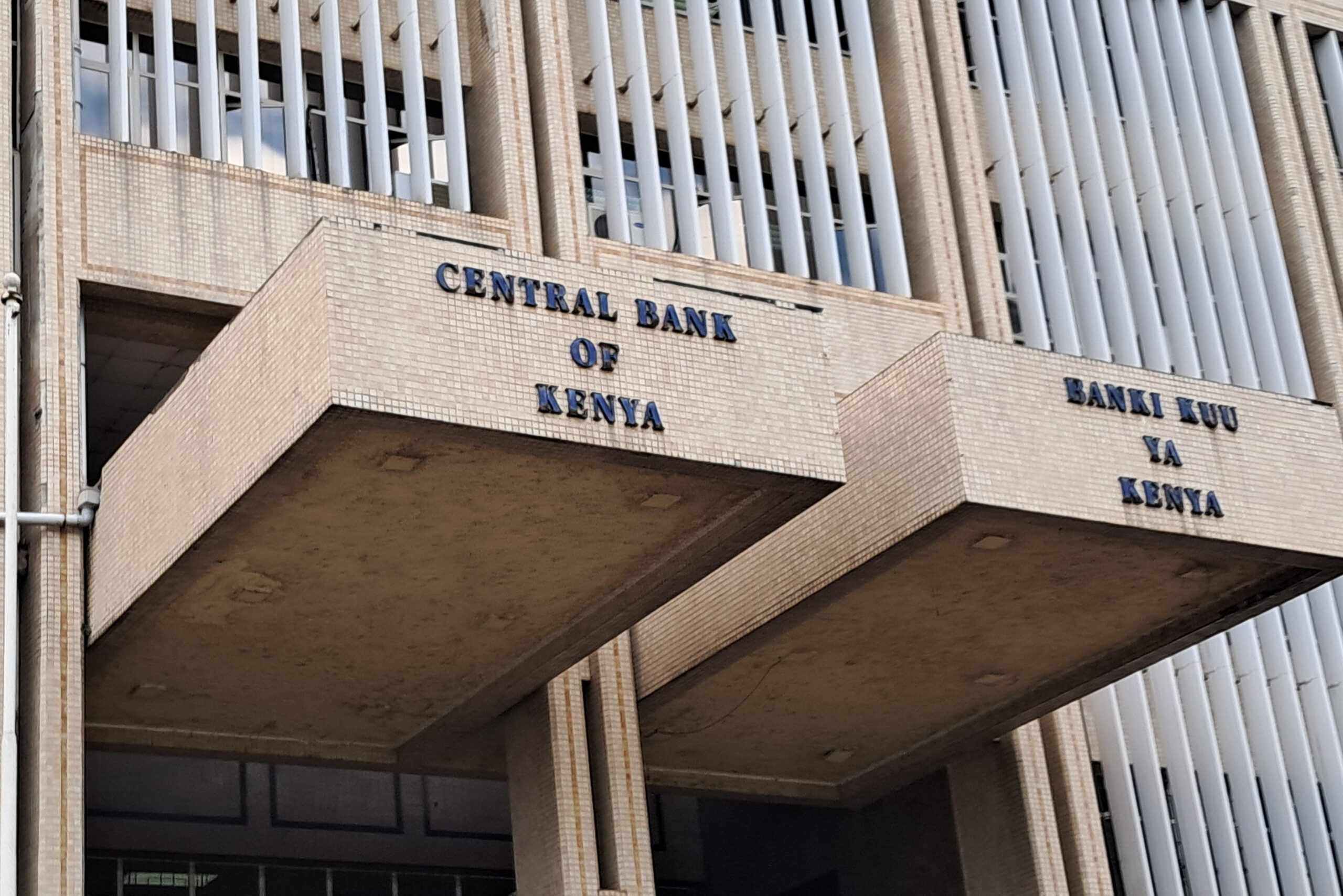
The Central Bank of Kenya has replaced a licence fee model that stood untouched since 1994. Legal Notice No. 81 of 2026, published on 8 May 2026, brings gross annual revenue into the calculation for the first time and retires the old branch count method entirely.
Why the Change Matters
Kenya’s banking sector barely resembles what it looked like three decades ago. Local branches grew from 371 in 1994 to over 1,500 today, and cross border operations expanded from zero to more than 500. A fee structure built around branch counts stopped reflecting how banks actually generate income or how much oversight the regulator now provides. The new rules fix that gap by tying fees to what institutions earn rather than where they operate.
How the New Fee Works
Under Regulation 3, banks now pay an annual fee calculated as a percentage of gross annual revenue. The Central Bank defines that revenue broadly: interest on loans and advances, income from government securities and placements, fees and commissions, dividend income, foreign exchange trading income, and any other income reported in the previous year’s audited financial statements.
The rate climbs in stages rather than jumping all at once:
- 2026: 0.13 percent, due 31 December 2026
- 2027: 0.14 percent, due 31 December 2027
- 2028: 0.15 percent, due 31 December 2028
- 2029 onwards: 0.15 percent, due 31 December each year
New entrants aren’t exempt before they open their doors. Institutions granted a licence must pay based on their projected average revenue for the first three years of operation.
What the Old System Charged
The Banking (Fees) Regulations, 1994, which this notice revokes, priced licences by location rather than earnings. Institutions paid:
- Kes 400,000 when granted a licence, and again on each anniversary
- Kes 150,000 per branch within a municipality
- Kes 100,000 per branch within a town council area
- Kes 30,000 per branch within an urban council area
A bank with dozens of branches across different council classifications paid accordingly, regardless of whether those branches turned a profit. Larger, more profitable institutions with lean branch networks could pay less than smaller banks spread across many towns. The 2026 regulations close that gap.
Payment and Penalties
Fees still go to the Central Bank as a single lump sum rather than instalments. Miss the deadline and the penalty is steep: institutions that fail to pay by the due date owe double the fee within ninety days. Continued non-payment puts the licence itself at risk of revocation under Section 6 of the Banking Act.
What Comes Next for Banks
Finance teams now need to build revenue forecasting into their compliance calendars, since the fee owed each year depends directly on the prior year’s audited figures. Banks with strong revenue growth will feel the increase more than smaller players, but every institution gains a fee structure that scales with its actual business rather than its branch signage. After three decades of a flat, location based system, Kenya’s banking regulation finally caught up with how banks make money.
