



 Africa has some of the most progressive legal frameworks on women’s rights in the world. Constitutions, national laws, and regional treaties affirm women’s equality and prohibit discrimination.
Yet for millions of women across the continent, equality remains more a promise written in law than a reality experienced in everyday life.
The 2026 UN theme “Rights. Justice. Action. For ALL Women and Girls” invites reflection on a question that continues to challenge governments, institutions, and societies across the globe: if the legal commitments to gender equality already exist, why do so many women still struggle to experience justice in their daily lives?
According to the United Nations Secretary-General’s report, “Ensuring and Strengthening Access to Justice for All Women and Girls” notes that no country in the world has yet achieved full legal equality for women and girls. This gap between legal commitments and lived realities is now one of the defining challenges in advancing gender justice across the continent.
Countries and communities globally recently commemorated International Women’s Day- but beyond March 8th, every new day serves as a powerful reminder that advancing gender equality is a shared responsibility. This is a moral duty that calls on all of us in governments, institutions, communities, and individuals who work collectively to dismantle the systemic barriers that continue to prejudice and disadvantage women.
While important progress has been made through enactment and adoption of laws and policies, each passing IWD reminds us that gender equality cannot be achieved through formal commitments alone but requires real transformation in practice.
International Commitments On Gender Equality
Global Treaties Exist, But Violence and Inequality Still Plague African Women
For decades, the global community has committed itself to advancing women’s rights. Treaties such as the Convention on the Elimination of All Forms of Discrimination Against Women (CEDAW), alongside the Beijing Declaration and Platform for Action and the UN Sustainable Development Goals, have established clear international standards for gender equality. Yet the lived reality for many women remains far from these commitments.
Nearly one in three women globally experience physical or sexual violence, according to UN Women. In Sub-Saharan Africa, specifically, around 33% of women experience intimate partner violence, according to the World Health Organization. Economic inequality also persists.
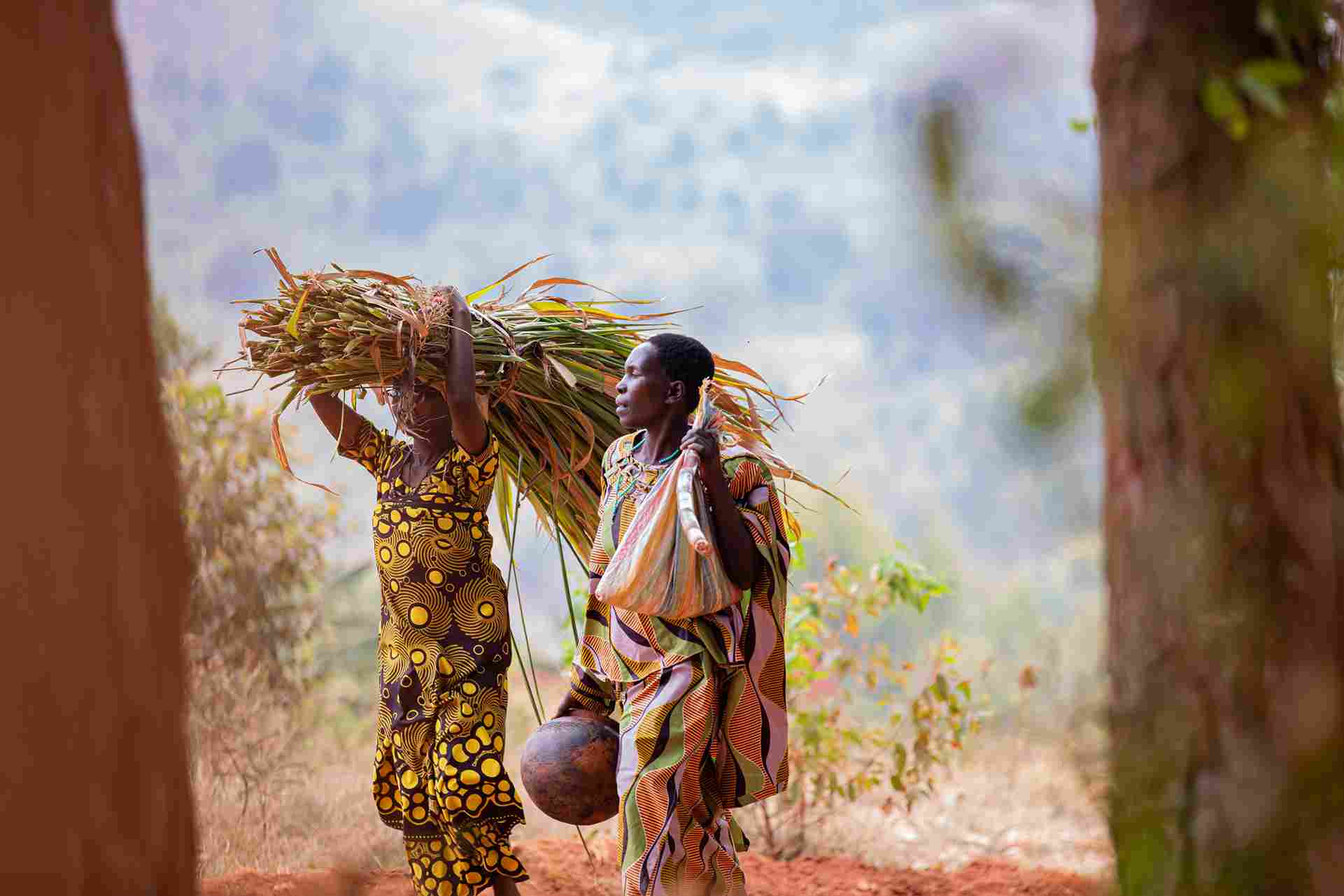
Women make up close to 60% of the agricultural workforce in parts of Africa, yet they own less than 15% of agricultural land, according to the Food and Agriculture Organization. Limited land ownership and restricted access to credit further undermine women’s economic independence. Health disparities tell a similar story.
Sub-Saharan Africa accounts for nearly 70% of global maternal deaths, highlighting persistent gaps in access to quality maternal health care. Women also remain underrepresented in political leadership. According to the Inter-Parliamentary Union, women currently hold about 27% of parliamentary seats across Africa, still far from the 50/50 gender parity threshold envisioned in global and regional commitments.
Africa’s Progressive Regional Frameworks
From the Maputo Protocol to AUCEVAWG: Africa’s Strongest Tools for Women’s Rights
At the continental level, Africa has also demonstrated leadership in advancing gender equality through adoption of progressive regional legal frameworks. The African Charter on Human and Peoples’ Rights (the Banjul Charter, 1981), established foundational commitments to dignity, equality, and non-discrimination of women in all their diversities.
Building on this foundation, the Protocol to the African Charter on Human and Peoples’ Rights on the Rights of Women in Africa commonly known as the Maputo Protocol has become one of the most comprehensive regional instruments on women’s rights globally.
Adopted in 2003, the Protocol guarantees protections related to health, economic participation, reproductive autonomy, and freedom from harmful practices such as child marriage and female genital mutilation among other women rights.
More recently, the African Union Convention on Ending Violence Against Women and Girls (AUCEVAWG), adopted in February 2025, has further strengthened regional commitments to preventing and responding to gender-based violence. Together, these frameworks demonstrate that Africa has built a strong legal foundation for gender equality. The real challenge now is not the absence of laws but ensuring that these commitments are fully implemented in the lives of women across the continent.
The Enforcement Gap
Ratification Without Implementation: How Legal Loopholes Undermine Women’s Protection
Despite widespread ratification of gender equality frameworks, implementation remains uneven across the Continent. As of 2024, more than 44 of the 55 African Union member states have ratified the Maputo Protocol, signalling strong political commitment. Yet ratification alone does not guarantee protection.
In many countries, the Protocol’s provisions have not been fully incorporated into national law, and where legislation exists, enforcement is often weakened by limited institutional capacity, fragmented policies, and weak accountability systems.
In some cases, reservations to key provisions particularly those related to reproductive health and bodily autonomy further dilute protections. These reservations create what may be described as a “Swiss cheese effect” in the legal framework where commitments appear strong on paper but are punctured by exceptions that weaken their practical application.

In parts of East Africa, for instance, tensions between national criminal laws and the Protocol’s provisions on reproductive rights such as medical abortion in cases such as rape, incest, or threat to a woman’s life or health continue to create inconsistencies in access to essential health services.
Kenya for example illustrates how legal ambiguity can affect access to reproductive health services. While the 2010 Constitution permits safe and legal abortion in specific circumstances, including when a woman’s life or health is at risk, provisions in its 1963 Penal Code still broadly criminalise it, creating tension and uncertainty that leaves providers cautious and women uncertain about providing services and seeking care respectively.
Beyond legal barriers, deeply entrenched social norms continue to shape gender relations across many communities. Even where laws guarantee equality in areas such as land ownership, inheritance, or political participation, customary practices and social expectations often limit women’s ability to exercise those rights.
Debates in The Gambia over attempts to repeal the country’s 2015 ban on female genital mutilation illustrate how cultural and religious narratives can challenge the enforcement of progressive laws. In Nigeria, constitutional guarantees of equality often coexist with customary inheritance practices that favour male heirs, leaving many women without effective control over land or property.
In Mali and Senegal, debates around family law reforms have similarly revealed tensions between constitutional commitments to gender equality and prevailing interpretations of religious and cultural norms about family values that reinforce patriarchy.
In many African countries, access to justice also remains a major obstacle. Legal systems are often costly, complex, and geographically inaccessible particularly for women in rural areas
In this context, civil society organisations, women rights movements, human rights institutions and defenders have played an indispensable role in pushing governments to honour their commitments.
Across the continent, these actors have acted as a bridge between law and accountability raising public awareness, supporting survivors and monitoring government compliance. Through strategic litigation, advocacy, and community mobilisation, civil society actors have helped bring violations into the public spotlight, challenged discriminatory practices, and compelled states to implement constitutional and legal protections for women, transforming legal texts into practical tools for justice.
Nonetheless, the gains by civil society underscore that legal commitments alone are not enough to secure gender justice. Lasting progress depends on governments turning these commitments into tangible change through sustained political will, effective institutions, and accountability mechanisms that ensure women can realise their rights in practice.
Without meaningful enforcement, even the most progressive frameworks risk remaining symbolic rather than transformative. The adoption of the African Union Convention on Ending Violence Against Women and Girls (AUCEVAWG) therefore presents a significant opportunity to strengthen protection across the continent.
Its true impact will depend on whether governments move beyond endorsement to implementation translating its standards into practical measures that prevent violence, support survivors, and ensure access to justice
The Accountability Deficit
Weak Institutions and Digital Violence Are Leaving African Women Without Justice
Closely linked to enforcement challenges is a persistent accountability deficit. Protecting women’s rights requires institutions capable of monitoring compliance, investigating violations, and holding perpetrators responsible. Yet in many contexts these systems remain weak.
Survivors of gender-based violence, for instance, often face stigma when reporting abuse, while law enforcement and judicial institutions frequently lack the training, resources, or institutional sensitivity needed to respond effectively.
At the same time, gaps in data and monitoring make it difficult to track violations or identify systemic failures. The rapid digital transformation of African societies has also introduced new forms of harm. Women increasingly face technology-facilitated gender-based violence, including online harassment, cyberstalking, and the non-consensual sharing of intimate images.
Although many countries have adopted cybercrime and data protection laws, these frameworks often fail to address the gendered nature of digital violence. Strengthening accountability therefore requires more than legislation; it demands stronger institutions, survivor-centred justice systems, and better monitoring mechanisms to ensure violations are addressed effectively.

From Rights To Reality
What African Governments Must Do Now to Deliver Gender Justice
The UN 2026 theme “Rights. Justice. Action.” calls for moving beyond declarations to practical change. Governments must strengthen enforcement of existing laws by ensuring that courts, law enforcement agencies, and regulatory institutions have the resources and training needed to uphold gender equality commitments.
States should also reform discriminatory laws, particularly in areas such as family law, inheritance, and reproductive rights and align national legislation with regional frameworks including the Maputo Protocol and the AU Convention on Ending Violence Against Women and Girls (AUCEVAWG).
Stronger oversight is equally important. Institutions such as national human rights commissions, gender equality bodies, and parliamentary committees must be empowered to monitor compliance and hold governments accountable.
Civil society continues to play a crucial role in bridging the gap between law and lived reality by monitoring commitments, advocating reforms, and supporting women to claim their rights.
Legal empowerment must also be central to reform. Expanding legal aid, community paralegal programmes, and rights awareness initiatives can help women especially those in rural and marginalized communities claim their rights.
At the same time, sustainable progress requires addressing the social and gender norms that sustain inequality. Engaging communities, traditional leaders, and religious institutions, while involving men and boys as partners in advancing gender equality, is essential to shifting attitudes and supporting lasting change.
The Road Ahead
Turning Paper Promises Into Lived Equality for Every African Woman and Girl
Africa’s Agenda 2063 vision of prosperity, unity, good governance, and peace cannot be realised without the full participation and empowerment of women and girls. While we celebrate progress in some areas, more action is needed to achieve parity.
Africa has already written and adopted many of the legal frameworks needed to protect women’s rights and advance gender equality. The challenge now is to ensure that these commitments move beyond paper through stronger enforcement and accountability mechanisms, reform of discriminatory laws, adequate financial investment and the transformation of social norms that continue to limit women’s rights.
Only by matching legal commitments with political will, resources, and collective action will the continent truly transform its gender commitments into lived reality for ALL women and girls.
”Africa does not need more promises on women’s rights; it needs the courage to turn the rights written on paper into justice lived in the daily lives of every woman and girl”— Hortense Minishi –
By Hortense Minishi, is a Kenyan human rights lawyer working on gender equality, health justice, and governance in Africa
