


For most of its existence, Oraimo solved a specific problem. Your earbuds died. Your phone ran out of charge. Your cable stopped working. The brand built its continental reputation on products that fixed those problems quickly and affordably. That clarity of purpose served it well across 60 markets.
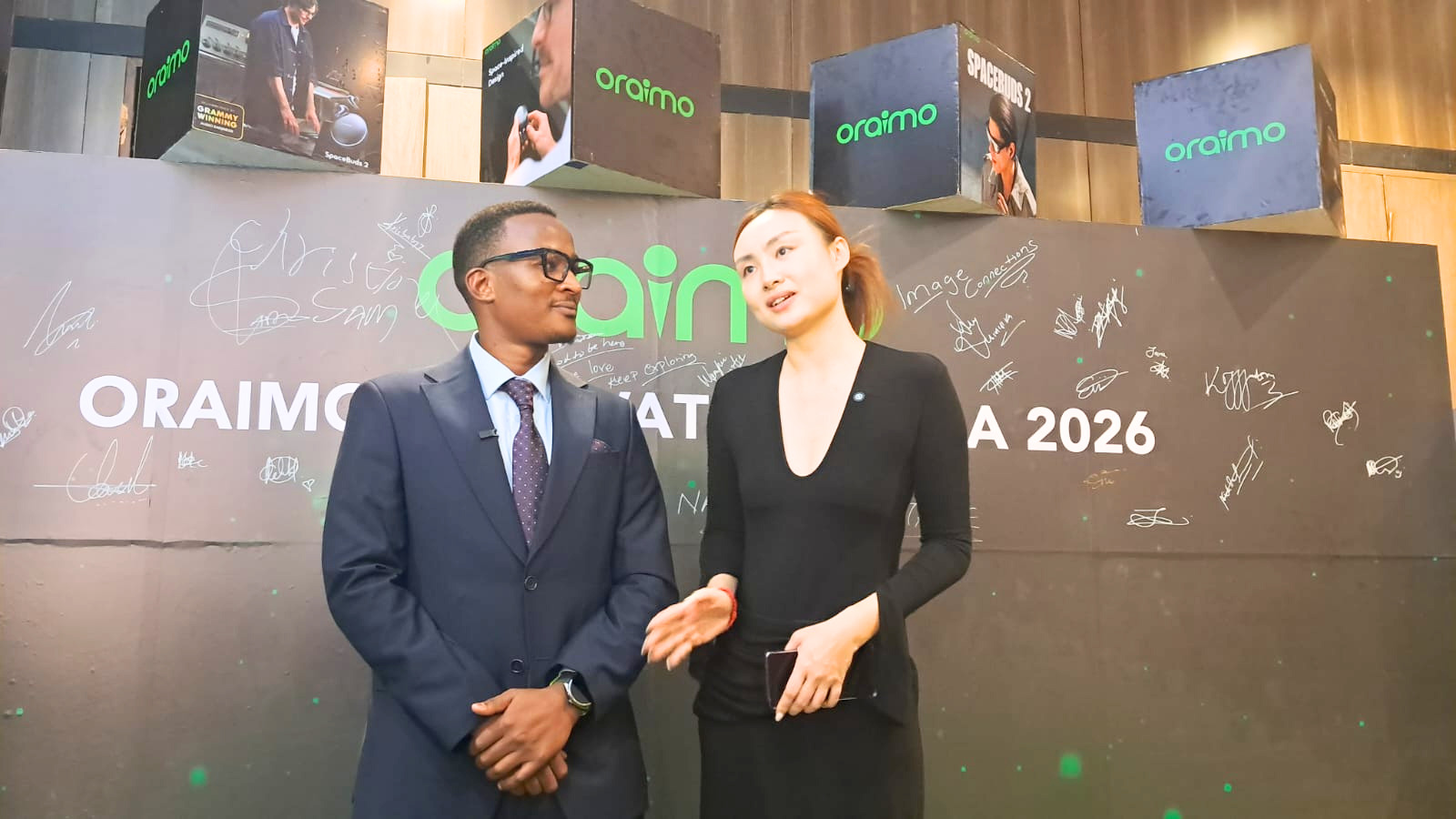
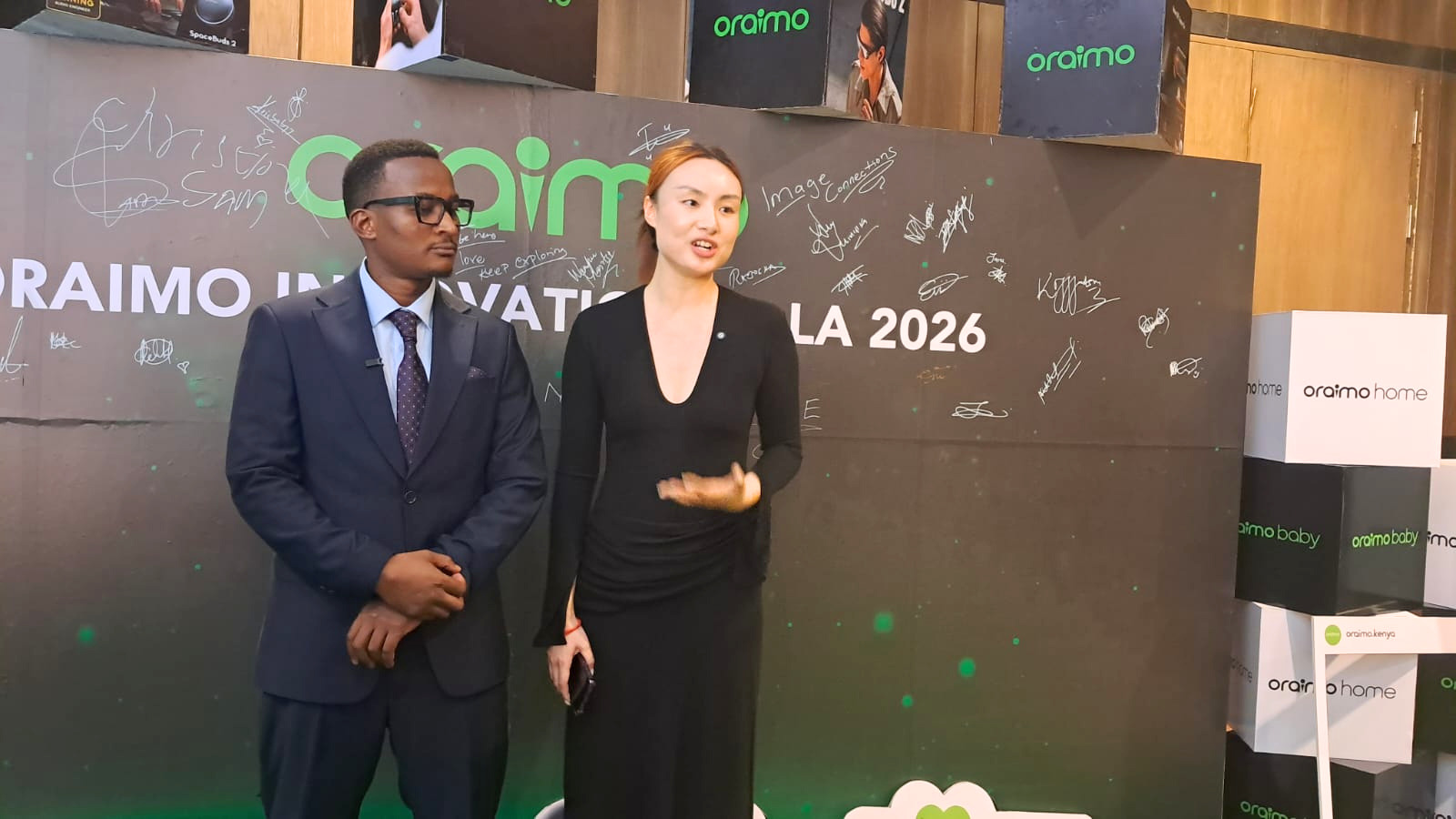
The company’s Innovation Gala 2026 in Nairobi changed the conversation entirely.
Two product lines announced at the event, oraimo home and oraimo baby, sit nowhere near the accessories category. Together they represent the most deliberate strategic turn the brand has made since launching in 2014 and raise a straightforward question: can a brand that earned its credibility on charging cables compete in smart kitchens and baby technology?
A Brand That Outgrew Its Original Category
Sia Fan, Brand Manager for East Africa, framed the expansion in terms of purpose rather than product.
“We are trying to power people’s lives,” she said, “to let them have a better life with Oraimo products.”
It positions the brand not as a filler of gaps in a consumer’s tech drawer, but as a presence in how that consumer runs a household, raises a child, and organises a working day.
Samwel Njoroge, Kenya Product Manager, drew the line from past to present without hesitation.
“We started in power banks, in the power category, in the smart category. Now we are also committed to home appliances. We are coming to your house.”
The tone reflected confidence rather than ambition. The dealer network, consumer trust, and retail presence already exist. What changes now is the territory.
Why Africa Needs Brands That Build Locally, Not Adapt Globally
Smart home devices and baby tech occupy largely uncharted ground for African-born consumer technology brands. Most competitors in those segments either import products engineered for European or North American households or operate at price points that exclude the majority of African consumers. Neither approach starts with what an African household actually needs.
Oraimo argues that this gap defines its opportunity. Njoroge described a research process that precedes every product decision.
“Our research and development team conducted extensive local needs studies to make sure that the products we bring to market truly satisfy your needs,” he said. “We are not adapting. We are building.”
Fan reinforced stating that, “We are moving step by step to make sure we can give local needs a global mentality using technology.”
The phrase captures the tension the brand navigates constantly: world-class engineering standards applied to problems that are specific to African homes, African hair textures, African power infrastructure, and African working patterns.
Njoroge went further on competitive positioning. “We are not just following the rules the competitors set. We are probably creating the rules through our market.” The claim rests on process. Before a product reaches any shelf, the company maps what consumers genuinely require rather than starting from what has already succeeded elsewhere and adjusting the packaging.
The Six Trends Driving What Oraimo Builds Next
At the gala, Oraimo presented a market framework built around six forces reshaping consumer behaviour across Africa: digitalisation acceleration, the remote work revolution, wellness consciousness, a mobile-first lifestyle, charging dependency, and what the company calls the quality time quest.
No single trend dominates product development. Several operate together.
The remote work revolution and charging dependency sit closest to each other in Oraimo’s product logic. As more consumers run businesses from mobile devices or work from home without reliable office infrastructure, consistent power stops being a convenience and becomes a basic requirement. AnnieFast, the company’s proprietary fast charging technology across power banks, chargers, and cables, addresses that dependency directly. The SpaceBuds 2 AI meeting summarisation feature responds to the same shift, giving remote workers a tool to stay productive without a desk.
Wellness consciousness shaped the AniShift grooming technology, which detects air density in real time and adjusts motor speed to suit thicker, coarser African hair textures. The quality time quest, a term Oraimo uses to describe consumers investing more in family time and domestic life, informs where home appliances and baby products enter the picture.
Fan connected all of it back to the same starting point. “We really rely on the local needs,” she said. The research does not begin with a global product blueprint and work backwards. It begins with a household, a daily routine, a practical frustration, and builds forward from there.
What the Next Decade Demands
Moving into home appliances and baby technology carries real risk. These categories carry higher consumer expectations, longer purchase cycles, and greater safety scrutiny than earbuds or power banks. No African-born tech brand has yet established a clear benchmark in either space, which means Oraimo enters without a competitor to measure itself against and without a consumer reference point to anchor its positioning.
That absence cuts both ways. There is no established standard to beat, but there is also no established trust to borrow.
Njoroge addressed the longer arc of the company’s ambition without deflecting from it. “We have survived more than a decade,” he said. “We are going into another one.”
The accessories that built Oraimo still matter. They fund the research, fill the retail shelves, and keep the brand visible in markets where margins reward volume. But they no longer define what the company is.
Oraimo now describes itself as a technology ecosystem, one designed to follow the African consumer from their pocket, to their wrist, to their kitchen, and eventually to their child’s room. Whether the products deliver on that ambition will determine whether the brand earns the right to that description.
