


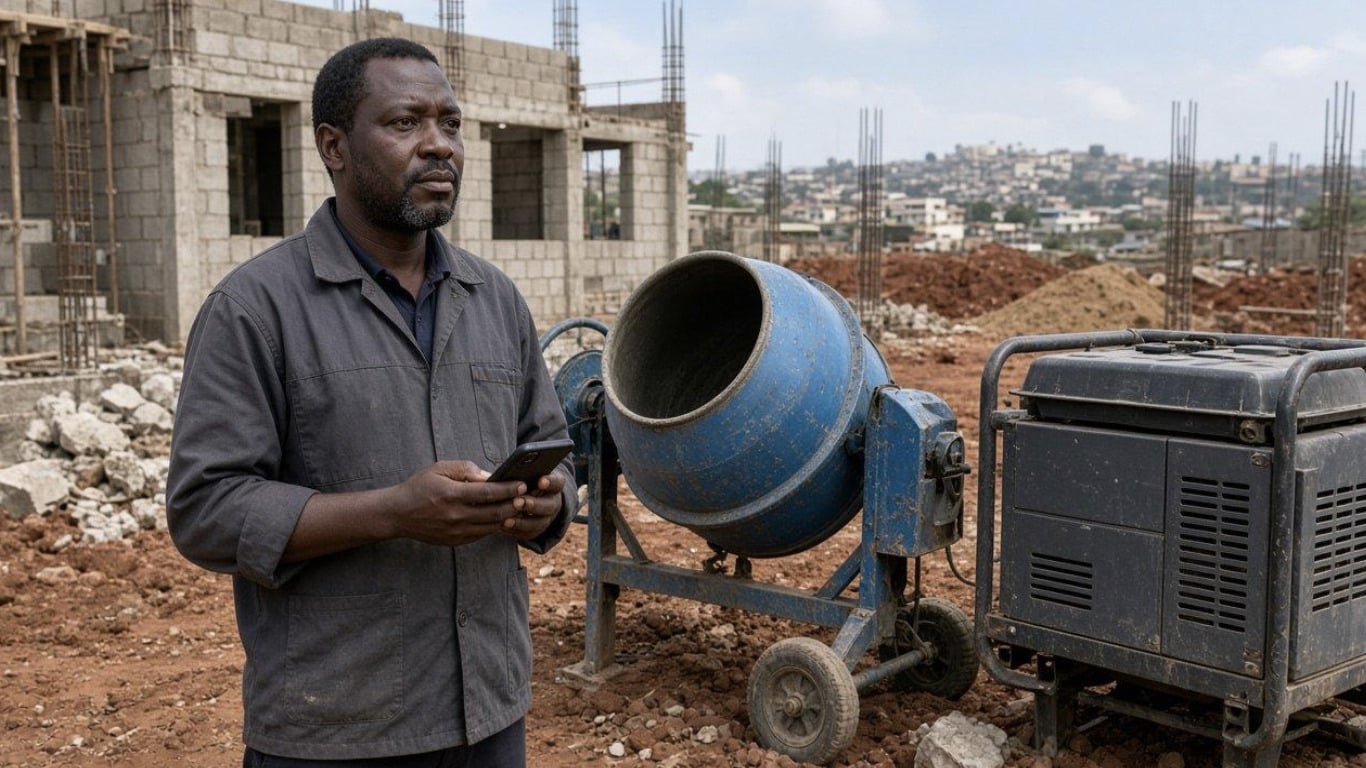
Kenya’s small and medium-sized enterprises are the backbone of the economy. They run construction crews, farms, events companies, workshops, logistics businesses and countless service firms. Many of these businesses depend on equipment: generators, vehicles, concrete mixers, tents, irrigation pumps, cold storage, sound systems and tools.
For a growing SME, the question of whether to buy or rent that equipment has a big impact on cash flow, borrowing and resilience. Increasingly, Kenyan entrepreneurs are choosing to rent, especially for equipment that is expensive, seasonal or needed only for specific contracts.
The Financing Reality for Kenyan SMEs
Access to credit remains one of the biggest challenges for small businesses. Lenders look closely at cash flow, records and the ability to repay. Recent discussion in the banking sector has highlighted how banks increasingly assess businesses on cash flow and contracts rather than collateral alone. This report on how Kenyan SMEs can qualify for bank financing explains what lenders now expect to see: clean records, real buyers and a clear repayment plan.
That shift is good news for disciplined businesses, but it also means that every shilling of debt needs to be justified by revenue. Buying a machine that sits idle for months weakens the cash flow story a lender wants to see. Renting, by contrast, ties equipment costs directly to paying work.
Interest rate conditions also matter. The Central Bank of Kenya sets the policy rate that influences what businesses pay to borrow. When borrowing is expensive, the case for renting instead of financing equipment purchases becomes stronger.
Why Renting Makes Sense for Many SMEs
It protects working capital. Cash stays available for materials, wages and the gap between delivering work and getting paid.
It matches costs to contracts. A contractor who wins a three-month project can rent equipment for exactly that period and price it into the quote.
It handles seasonal peaks. Agricultural businesses need certain equipment intensely during planting and harvest. Events companies need more tents and generators during the wedding season and the December holidays.
It reduces maintenance risk. Rental providers usually service their equipment and replace items that break down, which is valuable where repair skills and spare parts can be hard to find quickly.
It allows businesses to try before committing. An SME can test a new service, such as offering cold storage or catering, before buying equipment.
Sectors Where Rental Is Growing
Several sectors in Kenya show strong demand for equipment rental:
- Construction and real estate: excavators, compactors, scaffolding, mixers and generators for residential and commercial projects.
- Agriculture: tractors, planters, sprayers and irrigation equipment, often shared among smallholder farmers.
- Events: tents, chairs, décor, lighting, sound and power for weddings, funerals, corporate events and concerts.
- Logistics: vans, trucks and handling equipment for short-term contracts.
- Media and creative industries: cameras, lighting and audio gear for productions and content creators.
The Rise of Organised Rental Businesses
Equipment rental in Kenya has traditionally been informal. Many transactions happen through personal networks, phone calls and handwritten notes. That works for small volumes but creates problems as businesses grow: double bookings, disputes over damage, lost equipment and unclear payment records.
A new generation of rental companies is changing this by keeping digital rental records for every item: who has it, when it is due back, what condition it left in, what deposit was paid and whether the invoice is settled. Combined with mobile money payments, digital systems make renting more transparent for customers and much easier to manage for owners.
For rental business owners, digital records also strengthen the case for financing. A rental company that can show utilisation, revenue per item and payment history is far more “bankable” than one relying on memory and notebooks.
How to Decide: Rent or Buy
A practical decision process for Kenyan SMEs:
- Estimate real usage. How many days per year will you genuinely use the equipment?
- Calculate full ownership costs. Include purchase price, loan interest, insurance, servicing, repairs, storage, security and transport.
- Compare with rental costs at that usage. Get quotes from more than one provider.
- Consider risk. What happens if demand falls, the machine breaks down or you need a different model?
- Review annually. As the business grows, items you rent often may become worth buying.
Equipment used most days of the year may justify purchase or lease. Equipment needed occasionally or seasonally usually favours renting.
Tips for Renting Equipment Wisely
- Work with reputable providers who maintain their equipment.
- Agree the terms in writing, including damage, theft and late return charges.
- Inspect equipment on delivery and record its condition with photos.
- Clarify who pays for fuel, transport and operators.
- Pay on time and build a relationship; reliable customers get better rates and priority during busy periods.
Keep Records That Help You Later
Renting does not remove the need for good records. In fact, it creates an opportunity. An SME that keeps track of every rental, its cost and the contract it supported builds a clear picture of how equipment drives revenue. Over time, those records show which items are worth buying, which suppliers are most reliable and what each project really costs.
The same records support conversations with lenders. A business that can show regular contracts, consistent payments to suppliers and a clear link between equipment spending and income tells exactly the cash flow story that banks now look for. Simple habits, such as keeping all rental invoices in one place, paying through traceable channels and noting which job each rental supported, make a real difference when it is time to borrow for growth.
Opportunities for Entrepreneurs
The growth of renting also creates business opportunities. Entrepreneurs can start rental companies in niches such as event equipment, construction tools, agricultural machinery or camera gear. Success depends on choosing equipment with steady demand, maintaining it well, pricing carefully and running organised operations from the start.
Final Thoughts
For Kenyan SMEs, equipment decisions are financing decisions. Renting allows businesses to take on larger contracts, handle seasonal peaks and protect cash flow without heavy borrowing. As rental providers become more organised and digital, renting is becoming an even more practical way for small businesses to grow with confidence.
Kenyan Banks Shift to Cash-Flow Lending as Unsecured Loans Hit 73%
