



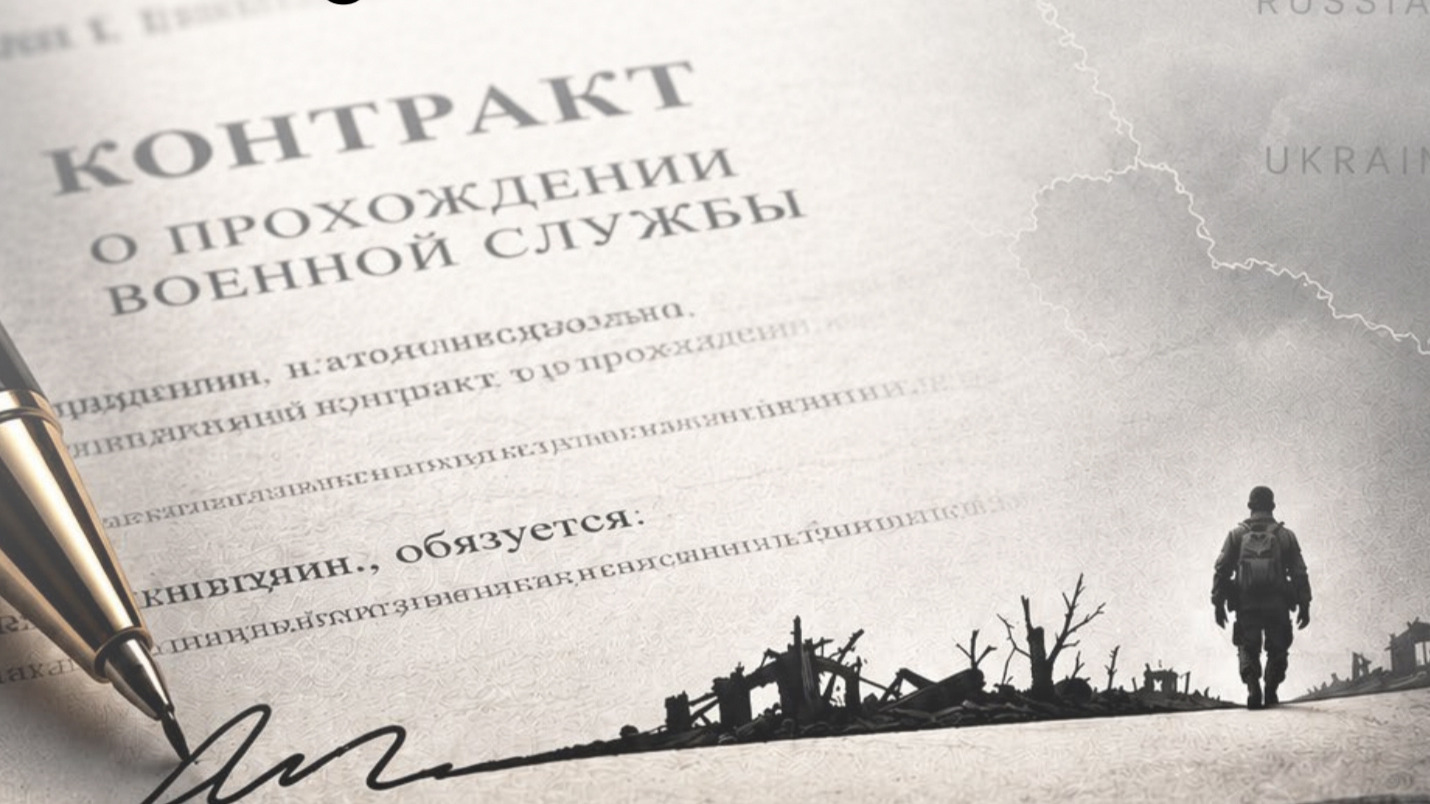
Journalists For Justice (JFJ), an investigative group based in The Hague, has identified at least 3,034 Africans from 40 countries who joined Russia’s armed forces since October 2022.
Its report, “The Death Contract”, says 502 of them were killed by the end of June 2026, and that recruitment agencies and brokers took more than US$50 million in fees from the men.
JFJ released the findings on 29 October 2026, the second day of the 3rd Russia-Africa Summit in Moscow between President Vladimir Putin and African leaders. Russian presidential aide Yuri Ushakov said 48 African countries confirmed attendance. Burundi’s President Évariste Ndayishimiye, who chairs the African Union, co-chairs the meeting with Putin.
Russia rejects the accusation of illegal recruitment. Its embassy in Nairobi said in February 2026 that foreign citizens may join its armed forces voluntarily, according to Reuters. Foreign Minister Sergey Lavrov told his Kenyan counterpart in March, “Russia is not forcing anyone to enlist”, Al Jazeera reported.
The figures in brief
JFJ treats every count below as a minimum. It says Russia has never published a full account of foreign enlistment.
| Measure | Figure |
|---|---|
| Africans identified in Russian service since October 2022 | 3,034 |
| Countries they come from | 40 |
| Deaths documented to end of June 2026 | 502, from 29 countries |
| African prisoners of war held in Ukraine, June 2026 | 32, from at least 15 countries |
| Agency and broker fees, JFJ estimate | More than US$50 million |
| Average time from arrival in Russia to death, hospital or capture (57 Kenyan families) | 44 days |
| Training given, 2023 and 2025 | Six weeks, then as little as three days |
| Africans placed on a Russian prisoner exchange list | None |
How the recruitment worked
Recruiters advertised civilian work: plant mechanic, driver, cook, security guard, factory hand. The agency contracts JFJ reviewed named no Russian military employer. The only pointer to Russia was payment in roubles.
Candidates flew on tourist or business visas, some issued within 36 hours, in groups of eight to 10. Routes ran through Istanbul, Dubai, Sharjah, Doha and Addis Ababa. Kenyan recruits held one way tickets, which the report says airlines and border officers should have queried.
On arrival, handlers took recruits to Promsvyazbank, a bank that serves the Russian military, to open accounts. Many signed powers of attorney that gave intermediaries access to their money. Recruits then signed a one year military contract in Russian, without a translation. The contract requires them to acknowledge 18 sections of Russian criminal law. Desertion carries seven to 10 years in prison. Commanders took passports.
Kenyan prisoner of war Evans Kibet told JFJ: “This is a death contract.”
The time between landing and the front shrank. Early recruits trained for up to six weeks in 2023. A Kenyan recruit trained for three days in 2025. JFJ’s survey of 57 Kenyan families found an average of 44 days from arrival to death, hospital or capture.
Where the money went
JFJ reviewed the contract of Global Face Human Resources Limited, a licensed Kenyan agency. It sets a fee of 1 million to 1.4 million roubles (US$11,700 to US$16,500), deducted from the recruit’s Russian bank account within 35 days of signing. The report puts that at 58 to 66 per cent of the signing bonus.
Kibet’s case shows the split.
| Item | Roubles | US dollars |
|---|---|---|
| Signing bonus promised | 1.9 million | 22,484 |
| Taken by agents on signing | 1 million | 11,834 |
| Left for the recruit | 900,000 | 10,650 |
Recruits also paid before leaving: KSh50,000 to KSh200,000 in Kenya, and US$5,000 to US$7,000 in Ghana, Sierra Leone and Cameroon. Sanctions on Russian banks blocked transfers home, so wages sat in accounts many recruits could not use.
JFJ estimates that about 500 Kenyans passed through Global Face between May 2025 and February 2026. It puts the agency’s possible earnings at US$8.25 million in the report and US$8.9 million in its press release. A Global Face director, Festus Omwamba, was charged with trafficking on 24 February 2026. He pleaded not guilty and was released on KSh5 million bail.
Country by country
| Country | Recruits identified | Deaths documented |
|---|---|---|
| Kenya | 841 | 76 |
| Egypt | 407 | 81 |
| Cameroon | 383 | 104 |
| Ghana | 337 | 85 |
| Nigeria | 214 | 24 |
| Uganda | 108 | 3 |
| South Africa | 69 | 10 |
| Sierra Leone | 13 | 5 |
The routes into the war differ by country. In Cameroon, serving soldiers deserted to enlist: a private earns about US$85 a month, and the Russian offer was at least US$2,000. In Egypt, recruiters approached students facing visa expiry and prisoners. In Ghana, recruits paid their own way. In South Africa, a sitting member of parliament travelled to Russia with 22 recruits in July 2025.
Governments count differently. Kenya’s intelligence service told Parliament in February 2026 that more than 1,000 Kenyans had been recruited, five times the earlier estimate. JFJ confirms 76 Kenyan deaths. The government admits 19. Cameroon named 16 dead in April 2026. Ukrainian data records 104.
What governments have done
Kenya. Foreign Minister Musalia Mudavadi went to Moscow in March 2026. Russia agreed to stop enlisting Kenyans through its Ministry of Defence. JFJ says the pledge does not appear to cover private firms that supply the war, such as the Alabuga drone plant in Tatarstan. Kenya reported 53 nationals repatriated by May. It has cited Section 68 of the Penal Code, which bars enlistment in a foreign force without presidential approval, to deny compensation claims. The section gives a defence if the enlistment was not voluntary. JFJ says no official named in Parliament has been prosecuted, and that the Global Face director faces trafficking charges, not a Section 68 charge.
Other states. Ghana’s foreign ministry called the trafficking “youth enlistment”. South Africa thanked Russia for returning some of its citizens. Egypt required security clearance for citizens aged 18 to 35 who travel to Russia or Ukraine. India reports 139 repatriations after pressing Moscow directly.
African Union. JFJ found no resolution or statement from the AU as of July 2026. The European Parliament adopted a resolution on 12 March 2026 that condemned the recruitment as trafficking.
Prisoners. No African government has completed the release of a citizen from Ukrainian custody. Ghana announced an agreement with Kyiv to return two prisoners. As of 30 July, one of them was still waiting.
What Amnesty International found
Amnesty International reached the same legal conclusion in a briefing published on 10 September 2026. It said Russia used deceptive, coercive and exploitative practices, and that in many cases the conduct amounts to human trafficking under the UN Palermo Protocol, which Russia has ratified. Secretary General Agnès Callamard said Russia used economically vulnerable foreigners as “cannon fodder”.
Amnesty interviewed prisoners of war at two Ukrainian camps between 2024 and 2026, plus relatives, lawyers and recruits still serving. The recruits came from Brazil, Colombia, Cuba, Egypt, Sierra Leone, Sri Lanka, Somalia and South Africa. Of 15 prisoners from outside Russia, only three said they knowingly signed a military contract and understood they would go to the war zone.
Amnesty found that recruits lost passports and phones during training, that promised pay often did not arrive, and that some reached the front after about two weeks. One South African applied online to drive a truck in Poland. His wife told Amnesty he was flown to Moscow and told he was now a soldier.
Amnesty cites Ukrainian data of 28,391 foreign nationals from 136 countries in Russian forces by April 2026. It cannot interview prisoners held by Russia, which labels the group a “foreign agent”. Russia did not reply to its request for comment, Euronews reported.
A third count points the same way. The tracker Stop Russian Recruiters lists 2,984 Africans from 40 countries and 485 confirmed dead, against JFJ’s 3,034 and 502.
What it means
For a job seeker. The report lists the warning signs: pay quoted in roubles, no named employer, a one way ticket, cash demanded at the airport, advice to declare less money at the border, a handler who keeps your passport, and papers you cannot read. A licence is not proof of safety. Global Face held one. The National Employment Authority register showed 569 licensed agencies and 786 with expired licences in March 2026.
For a family. Families learned of deaths from social media and WhatsApp. Brokers then offered to chase Russian compensation for up to 30 per cent, with no verified mandate, and asked for passports and DNA. The Red Cross has warned of scammers posing as its staff. Kenya’s Principal Secretary for Diaspora Affairs, Roseline Njogu, told families the state depends on Moscow for news of each recruit.
For markets and migration policy. Remittances brought Kenya about US$5 billion in 2024, 4.2 per cent of GDP and the country’s largest source of foreign exchange. The state’s Kazi Majuu programme aims to place one million Kenyans in jobs abroad each year. JFJ says licensed agencies working under that framework sent men to the front. Labour export earns dollars, and it needs checks on each employer and each route.
For diplomacy. The Moscow summit is due to approve an action plan for 2027 to 2029, according to Russian and African Union officials. JFJ says the recruitment of Africans “should form part of that conversation”.
For recruits who return. Kenyan law sets up to 10 years in prison for knowing enlistment in a foreign force. JFJ argues that deceived men are trafficking victims and should not face punishment. Kenya told Parliament in April 2026 that it would extend an amnesty to those who left voluntarily, while warning of future prosecution. JFJ found no law in the listed countries that allows an amnesty.
What to watch. The first one year contracts signed in 2025 begin to end this month. Russia’s exclusion list leaves out Malawi, Zambia, Zimbabwe, Botswana, the Democratic Republic of Congo, Côte d’Ivoire, Togo and Benin, and JFJ says recruiting has moved there.
Bibiana Waithaka learned on 24 January 2026 that her son Charles had died in Russia. She found out online. “The whole world knew that my son was dead before his own mother did.” His body has not come home.
