



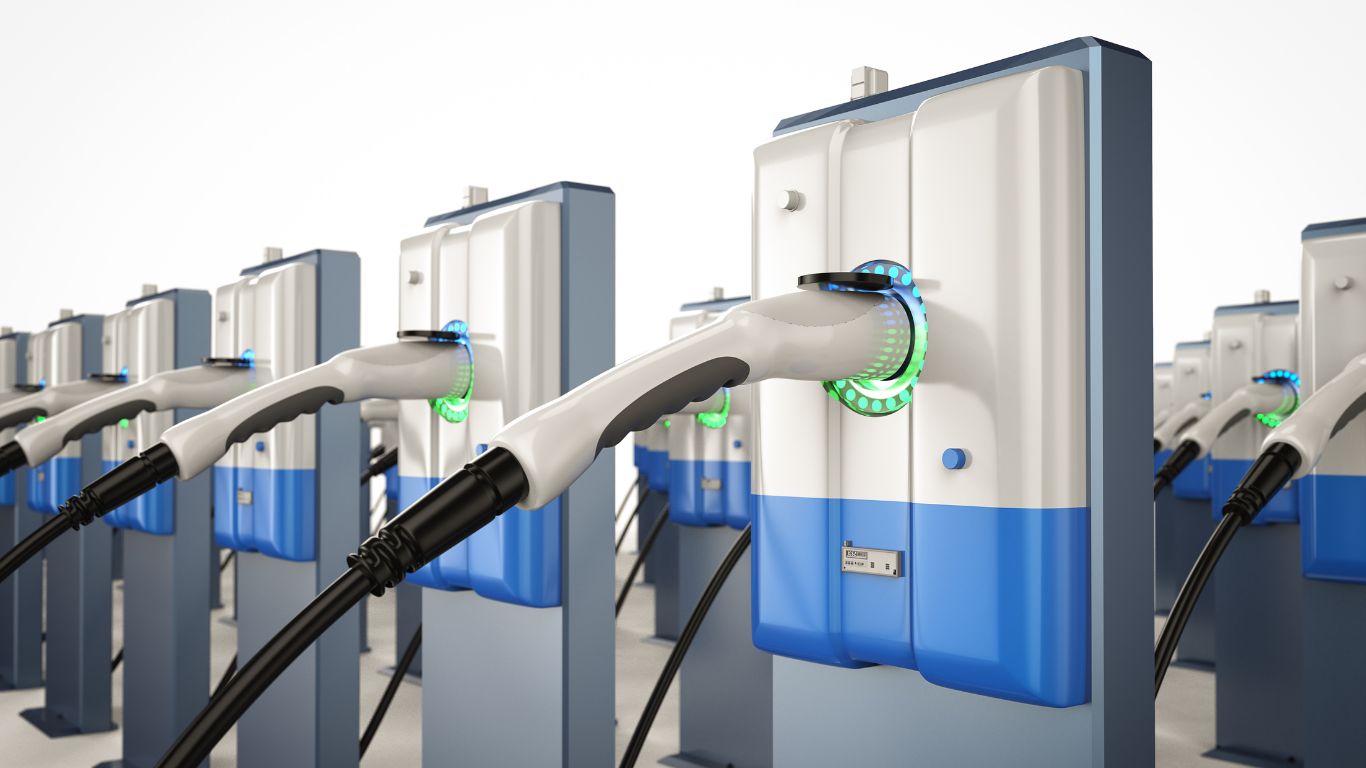
Kenya’s energy regulator has removed the consumption ceiling that limited how much power electric vehicle charging stations could draw under the country’s special e-mobility tariff, a move industry players are calling a turning point for EV adoption in the country.
The Energy and Petroleum Regulatory Authority (EPRA) published the change in Gazette Notice No. 15188 on 18th September 2026, amending the Schedule of Tariffs it first issued in 2023. Under the previous framework, e-mobility customers fell under the same consumption bands as small commercial users, where charges rose once a customer crossed 15,000 kilowatt hours in a month. The new notice strips that ceiling from the e-mobility category entirely.
The updated tariff schedule now reads:
“METHOD EM: Applicable to E-mobility consumers for supply provided and metered by the Company at 240 or 415 volts per Post-paid Billing or Pre-paid Units Purchase Period.”
Under this method, EV consumers will pay Ksh 16 per unit for power drawn during normal hours, and Ksh 8 per unit, half the standard rate, for electricity consumed during off-peak periods. Because no upper limit now applies to the category, high-volume users such as public charging hubs and fleet depots can scale up consumption without being pushed into a costlier billing bracket.
Why the cap mattered
Kenya Power meters domestic and small commercial customers using tiered consumption bands. A small commercial customer, for instance, moves through three categories based on a three-month rolling average of electricity use:
| Category | Consumption Band |
|---|---|
| SC1 | Up to 30 kWh |
| SC2 | 30 to 100 kWh |
| SC3 | 100 to 15,000 kWh |
Before this amendment, e-mobility accounts tracked a similar structure, which meant a busy charging station could breach the 15,000 kWh mark within weeks and lose access to preferential rates. Removing that ceiling lets charging infrastructure grow with demand instead of being penalised for it.
Other changes in the notice
EPRA bundled several other adjustments into the same gazette notice. Small commercial, e-mobility and industrial customers in categories CI1 through CI7 will now have their energy consumption threshold set using the average of their first three months of billing, rather than a fixed figure. Customers in those same categories that run at full production capacity during both peak and off-peak hours will also qualify for a 5 percent discount on off-peak energy rates, once Kenya Power confirms their output.
The regulator also introduced formal definitions for net metering and power dumping. Net metering consumers who generate their own renewable electricity and export surplus power to the grid will be credited for half of what they export, with the balance billed at the standard tariff. Any electricity fed into the network without prior written approval will now be classified as dumping and billed at the full base tariff, regardless of whether the consumer holds a net metering agreement.
The amendments take effect retroactively from 1st July 2025 and were signed off by Ag. Director-General Dr Joseph Oketch.
What it means for the EV sector
Kenya has positioned electric mobility as a pillar of its transport decarbonisation plans, and Khusoko has previously reported on the growth of e-mobility financing and charging infrastructure across the country.
Removing the consumption cap addresses a concern operators had raised directly with the regulator: that success in the charging business could itself trigger higher costs. With the ceiling gone, companies building out charging networks for boda bodas, buses and passenger vehicles now have more room to expand without the tariff structure working against them.
