



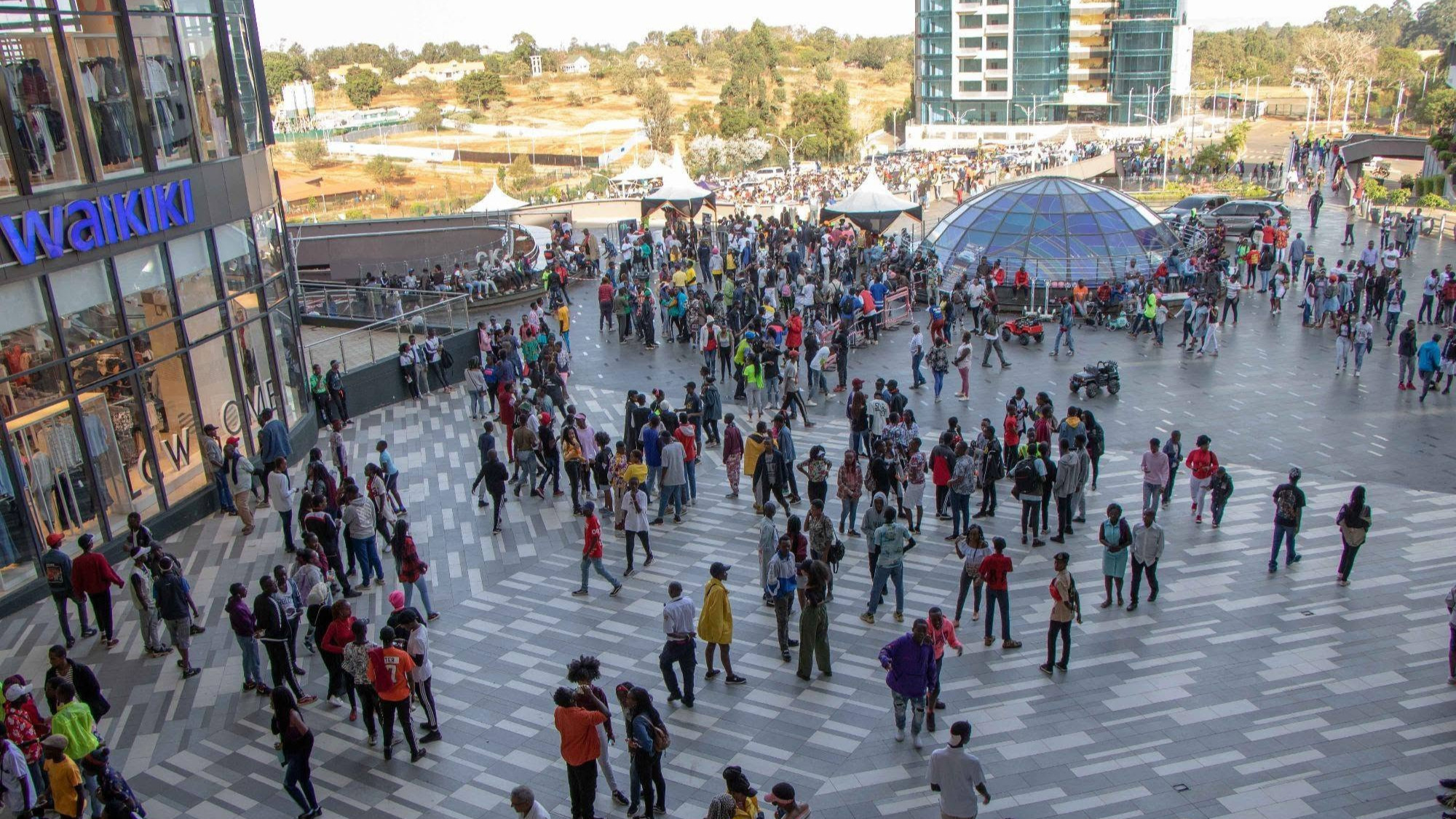
Kenya’s shopping centres are finding new tenants in unlikely places. As shoppers pull back on discretionary spending, pharmacies, car dealerships and family entertainment venues are stepping in to fill the gap left by struggling department stores and fashion retailers.
That is the picture painted by Knight Frank’s H1 2026 Kenya Market Update, which tracks a market under pressure from public demonstrations, rising prices and a weaker consumer wallet.
Developers are responding by moving away from big regional malls and building smaller, neighbourhood focused centres instead. Petrol station complexes, redeveloped city centre buildings and community malls are now attracting a wider mix of businesses chasing everyday spending close to where people live.
Pharmacies Are the Fastest Growing Tenants
Healthcare retail has become one of the busiest categories in Kenyan commercial property. Pharmacies and outpatient clinics are opening inside shopping centres and residential neighbourhoods, drawn by steady foot traffic and easy access to households.
Goodlife Pharmacy crossed 150 outlets nationwide during the review period. The chain has grown rapidly since its 2014 launch, and CFAO Healthcare completed a full buyout of the business in mid 2025, giving the pharmaceutical distributor a direct route into East Africa’s retail health market. Equity Afya and Gertrude’s Children’s Hospital also expanded their outpatient networks over the period, while online pharmacy MYDAWA said it would invest further in its digital and physical fulfilment model.
Knight Frank notes that pharmacies and clinics are increasingly taking space next to supermarkets and other essential service businesses. That pairing suits landlords well. These tenants draw repeat visits and hold up better than fashion or electronics stores when household budgets tighten.

Car Dealers and Family Fun Centres Fill the Gap
Automotive businesses are also absorbing more retail space. Dealerships and service centres are expanding their showrooms and workshops as vehicle ownership rises and drivers seek more after sales support. These occupiers work best in roadside developments and mixed use schemes with strong visibility, parking and room for servicing bays.
Leisure operators are doing similar work for landlords struggling to fill large format retail space. At Promenade Mall on Rhapta Road, the opening of Smash & Play, a family entertainment venue with bumper cars, mini golf and virtual reality, shows how experience led retail can keep shoppers on site longer.
Mid sized malls in particular are leaning on entertainment and dining to hold onto weekend and holiday footfall.
A Difficult First Half for Traditional Retail
The rise of these alternative occupiers comes against a tough backdrop. Recurrent public demonstrations disrupted trading through the first half of 2026 and kept some shoppers away from malls altogether. Rising prices squeezed household budgets further, pushing both retailers and landlords toward value and convenience rather than discretionary spending.
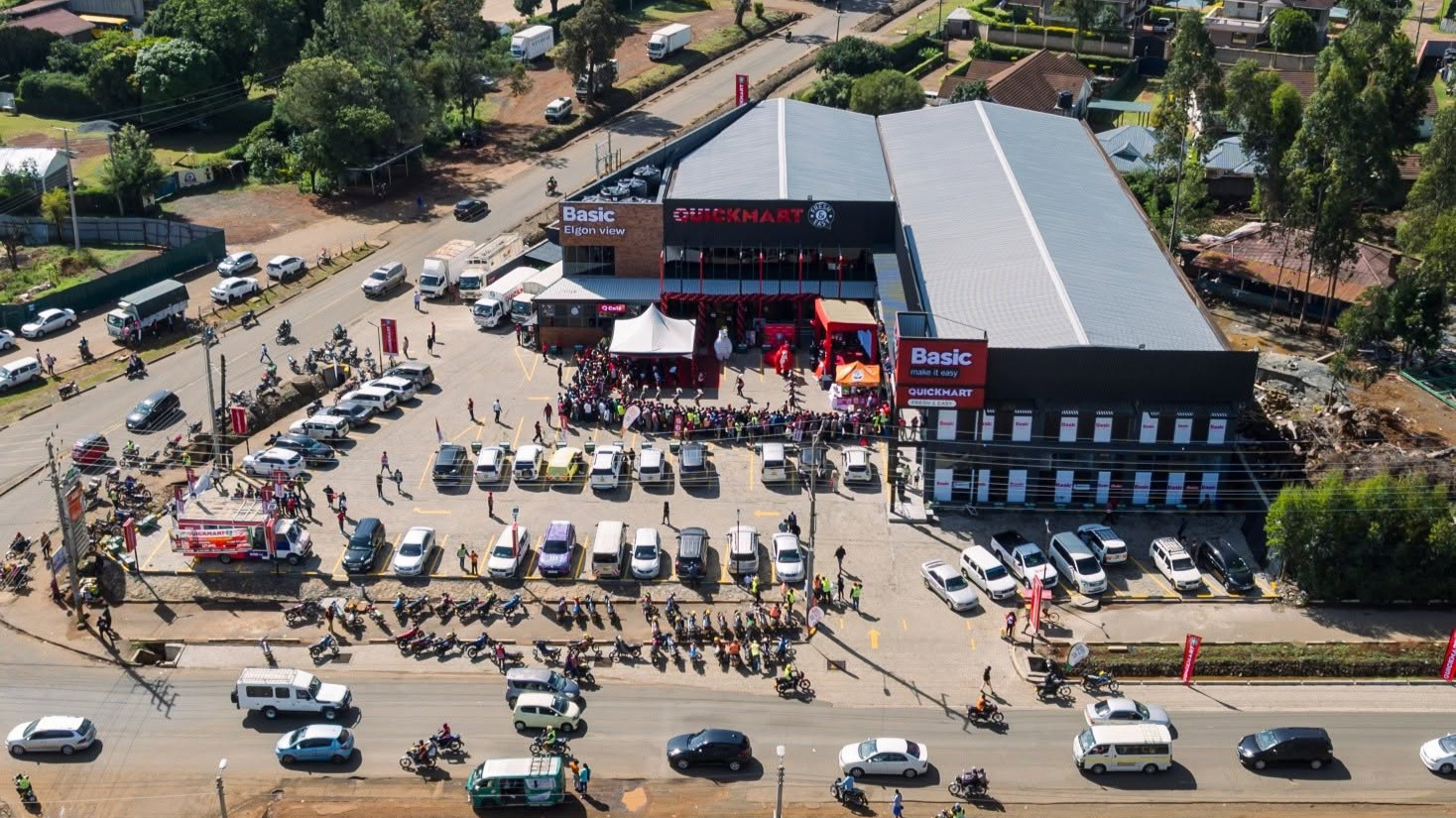
Supermarket chains responded by moving closer to residential areas and adjusting store formats. QuickMart opened its 67th and 68th branches at Basic Elgon View in Eldoret and along Ngong Road, continuing an expansion drive that has also seen the retailer launch its own e-commerce platform, Q-Soko, to compete for online grocery shoppers.
Naivas opened its 114th store at Ruaka Mall, building on a run that saw it become the first Kenyan supermarket chain to pass 110 stores in early 2025.
Jaza Supermarket added at least six neighbourhood outlets aimed at middle and lower income households, and Uchumi reopened branches at Lang’ata Hyper and Unicity Mall as part of its turnaround plan.
Premium Malls Still Draw International Brands
Grade A shopping centres continued to attract international names even as the wider market chased affordability.
Nike opened at Sarit Centre, while Lovisa, Town Team, Aboosto and Big Knife launched stores at Junction Mall. Hippopick Mart opened at Cedar Mall.
These openings show that established, well located malls still pull in brands serving middle and upper income shoppers, regardless of pressure elsewhere in the market.
Nairobi’s City Centre Gets a Makeover
The exit of large anchor tenants such as Tuskys continues to reshape retail in Nairobi’s Central Business District. Simara Mall on Tom Mboya Street reopened as a stall based retail hub after redevelopment of the former Tuskys anchored property, which had been one of the chain’s last remaining branches in the city centre before its collapse.
The conversion reflects rising demand for smaller, flexible units suited to traders and informal businesses. It also shows how older buildings once built around a single large retailer are being repositioned for a more fragmented occupier base.
Online Shopping Is Reinforcing the Case for Physical Stores
E-commerce is adding another layer to this shift rather than replacing it. Improving internet access and wide mobile money adoption are driving online shopping growth.
Kenya’s mobile money subscriptions alone reached 51.4 million by the end of 2025, underpinning the digital payments that support online retail.
Retailers are increasingly blending online ordering with physical stores, click and collect services and home delivery. That leaves neighbourhood outlets doing double duty: serving walk in shoppers while also acting as collection points and last mile fulfilment hubs.
Location keeps its value in this model, particularly in dense residential areas where retailers need to reach customers quickly.
What This Means for Landlords
Kenya’s retail property owners are learning to live with a smaller pool of large format tenants and a larger pool of everyday service businesses.
Pharmacies, clinics, car dealers, gyms and entertainment operators cannot replace the scale of a departed department store overnight. But together they are proving more resilient to the swings in discretionary spending that have defined the past year, giving landlords a more diverse and arguably sturdier base of income as Kenya’s consumers keep a closer eye on their wallets.
Notable retail openings and expansions, H1 2026
| Brand | Sector | Location | Detail |
|---|---|---|---|
| Goodlife Pharmacy | Healthcare | Nationwide | Passed 150 outlets |
| MYDAWA | Healthcare, e-commerce | Nationwide | Expanded omnichannel investment |
| Smash & Play | Leisure | Promenade Mall, Rhapta Road | New family entertainment hub |
| Nike | Fashion | Sarit Centre | New store |
| Lovisa, Town Team, Aboosto, Big Knife | Fashion, retail | Junction Mall | New stores |
| Hippopick Mart | Retail | Cedar Mall | New store |
| QuickMart | Supermarket | Eldoret and Ngong Road | 67th and 68th branches |
| Naivas | Supermarket | Ruaka Mall | 114th store |
| Jaza Supermarket | Supermarket | Various | Six new neighbourhood outlets |
| Uchumi | Supermarket | Lang’ata Hyper, Unicity Mall | Reopened branches |
| Simara Mall | Mixed retail | Tom Mboya Street | Reopened as stall based hub |
Source: Knight Frank Kenya, H1 2026 Market Update
