


I&M Bank is rolling out a new digital trade finance platform, aiming to cut the paperwork and delays that slow down cross border business across East Africa.
The bank has partnered with global trade finance technology provider Surecomp to deploy an integrated platform that brings different stages of a trade transaction into one digital system. The rollout starts in Kenya before extending to Tanzania, Rwanda, Uganda and Bank One in Mauritius.
Why The Bank Is Investing Now
Businesses want faster, simpler ways to manage trade transactions, and I&M Bank says the new system responds directly to that demand. According to the lender, the platform will reduce reliance on manual processes and paperwork while improving turnaround times for customers handling trade transactions across its markets.
The technology also supports the bank as trade volumes grow across the region, strengthening operational efficiency alongside risk and compliance processes.

Carolyne Mulandi, I&M Bank’s Head of Trade and Financial Institutions, said the investment reflects the bank’s focus on improving the trade experience for businesses while building stronger regional capabilities.
“For our customers, trade is ultimately about being able to move goods, make payments and do business efficiently. As their businesses grow and increasingly operate across markets, they need their bank to keep pace with them,” Mulandi said.
“This investment is about simplifying that experience, reducing turnaround times and giving our customers a stronger trade finance partner across the region.”
What Is Trade Finance
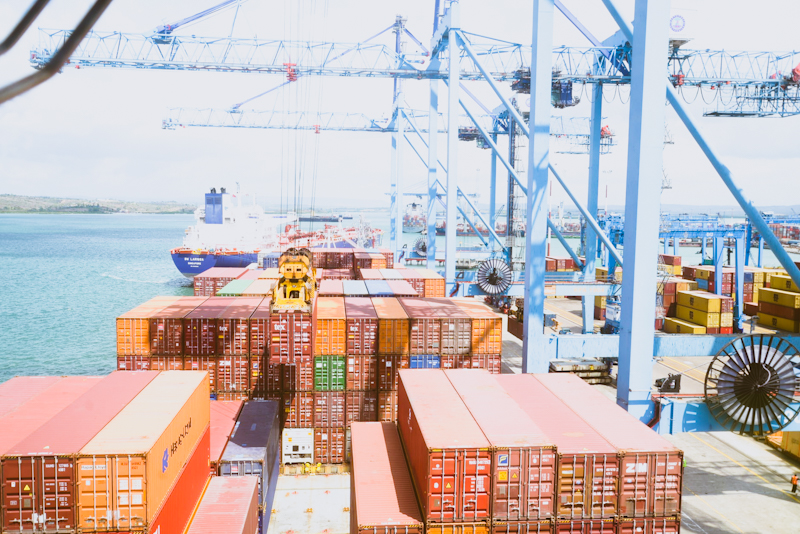
Trade finance covers the tools banks use to bridge the gap between a business paying for goods and services and actually receiving payment for them. It involves four parties: a buyer, a seller, goods or services, and a lender who funds the trade.
A simple example: a Kenyan business agrees to buy toys from a supplier in China. The buyer approaches a bank, agrees terms, and the bank pays the supplier once the goods ship. The buyer repays the bank once the toys arrive and are sold. This removes the standoff where the seller wants payment before shipping and the buyer wants proof of shipping before paying.
I&M Bank says trade and supply chain finance underpins between 80 and 90 percent of global trade, a market it estimates at around $10 trillion a year. The bank’s main products include letters of credit and letters of guarantee, alongside bonds, documentary collections and invoice discounting.
The gap is not evenly distributed. Separate research by the African Development Bank has put Kenya’s unmet demand for trade finance at close to $3 billion, among the highest in East Africa, driven largely by the size of the country’s import and export volumes. That gap is part of what platforms like the one I&M Bank is deploying are meant to narrow, by making it cheaper and quicker for banks to process trade transactions at scale.
The Technology Behind The Rollout
Through the partnership, I&M Bank will deploy Surecomp’s DOKA NG and RIVO solutions to support the digitization of its trade finance operations. The technology will let the bank streamline trade processing and provide a more consistent experience as the rollout extends across its regional network.
This is not I&M Bank’s first attempt at digitizing customer facing operations. The bank previously partnered with Backbase to launch I&M On The Go, an omni channel platform covering mobile and internet banking, as part of its broader push to place digitization at the center of its growth strategy.
Tal Weiser, Surecomp’s Chief Revenue Officer, said the partnership with I&M Bank reflects a wider trend among African banks toward using cloud based, software as a service technology to make trade finance more accessible and scalable.
“We are pleased to support I&M as it strengthens its trade capabilities across the region and creates a more seamless experience for its customers,” Weiser said.
What Comes Next
The rollout forms part of I&M Bank’s wider investment in technology and digital capabilities to support customers operating within and across African markets. It also lands at a moment when regional banks are competing to close financing gaps for businesses trading across borders. Co operative Bank of Kenya, for one, has previously secured a multi year facility from a consortium led by DEG to expand lending to small and medium enterprises, many of which rely on trade finance to move goods across the region.
For businesses in Kenya, Tanzania, Rwanda, Uganda and Mauritius, the practical test will be whether the new platform actually shortens the time between placing an order and getting paid, the gap that trade finance exists to close in the first place.
