



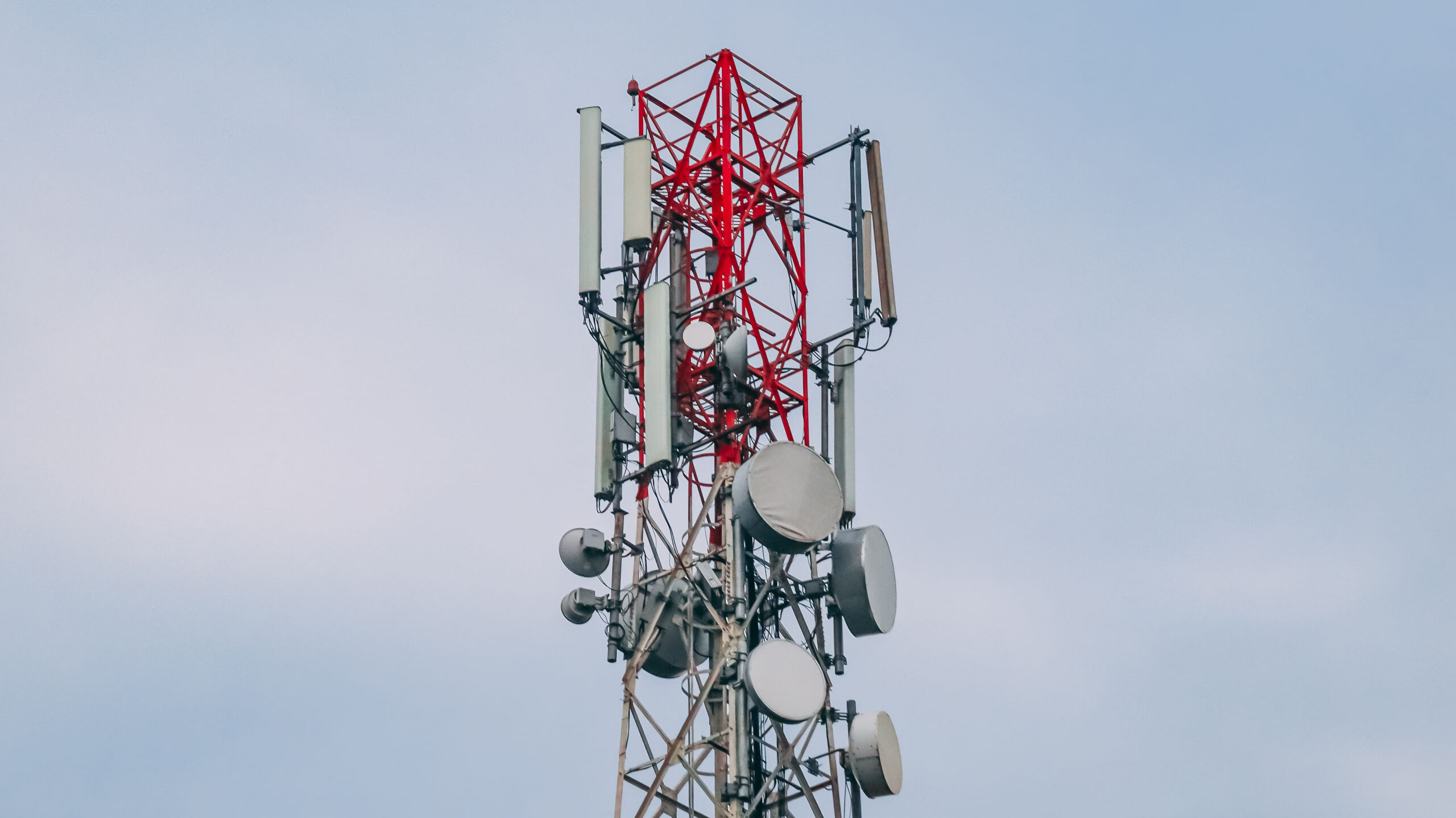
Rwanda’s Ministry of ICT and Innovation (MINICT) announced on July 27 that 3G services will be switched off nationwide by June 30, 2027. 2G will follow, with the timeline subject to a readiness assessment. The Rwanda Utilities Regulatory Authority (RURA) is coordinating the transition with mobile network operators, government institutions and the private sector.
The decision follows a Cabinet meeting chaired by President Paul Kagame on July 24, which received a briefing on the plan to modernize telecom infrastructure from 2G and 3G to 4G and 5G. The shutdown is part of Rwanda’s ICT Sector Strategic Plan 2024-2029.
Government Data Behind The Timeline
According to GSMA data cited in the announcement, 87% of Rwandans have access to a mobile network, and 79% have a broadband connection.
RURA’s Q1 2026 sector data puts active mobile subscriptions at approximately 13.3 million, split roughly 64% to MTN Rwanda and 36% to Airtel Rwanda. MTN, the market leader, reported 4G population coverage of 94.8% as of the end of Q1 2026. MTN has offered commercial 5G service since June 2025, initially in Kigali and other high demand areas.
Smartphone ownership stands at around 34% of the population, and mobile internet usage sits at roughly 20%, according to figures cited in the announcement’s coverage. Average handset prices near $160 remain a barrier for low income and rural households, leaving a portion of subscribers reliant on 2G and 3G for voice calls and USSD based mobile money.
What MINICT Told Businesses
MINICT has directed businesses and public institutions running systems on 2G or 3G, including mobile money, payment platforms, utilities, transport, healthcare, public safety and government services, to begin planning upgrades ahead of the cutoff. The ministry said additional technical guidance for service providers will follow as the migration progresses.
Readiness Indicators And Pilot Shutdowns
MINICT said the pace of the 2G and 3G retirement will depend on several readiness indicators: nationwide 4G coverage, uninterrupted voice calls, text messaging, mobile money and emergency communications, migration of services still running on older networks, and availability of affordable 4G compatible devices.
Pilot shutdowns of older networks will begin later in 2026, alongside continued 4G infrastructure expansion, ahead of the nationwide 3G switch-off in mid-2027. Some industry reports have cited a provisional December 2028 target for full 2G retirement, though MINICT has described that step as conditional on the readiness benchmarks rather than fixed.
Context
Rwanda’s move follows a pattern already underway in Europe, where operators have retired 3G networks to reallocate spectrum to 4G and 5G. Rwanda commissioned a German backed technical assessment of the phased shutdown in late 2024. ICT Minister Paula Ingabire met device importers and private sector stakeholders in March 2026 to discuss expanding access to affordable 4G capable handsets, building on the government’s Connect Rwanda smartphone access campaign.
