



Aliko Dangote has put a number on East Africa’s biggest industrial gamble. A spokesman for Dangote Industries has confirmed that the refinery planned for the Kenyan coast will cost as much as 17 billion dollars, according to Bloomberg, ending months of speculation over the true scale of the project.
A Pledge Years in the Making
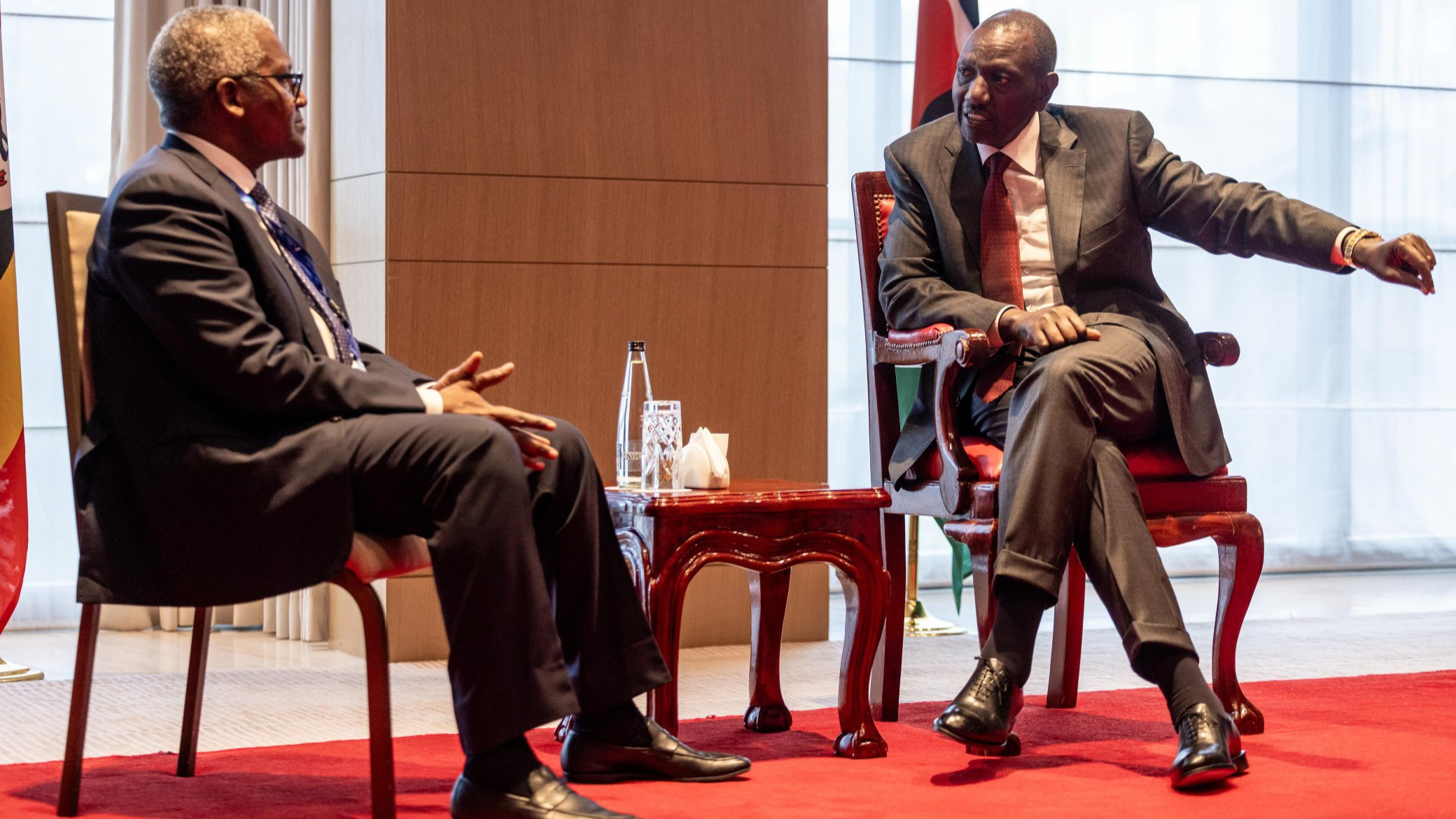
The confirmation traces back to a promise Dangote made in person. He pledged to the leaders of Kenya and Uganda that he would build a replica of his 700,000 barrel a day refinery outside Lagos in East Africa, and Bloomberg reports construction would take about five years once it begins. That timeline places first output well into the next decade, a reminder that headline figures rarely translate into quick fuel security.
From Tanga to Mombasa
The project did not start in Kenya. It began in Tanzania. President Ruto first unveiled the plan at the Africa We Build Summit in Nairobi in April, proposing a joint refinery at Tanga that would process crude from the Democratic Republic of Congo, Kenya, South Sudan and Uganda. Weeks later, Dangote shifted his preference to Mombasa, citing port depth and market size as the deciding factors.
Tanzania’s president publicly objected, saying she had not been consulted before the announcement went public. The diplomatic strain that followed pushed the investment decision back into the open, and Kenya emerged as the frontrunner once Ruto backed Mombasa over Tanga.
Khusoko has tracked Mombasa’s rising importance as an energy and logistics hub through its coverage of the Berth 19B expansion at the Port of Mombasa, a project that would gain new relevance if a refinery of this size lands nearby. The two developments sit on the same coastline and point toward the same ambition: turning Mombasa into the anchor of East Africa’s fuel supply chain.
Why the Region Wants This
East Africa imports nearly all the refined fuel it burns, mostly from the Middle East, leaving it exposed every time global supply tightens. Kenya sources roughly 90 percent of its fuel needs from abroad, a dependence that shows up directly in transport costs, food prices and industrial output whenever markets wobble.
The closure of the old Kenya Petroleum Refineries plant at Changamwe in 2013 left the country without domestic refining capacity at exactly the moment demand kept climbing.
A Mombasa refinery would not operate in isolation. Uganda is advancing its own 60,000 barrel a day plant in Hoima, tied to the East African Crude Oil Pipeline, and Kenya’s Turkana fields remain a domestic crude source that has yet to find a home in regional refining.
Analysts have also flagged a supply gap: the countries named as crude suppliers for the Dangote project can currently produce a combined output far below the plant’s proposed capacity, meaning the refinery would need imported crude to run at scale even after it is built.
What Still Has to Happen
Dangote has been direct about his conditions. He wants land, a financial contribution from regional governments and protection against cheap refined fuel entering the market from Russia and India. Without that protection, he has argued, no refinery can survive on its own. Kenya has already set aside seed capital toward the project, and the final decision on location and funding now rests largely with Nairobi.
None of this guarantees the refinery gets built. Financing at this scale, environmental clearance and coordination across four governments are still unresolved. But the number is no longer speculation. Dangote has said 17 billion dollars out loud, and East Africa’s energy planners now have a figure to plan around, whether the project breaks ground on schedule or not.
