



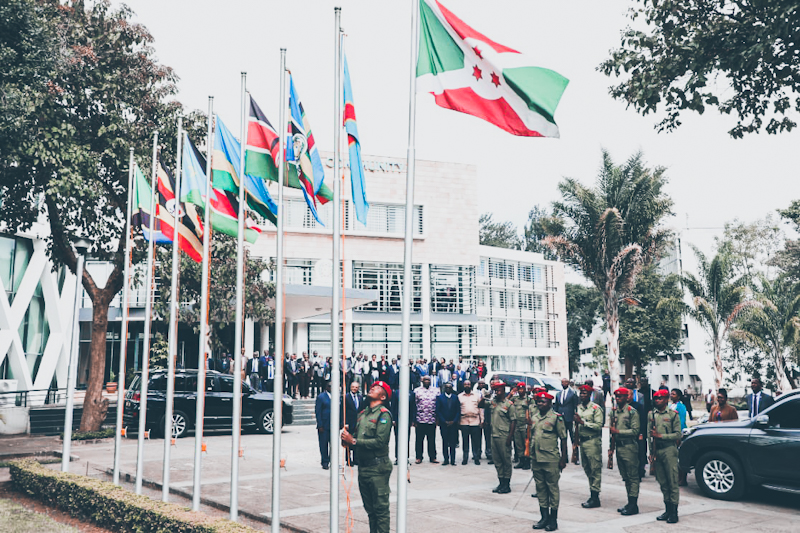
One theme runs through every market this week: the cost of being connected to a disrupted world. Here is what every East African decision-maker needs before the market opens.
THE MACRO FRAME
The Strait of Hormuz crisis is hitting fertiliser, fuel, and food prices from Bujumbura to Addis Ababa. Against that, the region’s own story — digital finance acceleration, banking consolidation, mineral wealth, and trade integration — is arguably the strongest counter-narrative in global emerging markets right now.
Kenya
KEY NUMBERS
| INDICATOR | VALUE | NOTE |
| Exchange Rate | KES 129.55 / USD | Stable vs historic 2023–24 depreciations |
| Inflation (Apr) | 5.59% | EPRA fuel prices held steady |
| CBK Policy Rate | 8.75% | Further cuts of 25–75bps expected in 2026 |
| NCBA Deadline | 10 July 2026 | Shareholder acceptance deadline for Nedbank deal |
| Deal Value | $170M+ | Cash & stock to Kenyatta & Ndegwa families |
| NCBA Assets | $5.4B | To transfer to Nedbank post-approval |
| NCBA Customers | 60M+ | Across Kenya, Tanzania, Uganda, Rwanda |
CURRENCY
The shilling opened June at KES 129.55 against the dollar — a period of stability compared to the historic depreciations of 2023 and 2024. Inflation stood at a manageable 5.59% in April 2026, with EPRA maintaining steady fuel prices that have kept transport fares and manufacturing costs in check.
THE BIG DEAL — NCBA / NEDBANK
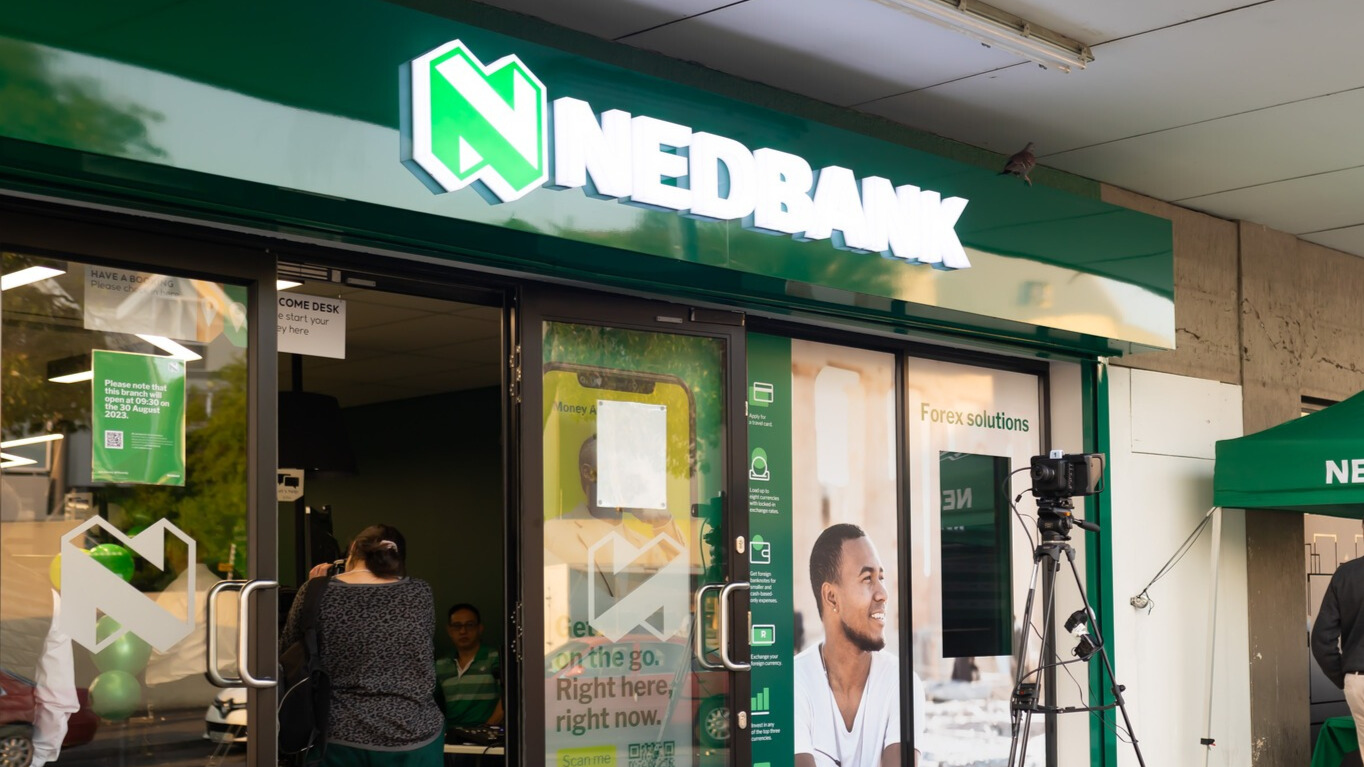
July 10 is the NCBA shareholder acceptance deadline for the Nedbank takeover — the last meaningful decision point before the transaction closes. Central bank approvals across Kenya, Tanzania, Uganda, and Rwanda remain outstanding. The deal brings Nedbank more than 60 million customers, $5.4 billion in assets, and leadership in asset finance and digital banking.
The combined deal would bring Nedbank more than 60 million customers, $5.4 billion in assets, and leadership in asset finance and digital banking across East Africa.
WATCH THIS WEEK All analysts expect the CBK to cut rates a further 25–75 basis points in 2026. Fed easing gives the CBK room to act without pressuring the shilling. Any CBK communication this week moves the bond market.

Tanzania STABLE
KEY NUMBERS
| INDICATOR | VALUE | NOTE |
| DSEI Index | 3,836 | Broadly bearish sentiment despite volume rebound |
| DSE Turnover Wk19 | TZS 18.97B | +44.70% week-on-week |
| Inflation | 3.20% | Most stable in the region |
| BoT Policy Rate | 5.75% | Among the lowest in East Africa |
| State Portfolio | TZS 92.3T | 308 public institutions under Treasury Registrar |
| BAFM Forum | 1–3 July 2026 | Dar es Salaam — African stock exchange CEOs convene |
MARKETS
The DSE saw equity turnover increase by 44.70% in Week 19 of 2026 to TZS 18.97 billion — though market sentiment turned broadly bearish across most sectors despite the volume rebound. Tanzania holds the most stable monetary conditions in the region.
GOVERNANCE
Tanzania is considering adopting China’s SASAC model to improve governance of its TZS 92.3 trillion state investment portfolio, covering 308 public institutions. This is a major governance story with implications for every listed state-linked company on the DSE.
COMING UP — 1–3 JULY 2026 Tanzania hosts the 13th Building African Financial Markets Forum in Dar es Salaam. The deals discussed will shape regional capital markets for years — start pre-coverage now.
Uganda
KEY NUMBERS
| INDICATOR | VALUE | NOTE |
| GDP Growth Forecast | 6.8% | 2026; accelerates with oil ramp-up in 2027–28 |
| BoU Policy Rate | 9.75% | Bank of Uganda |
| Cash Withdrawal Cap (Ind) | UGX 50M/day | ~$13,700 — effective 1 Jan 2027 |
| Cash Withdrawal Cap (Biz) | UGX 500M/day | ~$137,000 — effective 1 Jan 2027 |
| Mobile Money Customers | 36.3M | Active users in 2025 |
| Mobile Money Value | UGX 66.1T | +40% in 2025 |
| E-Money Transactions | UGX 366T | +28% in 2025 |
| Fertiliser Price Surge | +80% | Global; 50kg bag >UGX 200,000 in Uganda |
| Export Earnings Drop | -5.5% | Jan to Feb 2026; Middle East disruption |
| Oil Export Start | End 2026 | TotalEnergies & CNOOC partnership |
DIGITAL FINANCE
The Bank of Uganda capped individual daily cash withdrawals at UGX 50 million and business withdrawals at UGX 500 million, effective January 1, 2027. Electronic money transactions grew 28% in 2025 to UGX 366 trillion, while mobile money surged 40% to UGX 66.1 trillion.
Uganda’s central bank is tightening the screws on cash even as the government’s own digital transaction taxes threaten to undermine adoption.
OIL & GROWTH
Uganda plans to begin exporting crude oil towards the end of 2026 in partnership with TotalEnergies and CNOOC, with growth projected at 6.8% in 2026 before accelerating in 2027 and 2028.
ENERGY PAIN Fertiliser prices have surged 80% globally. A 50kg bag now exceeds UGX 200,000. Export earnings fell 5.5% between January and February 2026, partly due to Middle East trade disruption.
Rwanda
KEY NUMBERS
| INDICATOR | VALUE | NOTE |
| GDP Growth 2025 | 9.4% | Above 8.5% average for 2022–2024 |
| IMF Forecast 2026 | 7.2% | 3rd fastest-growing economy in Africa |
| Public Debt / GDP | 77%+ | Projected by end-2026; UMIC target at risk |
| Africa Growth Rank | #3 | Behind Ethiopia (#1) and others |
| Growth Drivers | Services, construction, coffee exports | Per IMF 2026 review |
GROWTH STORY
The IMF projects 7.2% growth in 2026, ranking Rwanda the third fastest-growing economy in Africa, driven by services, construction, and coffee exports. Rwanda’s GDP grew 9.4% in 2025.
THE RISK
Public debt is projected to rise to over 77% of GDP by end-2026, making it increasingly difficult to achieve Rwanda’s target of Upper Middle-Income Country status by 2035.
Somalia OPPORTUNITY
KEY NUMBERS
| INDICATOR | VALUE | NOTE |
| GDP Growth 2025 | 3.0% | Down from ~4% in 2023–24 |
| Forecast 2026 | 2.8% | World Bank projection |
| Forecast 2027 | 3.1% | World Bank projection |
| Inflation 2026f | 3.6% | Relatively contained |
| Fiscal Deficit | 0.4% GDP | Widening on USAID/ODA cuts in 2026 |
| EAC Status | Member | 8th EAC member since 2024; EAC passport launched 2026 |
MACRO
Somalia’s growth moderated to an estimated 3% in 2025 as declining foreign aid, drought conditions, and rising living costs weighed on demand. The fiscal deficit is expected to widen to 0.4% of GDP in 2026 due to declining ODA inflows, especially USAID funding cuts.
THE EAC OPPORTUNITY
Somalia became the eighth EAC member in 2024 and launched its EAC passport in 2026. Banking sector liberalisation is advancing, with serious interest from KCB, Egypt’s CIB, and others. The question: can financial opening accelerate fast enough to offset the aid withdrawal shock?

Ethiopia GROWTH
KEY NUMBERS
| INDICATOR | VALUE | NOTE |
| IMF Growth 2026 | 9.2% | #1 fastest-growing economy in Africa |
| Investment Pledges | $13.1B | ‘Invest in Ethiopia 2026’ Forum agreements |
| Inflation (est.) | ~9.4% | Birr pressure remains a watch point |
| Export Earnings H1 | $5.0B | Up from $3.3B in H1 2025 — 53% surge |
| Export Concentration | Gold | Surge driven by single commodity; risk factor |
| Gross Savings Rate | ~20% GDP | Down from ~30% in 2018 |
| Investment Rate | ~20.1% | Down from 35.3% in 2018; sustainability concern |
| Africa Growth Rank | #1 | IMF 2026 |
AFRICA’S FASTEST-GROWING ECONOMY
The IMF projects Ethiopia will grow at 9.2% in 2026. The ‘Invest in Ethiopia 2026’ Forum concluded with USD 13.1 billion in agreements spanning manufacturing, agriculture, energy, and construction.
THE CONTRADICTION
Export earnings surged 53% in H1 2026 to USD 5 billion — but growth is concentrated in gold. Gross national savings have fallen from nearly 30% of GDP in 2018 to around 20% in 2025, and the investment rate has dropped from 35.3% to 20.1%.
WATCH Ethiopia’s birr trajectory, inflation (~9.4%), and the pace of its banking sector opening — one of the most consequential untapped commercial opportunities in Sub-Saharan Africa.
South Sudan HIGH RISK
KEY NUMBERS
| INDICATOR | VALUE | NOTE |
| GDP (nominal) 2026 | $6.03B | World Bank / IMF estimate |
| GDP Per Capita | $369 | Nominal; ranked 188th globally |
| Growth Forecast | 4.1% | Heavily oil-dependent |
| Inflation 2025 | 65.7% | Acute cost-of-living pressure |
| Top Export Market | China 50% | Singapore 28.7%, UAE 9.5% |
| Population | ~16M | Severely underserved consumer market |
REALITY CHECK
South Sudan’s GDP is projected at USD 6.03 billion in 2026, with growth of 4.1% forecast — but GDP per capita stands at just USD 369 nominal, ranking 188th globally. Inflation ran at 65.7% in 2025. The country remains almost entirely oil-dependent.
THE CORRIDOR OPPORTUNITY
The business story here is not macro stability — it is the corridor opportunity. South Sudan is the entry point for Kenyan, Ugandan, and Ethiopian businesses seeking to supply a severely underserved consumer market of nearly 16 million people.
DRC STRATEGIC
KEY NUMBERS
| INDICATOR | VALUE | NOTE |
| GDP 2026 (IMF) | $123B | Africa’s 8th-largest economy — up from 11th in 2025 |
| Global Cobalt Share | ~70% | World’s dominant cobalt producer |
| Copper Rank | #2 global | Second-largest copper producer globally |
| DRC Mining Week | 17–19 Jun | Lubumbashi — global mining capital convergence |
| US-DRC Agreement | Active | Preferential US access to Strategic Asset Reserve minerals |
| GDP Rank Climb | +3 places | From 11th to 8th in Africa in one year |
RISING GIANT
The DRC is on track to become Africa’s eighth-largest economy in 2026, with the IMF projecting GDP at USD 123 billion — climbing from 11th place last year and overtaking Ghana. Its rise is underpinned by a mining boom and renewed investor interest in critical minerals.
THE US STRATEGIC PLAY
A US-DRC Strategic Partnership Agreement is now in active implementation, with US companies receiving preferential access to designated Strategic Asset Reserve minerals. This sets up a US-China rivalry that will define DRC’s economic story for a decade.
DRC MINING WEEK — 17–19 JUNE 2026, LUBUMBASHI The world’s most significant mining capital converges on the DRC next week. This determines cobalt and copper deal flow for 2026–2027. Produce pre-event and post-event analysis for East African investors.
Burundi FRAGILE
KEY NUMBERS
| INDICATOR | VALUE | NOTE |
| GDP Growth 2024 | 3.9% | Agricultural exports and services |
| Inflation 2026f | 30.9% | Trade tensions + budget monetisation |
| Current Account | -8.3% GDP | Persistent deficit; FX shortage risk |
| Tanzania-Burundi Rail | In financing | AfDB-led; IFIs and commercial banks |
| Key Risk | Flooding | Lake Tanganyika shores; recurring crop destruction |
FRAGILE BUT MOVING
Burundi’s economy grew 3.9% in 2024, supported by agricultural exports and services, but inflation is expected at 30.9% in 2026. Frequent flooding, US aid withdrawal, and recurring foreign currency shortages remain acute vulnerabilities.
THE INFRASTRUCTURE PLAY
The Tanzania-Burundi railway line — financed by the African Development Bank from institutional investors, DFIs, and commercial banks — will reshape trade flows between Burundi, Tanzania, and the broader EAC. It is the single most investable story in Burundi right now.
— HEADLINE MATRIX — WEEK OF 9 JUNE 2026 —
Editorial priorities across all nine markets
| MARKET | WATCH THIS WEEK | SIGNAL | KHUSOKO ANGLE |
| 🇰🇪 Kenya | CBK rate signals; NCBA approvals | High | Banking consolidation; bond market impact |
| 🇹🇿 Tanzania | DSE sentiment; SASAC governance reform | Medium | State portfolio restructuring; BAFM Forum prep |
| 🇺🇬 Uganda | Cashless policy; oil export timeline | High | Fintech winners; digital tax contradiction |
| 🇷🇼 Rwanda | Africa CEO Forum follow-up deals | Medium | Debt sustainability vs growth; infrastructure |
| 🇸🇴 Somalia | Aid cuts fiscal impact; banking liberalisation | Medium | EAC integration opportunity; KCB entry |
| 🇪🇹 Ethiopia | Birr & inflation watch; banking opening | High | $13.1B investment pipeline; gold risk |
| 🇸🇸 South Sudan | Oil revenue & Hormuz exposure | Medium | Corridor business opportunity |
| 🇨🇩 DRC | DRC Mining Week (17–19 June) | High | Cobalt/copper geopolitics; US-DRC minerals deal |
| 🇧🇮 Burundi | Tanzania-Burundi railway financing | Medium | AfDB infrastructure deal; trade corridor |
EDITORIAL THESIS — Q3 2026
EAC exports rose 37.7% to USD 77 billion in 2025, while intra-African trade grew 40.1% to USD 39 billion. As the Hormuz shock exposes how exposed East Africa remains to global supply chains, the case for regional self-sufficiency — in energy, food, finance, and digital infrastructure — has never been stronger.
Full brief produced using live market intelligence as of Saturday 6 June 2026. All figures sourced from IMF, World Bank, CBK, Bank of Uganda, Bank of Tanzania, and verified regional reporting. For editorial use — verify all figures before publication.
