



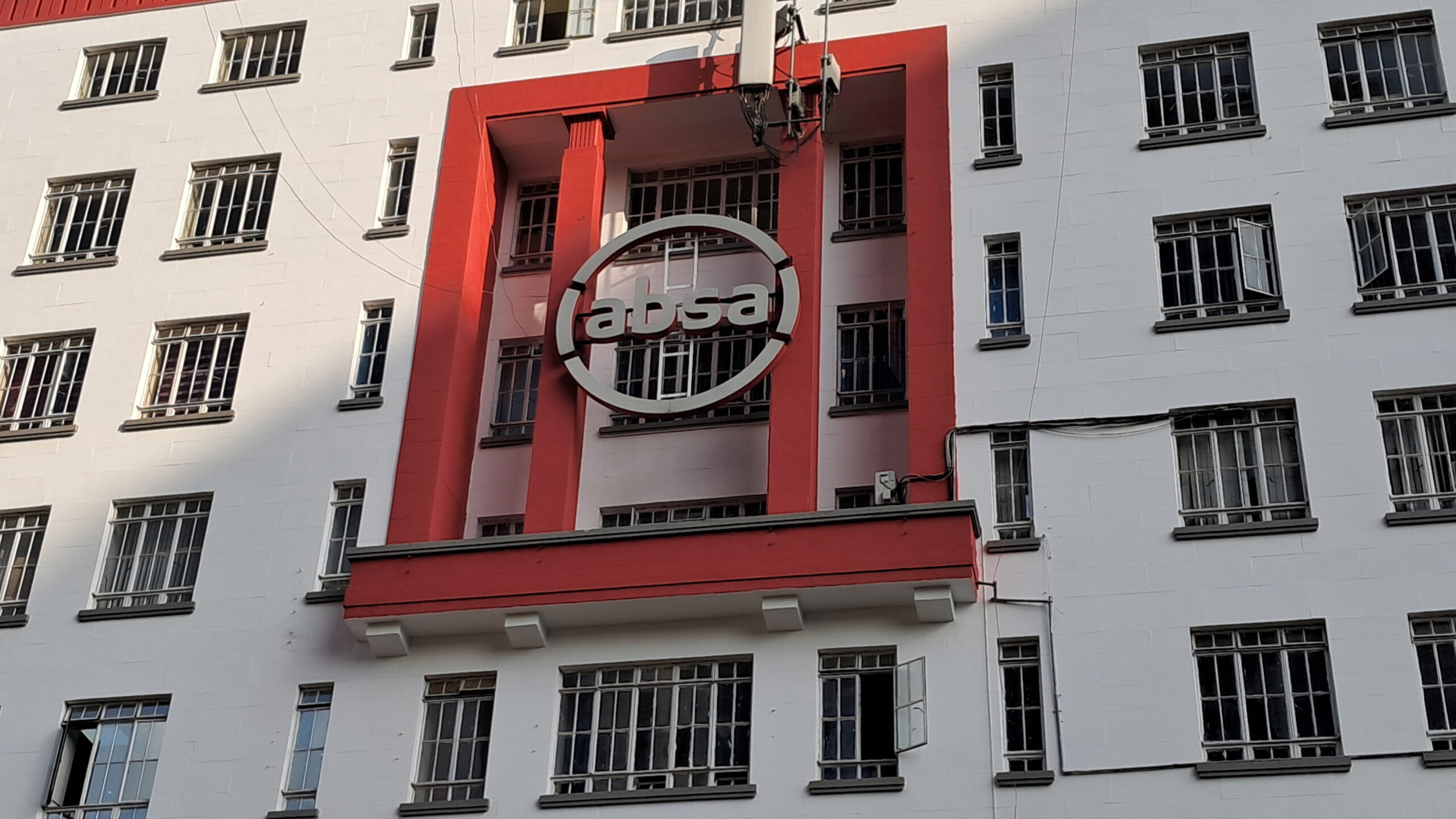
Global Banking and Finance Review has named Absa Bank Kenya PLC the Best Retail Bank in Kenya for 2026. The award highlights the sustained transformation of the lender, which recently abandoned traditional product-centric operations to favor a modern, segment-driven framework.
This structural shift addresses the rapid evolution of the domestic banking landscape by prioritizing tailored, mobile-first financial solutions.
To drive this growth, management restructured consumer operations around three distinct client segments, all fed by a unified product development pipeline. Performance metrics from the latest financial year validate this strategy. The mass-market personal banking division increased its customer base 1.1 times, pushing net earnings up by more than 50% through strict cost controls and expanded physical and digital outreach.
Affluent and Wealth Divisions Double Assets
The premium banking ecosystem captured significant market share over the last fiscal period. The affluent-focused Absa Prestige division grew revenues 34% year on year. Simultaneously, the specialized wealth management arm doubled its total assets under management, while the Absa Premier segment maintained consistent double-digit growth.
Absa Kenya Retail Growth Indicators:
┌───────────────────────────┬───────────────────────────┐
│ Segment                   │ Metric Growth             │
├───────────────────────────┼───────────────────────────┤
│ Personal Banking Profits  │ ▲ 50%+                    │
│ Prestige Revenue          │ ▲ 34%                     │
│ Wealth Management AUM     │ ▲ 100% (Doubled)          │
│ Non-Funded Income         │ ▲ 21%                     │
└───────────────────────────┴───────────────────────────┘
These wealth metrics complement excellent efficiency ratios across the wider business. Group financial statements reveal a return on equity exceeding 25%, alongside a cost-to-income ratio below 40%. Non-funded income grew 21% year on year, reducing reliance on interest rate margins and proving that diversification stabilises institutional earnings.

Digital Ecosystem Disburses Billions
The digital banking portfolio remains the primary engine for transaction processing and customer acquisition. The flagship mobile platform, Timiza, processed KES 26.3 billion in micro-loans and transactions. To reduce reliance on brick-and-mortar installations, the bank deployed automated service pods, scaled up the “Branch on the Move” mobile units, and expanded the Absa Digital Savings Account.
These field deployments cut transaction times and eliminate traditional branch queues. This alternative distribution network matches a broader expansion into sustainable finance. For example, the green-focused Absa Eco Home Loan recently won industry accolades for low-carbon transition strategy, proving that environmental utility can coexist with retail scale.
Non-Banking Units Gain Market Share
The broader corporate ecosystem mirrors the retail expansion. The insurance subsidiary maintained its position as the most profitable underwriter in the banking sector. Concurrently, the investment banking division climbed from position 26 to position 3 in national market rankings within a 24-month window.
As consumer expectations shift toward speed and personalisation, transaction platforms face intense competition. This top ranking confirms that financial institutions must evolve beyond basic accounts and pricing. True market leadership now belongs to companies that integrate banking directly into the daily lives, digital habits, and communities of their clients.
