



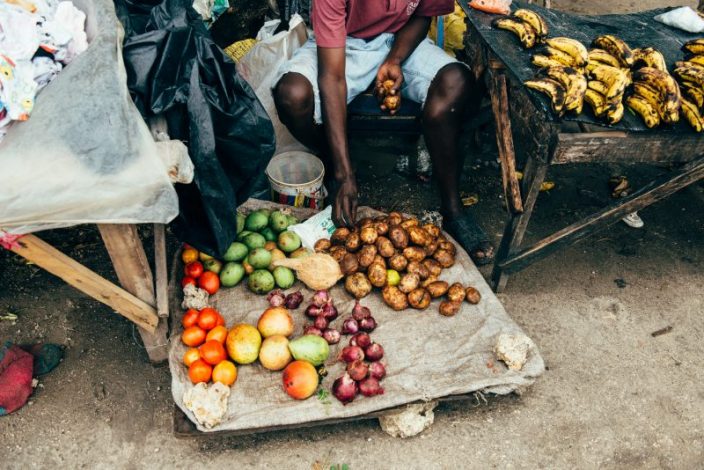
Kenya’s annual consumer price inflation rose to 5.6 percent in April 2026, up from 4.4 percent in March — the first time the rate has crossed the Central Bank of Kenya’s 5 percent midpoint target since June 2024.
The Kenya National Bureau of Statistics confirmed the figure on 29 April, citing food, transport, and fuel as the primary drivers of an acceleration that caught most forecasters off guard.
The monthly picture was sharper still. The Consumer Price Index climbed 1.4 percent in April alone, against 0.5 percent in March — nearly three times the pace of the previous month. The index rose from 150.00 to 152.15, the steepest single-month gain in more than a year.
Three Categories Drove the April Surge
The pressure concentrated in three expenditure divisions that together account for more than 57 percent of Kenya’s consumer price basket.
| Category | Monthly Change (April) | Annual Change |
|---|---|---|
| Food and Non-Alcoholic Beverages | +1.5% | +8.8% |
| Transport | +6.5% | +10.0% |
| Housing, Water, Electricity, Gas and Other Fuels | +0.8% | +2.4% |
| Overall Headline Inflation | +1.4% | +5.6% |
Food and non-alcoholic beverages — the largest single category at 32.9 percent of the basket — rose 8.8 percent annually. Transport recorded a 10.0 percent annual increase and a 6.5 percent monthly jump. Housing, water, electricity, gas and other fuels added 2.4 percent over the year.
Food Prices: What Went Up at the Market
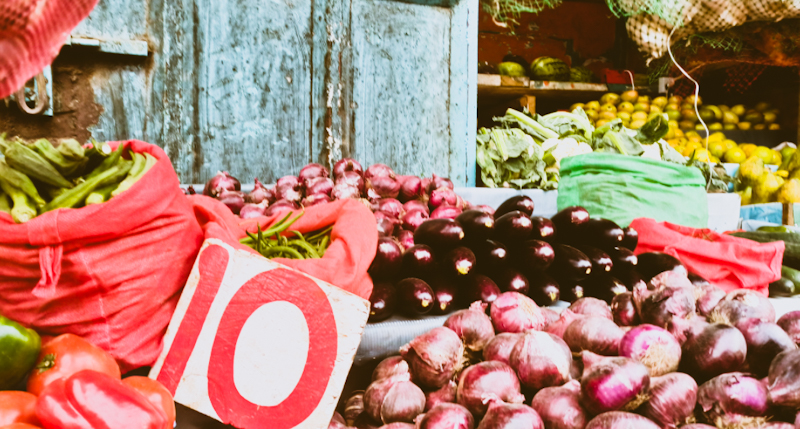
Food delivered the most visible pain at the household level. Tomatoes surged 9.0 percent in a single month to KShs 108.60 per kilogram, bringing their annual increase to 32.6 percent. The vegetable price surge caught analysts off guard — NCBA Research had forecast a moderation in fresh produce costs. KNBS attributed the reversal partly to crop losses from flooding and disruptions to the movement of fresh produce to market.
| Commodity | March 2026 (KShs) | April 2026 (KShs) | Monthly Change | Annual Change |
|---|---|---|---|---|
| Tomatoes (1 kg) | 99.60 | 108.60 | +9.0% | +32.6% |
| Cabbages (1 kg) | 71.52 | 69.15 | -3.3% | +34.8% |
| Kale/Sukuma Wiki (1 kg) | 104.34 | 106.86 | +2.4% | +23.6% |
| Spinach (1 kg) | 111.58 | 115.16 | +3.2% | +18.6% |
| Potatoes/Irish (1 kg) | 107.16 | 110.16 | +2.8% | +17.4% |
| Maize Flour Sifted (2 kg) | 155.76 | 158.06 | +1.5% | +4.7% |
| Cooking Oil/Salad (1 litre) | 344.50 | 353.77 | +2.7% | +1.3% |
| Beef with Bones (1 kg) | 737.30 | 749.65 | +1.7% | +11.1% |
| Oranges (1 kg) | 123.57 | 121.28 | -1.9% | +10.1% |
| Maize Grain Loose (1 kg) | 70.44 | 71.30 | +1.2% | +7.1% |
Not every food item moved upward — cabbages fell 3.3 percent and oranges eased 1.9 percent. But the net effect on a typical household food budget was a measurable squeeze.
Fuel Costs Delivered the Most Direct Blow
The Energy and Petroleum Regulatory Authority raised petrol by KShs 9.37 to KShs 197.60 per litre and diesel by KShs 10.21 to KShs 196.63 during the review period. KNBS data recorded petrol at KShs 198.67 per litre and diesel at KShs 197.81 — a 17.9 percent monthly jump for diesel and 10.8 percent for petrol.
| Fuel/Energy Item | March 2026 (KShs) | April 2026 (KShs) | Monthly Change | Annual Change |
|---|---|---|---|---|
| Petrol (1 litre) | 179.35 | 198.67 | +10.8% | +13.3% |
| Diesel (1 litre) | 167.72 | 197.81 | +17.9% | +19.4% |
| Gas/LPG (13 kg) | 3,132.34 | 3,361.56 | +7.3% | +6.5% |
| Kerosene (1 litre) | 153.96 | 153.96 | 0.0% | +2.8% |
| Electricity 50 kWh | 1,297.26 | 1,288.99 | -0.6% | -2.0% |
| Electricity 200 kWh | 5,689.98 | 5,656.88 | -0.6% | -3.8% |
The regulator traced the increases to higher global oil landing costs tied to supply disruptions. An 8 percent VAT reduction on fuel softened what would otherwise have been a steeper rise at the pump.
Treasury Cabinet Secretary John Mbadi acknowledged the pass-through: “Fuel inflation has already started feeding into the economy and reducing household purchasing power.” He cited Middle East tensions as having raised petroleum landing costs and pushed transport and production expenses higher across sectors. The government deployed KShs 6.2 billion from the fuel stabilisation fund and reduced VAT on petroleum products from 16 percent to 8 percent. “If we did not intervene, fuel prices would have gone much higher,” Mbadi said — while officials cautioned that deeper cuts would strain public finances already under pressure from tight revenues and elevated debt service costs.
Transport Fares Rose Across the Board
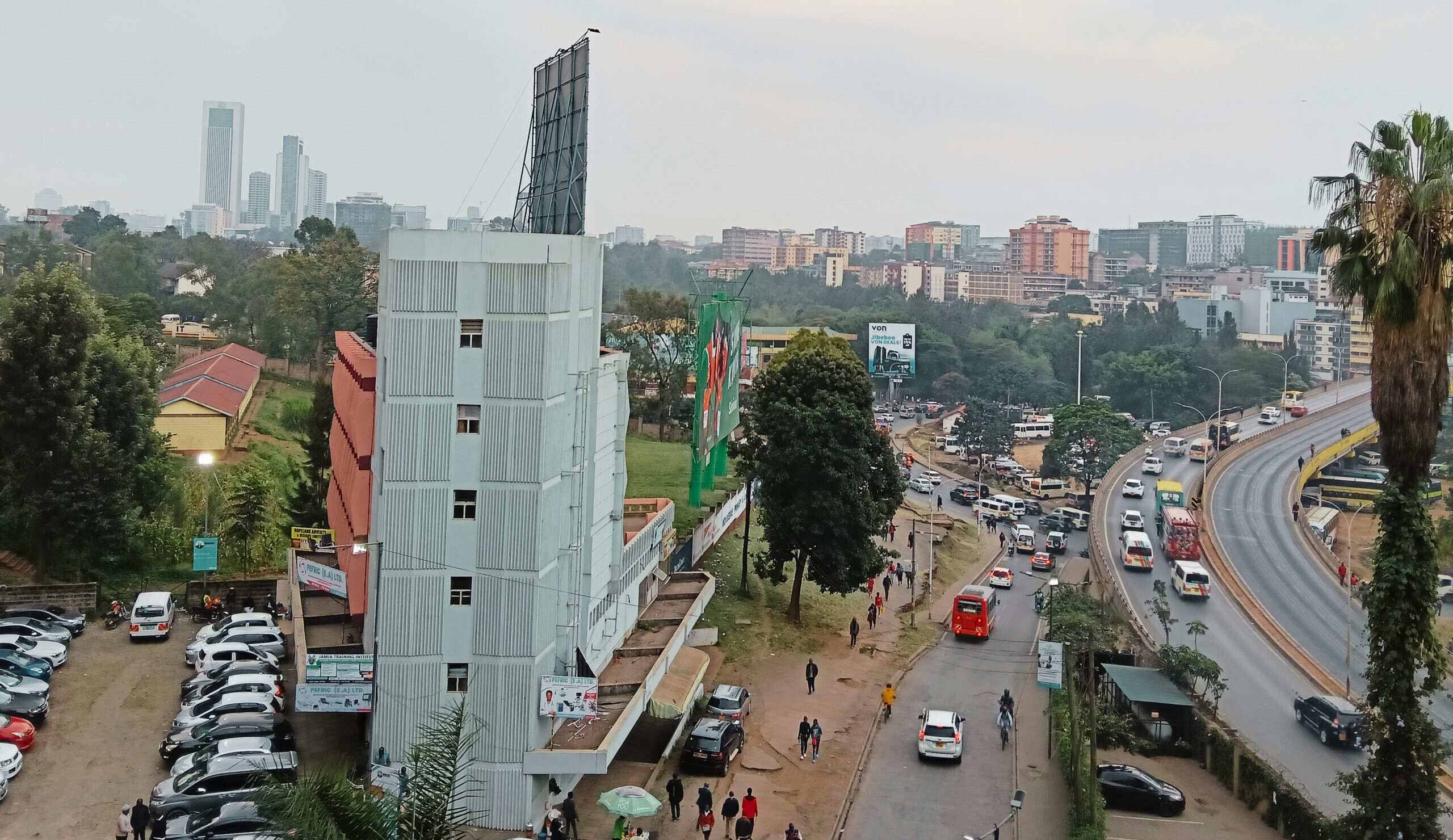
Fuel price increases fed directly into transport costs. Boda boda fares and city bus/matatu fares from Karen to the town centre during peak hours both rose 20 percent to KShs 120. The country bus fare from Kisumu to Nairobi jumped 8.6 percent to KShs 1,900.
| Transport Fare | March 2026 (KShs) | April 2026 (KShs) | Monthly Change | Annual Change |
|---|---|---|---|---|
| Boda Boda (Narok town) | 100.00 | 120.00 | +20.0% | +20.0% |
| City Bus/Matatu Karen to Town (peak) | 100.00 | 120.00 | +20.0% | +20.0% |
| Country Bus Kisumu to Nairobi | 1,750.00 | 1,900.00 | +8.6% | +8.6% |
Core Inflation Remains Contained — For Now
The KNBS data separates core inflation — drawn from stable categories such as manufactured food, health, education, and ICT — from non-core inflation covering volatile items including fresh food and fuel. The contrast in April was stark.
| Inflation Measure | March 2026 | April 2026 |
|---|---|---|
| Headline Inflation | 4.4% | 5.6% |
| Core Inflation | 2.1% | 2.8% |
| Non-Core Inflation | 10.8% | 13.4% |
| Food Inflation | 7.7% | 8.8% |
Core inflation rose to 2.8 percent in April from 2.1 percent in March, remaining well within the CBK’s 2.5 to 7.5 percent target band. Non-core inflation surged to 13.4 percent from 10.8 percent. This divergence signals that April’s inflation spike concentrates in weather-sensitive and oil-linked categories rather than spreading through the broader economy.
In terms of contribution to the 5.6 percent headline figure, food and non-alcoholic beverages contributed 2.5 percentage points, transport added 1.1 points, and housing, water and fuels contributed 0.4 points.
Where Kenya Stood Before April
April’s reading ends a period of genuine price stability. Kenya’s annual inflation eased to 4.01 percent across 2025, down from 4.5 percent in 2024, supported by lower fuel, electricity and cooking gas costs.
| Category | 2024 | 2025 |
|---|---|---|
| Food and Non-Alcoholic Beverages | 5.6% | 7.2% |
| Transport | 5.0% | 3.2% |
| Housing, Water, Electricity, Gas and Fuels | 3.9% | 0.6% |
| Overall Headline Inflation | 4.5% | 4.01% |
Food proved the exception throughout. Even as other categories moderated, food and non-alcoholic beverages inflation accelerated to 7.2 percent in 2025, maintaining persistent pressure on household budgets before April’s further spike.
What the Central Bank Does Next
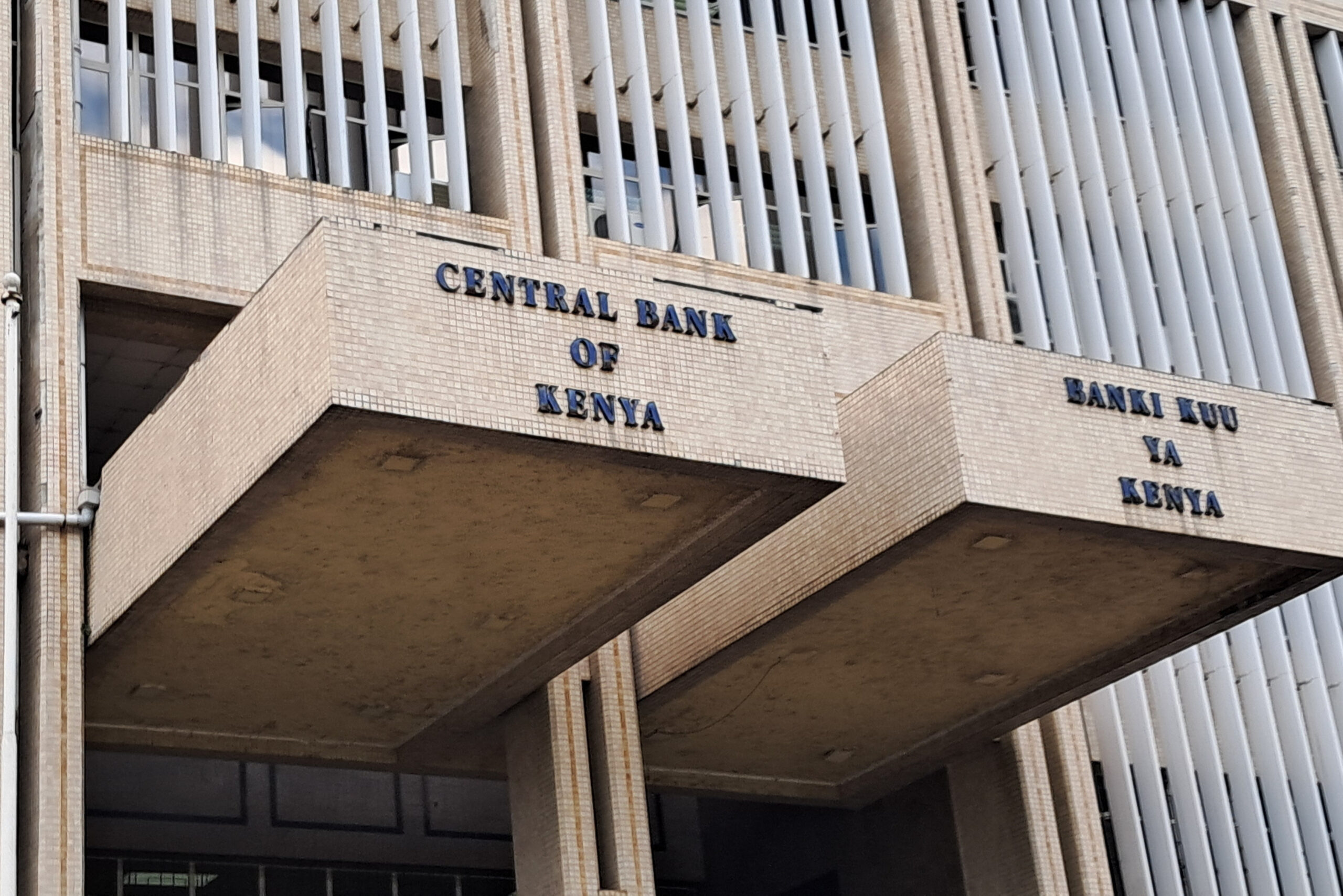
The MPC held the benchmark lending rate at 8.75 percent at its most recent meeting, pausing an easing cycle that had delivered several consecutive cuts. The April inflation reading remains within the 2.5 to 7.5 percent target band, but the trajectory has drawn attention.
NCBA Research framed the policy dilemma plainly: “To maintain macroeconomic stability, controlling inflation and exercising prudent fiscal management will be essential to navigate the current shock. The government could cushion consumers with the fuel stabilisation fund, but will realise only a partial and short-lived reprieve. The MPC will remain cautious and any adjustment on the policy stance will be data driven.”
NCBA now projects inflation at around 6 percent in May, moving toward the 7.5 percent upper bound in coming months on second-round effects from fuel costs working through the broader economy.
| Geography | 2024 Inflation | 2025 Inflation | 2026 Projection |
|---|---|---|---|
| Kenya | 4.5% | 4.01% | 5.2% |
| EAC-5 Bloc | — | — | 4.8% |
| Sub-Saharan Africa | 20.3% | 13.1% | 10.9% |
| Global | — | — | 3.8% |
KNBS projects a 2026 full-year average of 5.2 percent for Kenya, driven partly by imported price pressures and geopolitical uncertainty, including Middle East tensions that continue to weigh on global oil markets. For Kenya, April marks the second consecutive monthly rise since February, when inflation stood at 4.3 percent. The question facing the MPC at its June meeting is whether to hold and absorb the pressure, or act before the trajectory settles further above the midpoint it has just crossed.
