



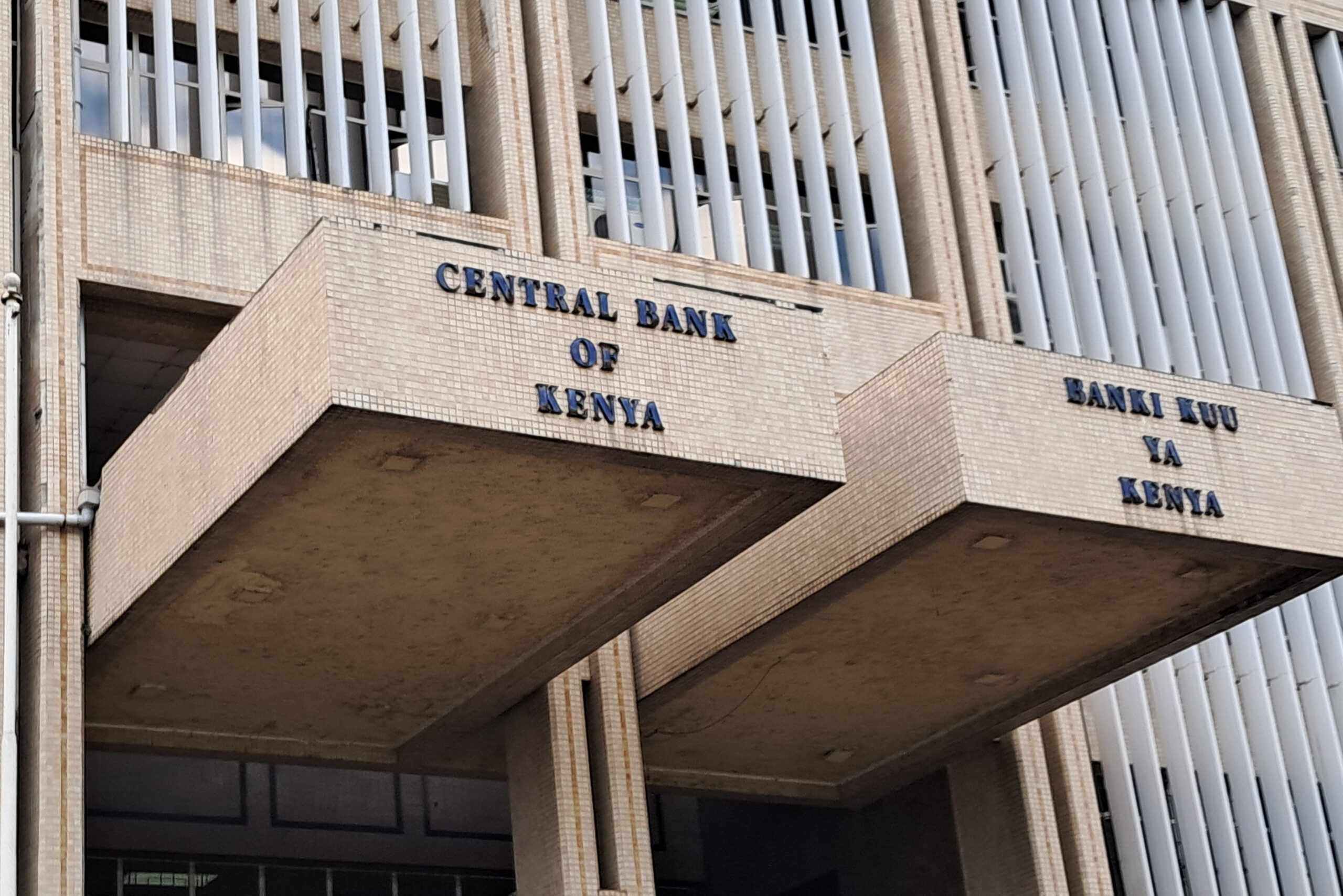
The Middle East conflict has moved from a distant geopolitical crisis to a direct drag on Kenya’s balance of payments.
Elevated crude prices are swelling the national import bill, disrupting shipping routes and forcing businesses to pay more for fuel, machinery and raw materials, costs that flow straight through to the current account.
The Central Bank of Kenya projects the current account deficit will widen to 3.0% of GDP in 2026, up from 2.1% in 2025. That would push the nominal deficit from $3.10 billion to $4.30 billion in a single year.
Commercial analysts are less optimistic. NCBA Research warned in its post-MPC market note that supply chain disruptions from the conflict could deepen the shortfall further.
“We project further deterioration of the current account towards 3.5% in December on account of prolonged impacts from the Middle East war,” NCBA Research, June 2026.
The gap between the two forecasts matters. Under the CBK baseline, Kenya records an overall balance of payments surplus of $865 million. Under the NCBA scenario, that surplus shrinks to $210 million — leaving far less buffer if conditions deteriorate further.

Remittances Slow as Gulf and European Economies Soften
Kenya has long relied on diaspora remittances to cushion its external accounts. That cushion is thinning. The CBK expects remittance inflows to grow just 1.5% in 2026, a sharp deceleration from the double-digit rates recorded in recent years.
The primary cause is economic weakness in the Gulf States and Europe, which together account for the bulk of Kenya’s diaspora earnings. Fewer jobs, tighter household budgets and rising living costs in those markets translate directly into fewer shillings sent home.
The timing is poor. Agricultural export receipts from tea and horticulture are also expected to come in below trend, and services income faces similar pressure. NCBA Research noted that the combination of weak exports, lower services receipts and slowing remittances creates a difficult environment for the shilling with little natural relief in sight.
What the Data Shows
The table below sets out Kenya’s key external sector metrics across the CBK baseline and the NCBA Research projection for 2026, alongside the 2025 actuals and the CBK’s 2027 forecast.
| Indicator | 2025 Actual | 2026 CBK Proj. | 2026 NCBA Proj. | 2027 CBK Proj. |
|---|---|---|---|---|
| Current account deficit (% of GDP) | 2.1% | 3.0% | 3.5% | 3.2% |
| Nominal current account deficit | $3.10B | $4.30B | $5.01B | $4.47B |
| Capital & financial account surplus | $4.20B | $5.22B | $5.22B | $4.88B |
| Overall balance of payments | $640M | $865M | $210M | $414M |
| CBK foreign exchange reserves | $10.50B | $12.39B | $11.90B | $12.80B |
| Import cover buffer | 4.2 months | 5.1 months | 4.7 months | 5.3 months |
Sources: CBK Monetary Policy Statement; NCBA Research Post-MPC Note, June 2026
Reserves Provide Cover, But Not Comfort
Despite the widening trade gap, the broader balance of payments position holds up — for now. A capital and financial account surplus of $5.22 billion, driven by concessional inflows from the World Bank and IMF and renewed investor appetite in the Eurobond market, is projected to more than cover the current account shortfall.
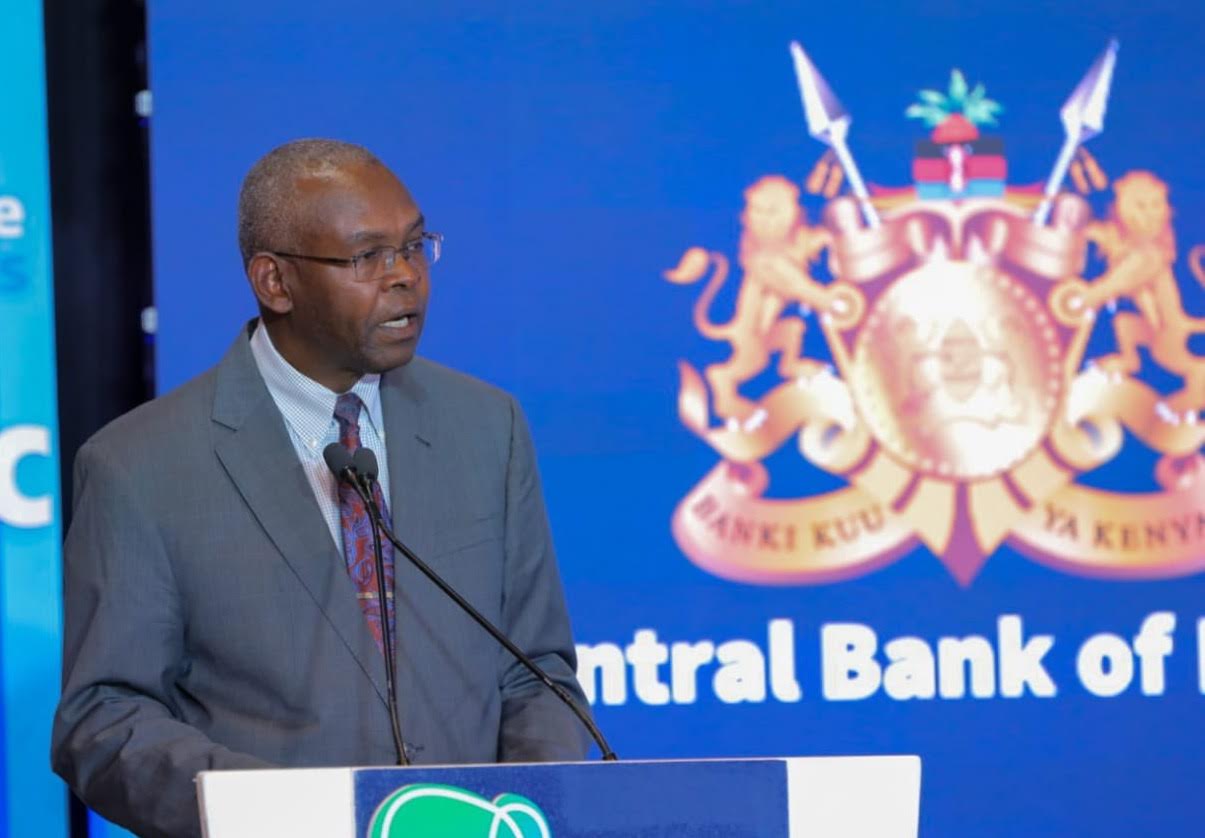
CBK Governor Dr. Kamau Thugge made this point directly at the post-MPC briefing.
“The fiscal strategy relies heavily on secured concessional funding from multilateral lenders, including the World Bank and the International Monetary Fund, alongside resurgent investor sentiment in the Eurobond market,” Dr. Kamau Thugge, CBK Governor, June 2026
By early June, foreign exchange reserves had reached $12.39 billion, equivalent to just over five months of import cover. The regional statutory minimum is four months. That buffer gives the CBK room to intervene in the foreign exchange market and absorb sudden shocks without tipping the shilling into a sharper slide.
Credit Recovery Masks a Fragile Banking Sector
Inside the domestic economy, the credit picture sends a mixed signal. Private sector credit growth jumped to 9.3% in May 2026 after contracting 2.9% in January, a recovery that suggests monetary easing has started to work its way through the system. The MPC held the policy rate at 8.75% for the second consecutive meeting, and the credit numbers offer some justification for that patience.
But the recovery sits on fragile foundations. The non-performing loans ratio stood at 15.3% in May, meaning that for every shilling lent, nearly one in six is not being repaid on schedule. That level of stress in the loan book limits how aggressively banks can extend new credit, regardless of what the policy rate says.
The CBK’s reserve position buys time. What Kenya needs over the remainder of 2026 is a de-escalation in the Middle East conflict, or at minimum a sustained fall in crude prices. Without one of those two developments, the current account will keep widening and the buffer that looks comfortable today will start to look thinner.
