



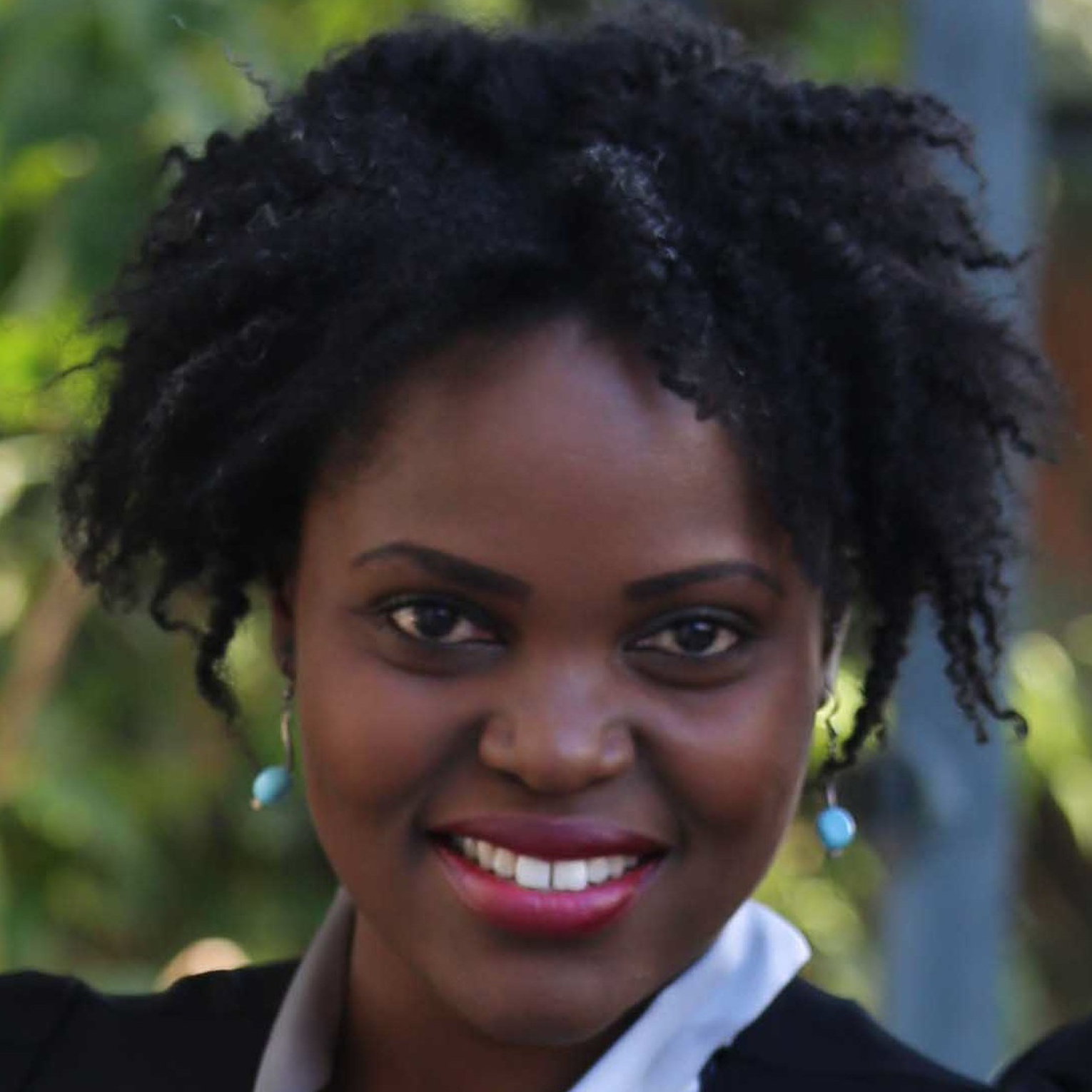
Lizz Njagah has spent decades earning her place at the centre of Kenyan storytelling. Audiences first fell for her through Makutano Junction and Jane and Abel, then watched her build a second reputation as a filmmaker through Historia Films, the production company she co-founded with her husband Alex Konstantaras.
The company gave Kenya House of Lungula and Fundi-Mentals. Now, as Executive Producer of Showmax’s gender-flip comedy Adam to Eve, the Kalasha Award winner steps into her most personal project yet — one that took 13 years to reach the screen.
We sat down with Njagah to talk about patience, creative risk, and why this story could only land now.
Your acting career spans some of Kenya’s most beloved productions. How does that experience shape how you run a set as a producer?
“My years in front of the camera have been my greatest training ground as a producer. I understand what it feels like to be on set for long hours, to need direction that inspires, and to crave an environment where creativity feels safe. That empathy helps me manage productions with balance, I know what actors need to give their best and what a crew needs to stay motivated. I try to run sets that are both disciplined and deeply collaborative.”
That instinct for the emotional temperature of a set traces back further than most people realise. An earlier show, News Just In, confirmed something Njagah had long suspected about Kenyan audiences. “They are incredibly smart and emotionally tuned in — they love authenticity, humour rooted in truth, and stories that reflect the world around them. With Adam to Eve, I wanted to carry that forward.”
Adam to Eve started as an idea 13 years ago. What brought it back to life?
The story of how Adam to Eve reached Showmax says as much about timing as it does about talent. “We actually came up with it over 13 years ago. We even shot a pilot for it back then. But as happens sometimes in this industry, the timing wasn’t right, so we put it on the back burner.”
When the concept resurfaced, something had shifted. “The world changed. There’s this global and local movement of women waking up, speaking out, and reclaiming their narratives. Suddenly, the story felt urgent again — like it had been waiting for this exact moment. I believed in it because it speaks to where we are right now as a society, and it does so with humour, honesty, and a touch of boldness.”
The show takes real creative risks. How did you keep it bold without losing the audience?
Balancing provocation with relatability sits at the heart of what makes Adam to Eve work, and Njagah approaches that tension with a clear principle. “It’s all about trust. Trusting the writers to push boundaries and trusting myself to know when to pull back. We kept asking, ‘Does this feel true?’ As long as the emotional core stayed honest, we allowed the creative risks to flourish around it.”
What does it mean to you personally to produce a show that challenges patriarchal norms from the inside?
This is where Njagah speaks with the least hesitation. “It means everything. As a woman in film, I’ve seen firsthand how the industry mirrors society and how often women’s voices are minimised. Producing Adam to Eve felt like reclaiming space. It’s a chance to tell stories that reflect women’s complexity and agency, not just their stereotypes.”
That commitment extended to how she ran the production from the inside. For the actors, she built a room where experimentation was welcomed. For the writers, she created what she describes as a culture of nurtured boldness. “We kept communication open, respectful, and energising.”
What would you say is your greatest strength as a producer, and where did it show up most in this production?
“My ability to see both the creative and logistical sides of filmmaking. I can sense when a scene needs more emotional truth, but also when a schedule or budget needs tightening. In Adam to Eve, that dual focus helped us deliver a visually strong, emotionally resonant show without losing efficiency.”
How do you measure success for a series like this?
Awards and viewing numbers matter, but Njagah sets her own benchmark. “True success is when someone watches an episode and says, ‘I saw myself in that.’ When the show sparks conversations, challenges assumptions, or simply makes someone feel seen, that’s when I know we’ve done our job.”
If a spin-off were on the table, which character or storyline would you follow?
She chooses her words carefully here, not wanting to give too much away. “There’s a supporting character whose quiet resilience fascinated me. She embodies the everyday woman who holds everything together while the world overlooks her. I’d love to give her story a full arc, a deep dive into her journey of rediscovery and power.”
Thirteen years is a long time to hold onto an idea. That Adam to Eve not only survived but arrived stronger for the wait reflects something central to how Njagah works, with patience, precision, and a clear sense of what stories Kenyan audiences deserve to see told well.
