


When people move into a new residential development, they bring more than household belongings. They bring daily needs that can support an entire range of businesses, from grocery shops and restaurants to pharmacies, salons, laundry services and childcare centres.
For entrepreneurs, this presents a different way of looking at property development. Beyond the apartments being sold, there is a potential customer base taking shape around them. The question is whether Kenya’s growing residential communities could become viable business locations in their own right.
The shift is particularly relevant as developers increasingly combine housing with offices, retail outlets, hotels and recreational facilities. These developments bring residents, employees and visitors into the same area, creating opportunities for businesses that might traditionally have looked to town centres or established shopping districts.

When a residential estate becomes a business opportunity
A mixed-use development brings different activities into one planned location. Residents can access shops, restaurants, offices and other services without necessarily going outside the neighbourhood.
For businesses, this creates a defined catchment area; the population a particular outlet can realistically attract. It may include homeowners, tenants, families, office workers, hotel guests and people visiting the development.
The opportunities vary depending on the needs of that population. Supermarkets, convenience shops, bakeries and grocery delivery services can serve routine household purchases. Cafés, restaurants and takeaways can attract residents as well as people working nearby. Salons, barbershops, pharmacies, clinics, laundry businesses and fitness centres offer services that customers may need regularly.
There is also room for smaller professional and home-based enterprises, including repair technicians, cleaning services, tutors and technology service providers.
However, the size of a development alone does not determine whether a business will succeed. Actual occupancy, residents’ purchasing power, competition and the availability of suitable commercial space all influence the market.
Kenya’s urban population provides some context for this opportunity. The 2019 Kenya Population and Housing Census recorded 14.8 million people living in urban areas, representing 31.2 percent of the population at the time. This illustrates the scale of the country’s urban market.

Jabali Towers and the business potential around Tatu City
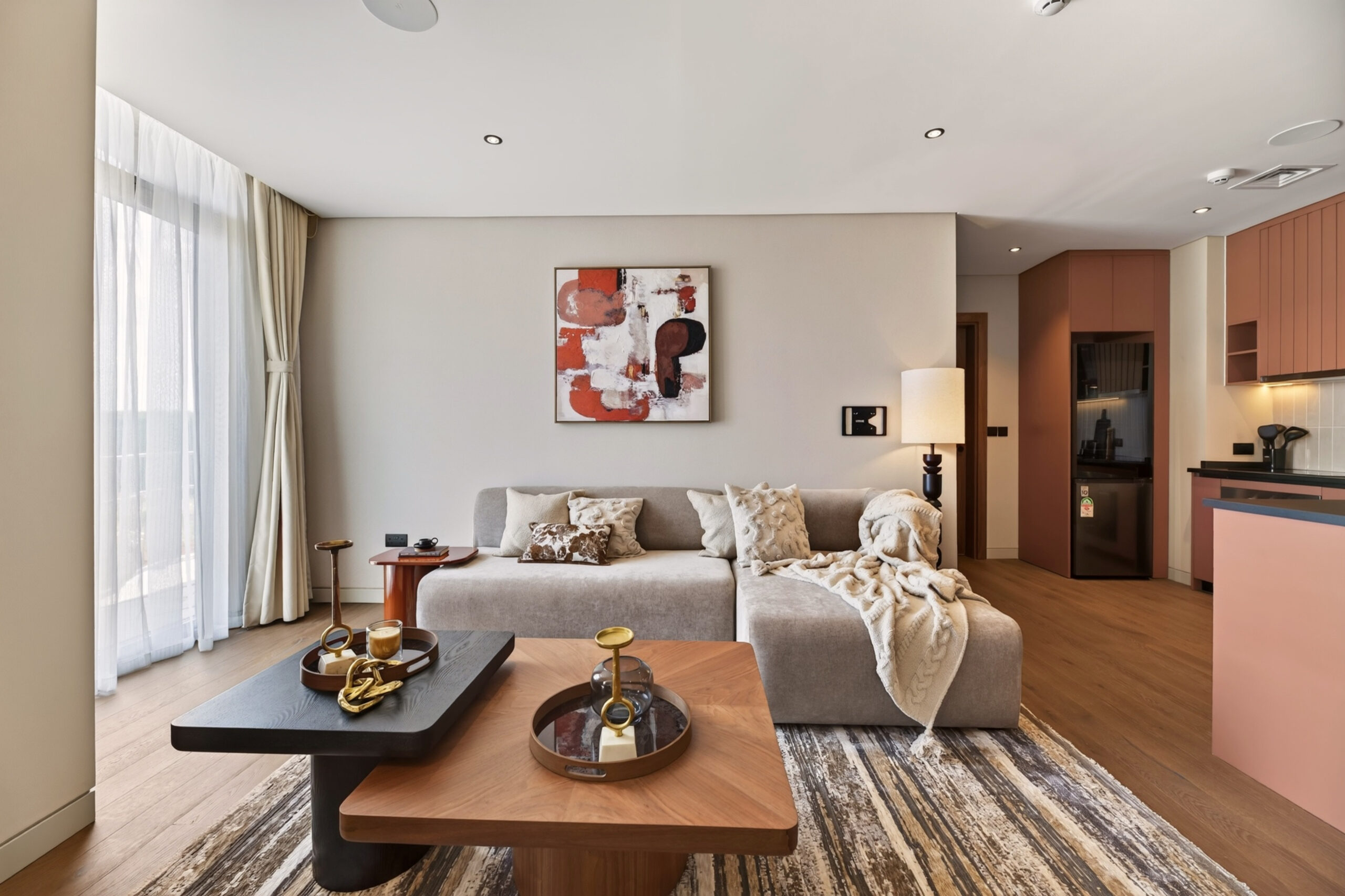
Jabali Towers, within the 5,000-acre Tatu City development, provides an example of how residential and commercial activity can come together. The project combines two residential towers with office space, a hotel, retail outlets and restaurants.
Speaking during the Jabali Towers showhouse unveiling on November 14, 2026, Preston Mendenhall, Group Chief Operating Officer and Country Head of Rendeavour Kenya, described the development as the hub of Tatu City. He highlighted its combination of residential, commercial and hospitality facilities, including 35 shops, retail outlets and restaurants.
Mendenhall said Tatu City has approximately 7,000 residents and about 35,000 people coming in and out daily for work, recreation and education. He projected that its residential population would reach 25,000 by 2030, against an ultimate planned population of 250,000.
The presence of people who work in or visit the development adds another dimension to its potential customer base. A café, for example, may serve office workers during the day, residents in the evening and visitors throughout the week.
Yusuf Coutinho, Vice President of Sales and Strategy for Tatu City and Rendeavour Group, also described the development as a wider ecosystem built around education, business and housing. He said Jabali Towers, with more than 20 amenities, is the first phase of the planned Market District, which will include restaurants and retail spaces.
The experience of investor and entrepreneur Jesca Kithinji offers a closer look at how these opportunities can overlap.
Kithinji owns a studio apartment at Jabali Towers and also operates Seven Cafe in Tatu City. Her investment in the residential development sits alongside her experience of running a business within the same community.
Speaking at the showhouse unveiling on November 14, 2026, she said she was looking forward to having a home at Jabali while continuing to invest in Tatu City.
“I am a Jabali investor and the owner of a studio apartment. I am looking forward to having a very beautiful home there, where I can continue living in Tatu and also investing in Tatu. “We have seen growth from the Tatu community,” she said.
Her experience brings the relationship between property ownership and entrepreneurship into focus. An investor can purchase a home while also establishing a business within the same development, participating in both its residential and commercial growth.

Turning a growing community into a business opportunity
If you are an entrepreneur considering residential developments as places to set up businesses, the first thing to look at is the people living there and what they need. As more people move into these developments and shops, offices and other facilities open, the demand for everyday goods and services also grows.
But having many apartments does not automatically mean a business will do well. Entrepreneurs need to understand the kind of people living in the development, their needs and what they are likely to spend money on.
One of the things worth looking at is how many homes are already occupied. A development may have hundreds of apartments, but if most are still vacant, the number of potential customers may be much lower than expected. An estate that already has people living in it may offer a better starting point for a business than one where most of the buyers are yet to move in.
It also helps to look at who these residents are. For instance, an estate with many young professionals may have demand for cafés, small convenience shops, gyms and food delivery services. Where there are more families, businesses such as supermarkets, pharmacies, childcare centres and other household services may find a ready market. Knowing who lives in the area can help an entrepreneur decide what kind of business is worth setting up.
Where the business is located within the development also matters. A shop near the main entrance, for example, may attract more walk-in customers than one tucked away behind the residential blocks. The same applies to businesses near office spaces or other areas where residents regularly pass. Other things to consider include parking, security, access for deliveries and whether customers can easily get to the premises.
Business owners should also consider customers who live outside the development. A supermarket, restaurant or salon within a residential estate does not have to rely entirely on the people living there. It could also attract customers from neighbouring estates, especially if there are few similar businesses in the surrounding area.

Making the opportunity work
Like any business decision, setting up in a residential development comes with costs that need careful consideration. Commercial rent, service charges, utilities, staffing and stock all form part of the investment. Entrepreneurs also need to understand the existing competition and whether the expected customer base can support another business.
These considerations do not take away from the opportunity. They simply show why understanding a location before setting up can make a difference. A business that matches the needs of its customers, offers competitive pricing and provides a service people can rely on has a better chance of building a regular customer base.
As residential developments expand, businesses that understand the character of each community will be better placed to identify opportunities within them.
