



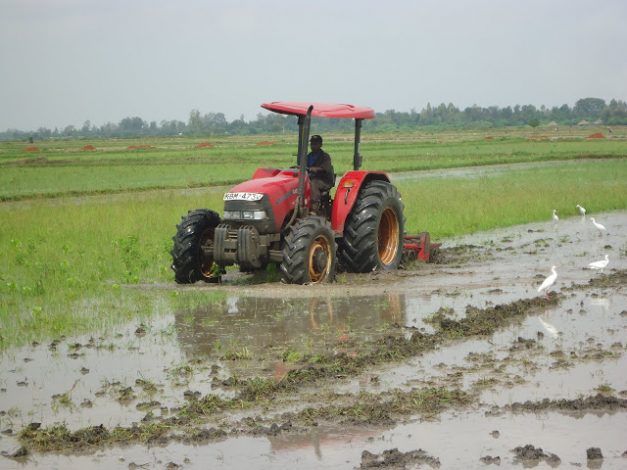
The Ministry of Agriculture and Livestock Development has announced a fresh round of input subsidies aimed at farmers hit by drought, cutting the price of a 50 kilogramme bag of fertilizer to KSh 2,000 and halving the cost of certified maize seed.
The Ministry made the announcement in a press release dated August 24, 2026, signed off from the Office of the Cabinet Secretary. It said the measure is meant to cushion farmers from drought losses and help them return to production for the next planting season.
What Changes for Farmers
Under the new pricing, a 50 kilogramme bag of subsidized fertilizer drops to KSh 2,000 from KSh 2,500. The government will also cover half the cost of certified maize seed, bringing the price down to KSh 150 per kilogramme from KSh 300.
| Input | Previous Price | New Price | Change |
|---|---|---|---|
| Fertilizer, 50kg bag | KSh 2,500 | KSh 2,000 | -20% |
| Maize seed, per kg | KSh 300 | KSh 150 | -50% |
| Maize seed, 2kg pack | KSh 600 | KSh 300 | -50% |
| Maize seed, 10kg pack | KSh 3,000 | KSh 1,500 | -50% |
| Maize seed, 25kg pack | KSh 7,500 | KSh 3,750 | -50% |
The Ministry said the maize seed subsidy will cover roughly 40 million kilogrammes of seed, at an estimated cost of KSh 6 billion to the government. Farmers will collect both the fertilizer and the seed through distribution channels designated by the government.
The intervention follows a warning from the Central Bank of Kenya that poor rains are pushing the country toward fresh food price pressure, and comes as Kenya moves to import 25 million bags of maize to bridge a widening drought driven deficit.
Part of a Wider Shift in Farm Support
The Ministry linked the price cuts to President William Ruto’s policy of moving government support away from subsidizing consumption and toward subsidizing production, by lowering the cost of farm inputs directly.
That shift has been underway since 2022. A 50 kilogramme bag of fertilizer sold for about KSh 7,500 that year before the National Fertilizer Subsidy Programme brought it down to KSh 2,500. The latest cut to KSh 2,000 puts the price more than 73% below where it stood in 2022.
Since the programme launched, the government has distributed about 33.55 million bags of subsidized fertilizer to roughly 1.98 million farmers, at a total cost of approximately KSh 78.79 billion.
Production Gains the Government Wants to Protect
The Ministry pointed to gains in output over the same period. Maize production rose from 34.3 million bags of 90 kilograms each in 2022 to 73 million bags in 2025, while maize imports fell by more than 66.5%.
Officials framed the latest subsidy as protection for those gains against drought. The Ministry said a farmer who has already lost a crop to drought should not also lose the ability to plant the next one because fertilizer and seed are out of reach.
Those production gains are already under strain. Kenya’s informal cross border trade has shrunk as food output falls, a sign that this year’s drought is being felt beyond the farm gate. The current price cuts are not the government’s first intervention in farm input costs this year either, following an earlier move to lower the minimum sugarcane price to KSh 5,500 per tonne.
Table: Fertilizer Subsidy Programme Since 2022
| Metric | Figure |
|---|---|
| Fertilizer price, 2022 | KSh 7,500 per 50kg bag |
| Fertilizer price, current | KSh 2,000 per 50kg bag |
| Price reduction since 2022 | Over 73% |
| Bags distributed since 2022 | 33.55 million |
| Farmers reached | 1.98 million |
| Total government support | KSh 78.79 billion |
| Maize production, 2022 | 34.3 million 90kg bags |
| Maize production, 2025 | 73 million 90kg bags |
| Maize import decline | Over 66.5% |
The subsidy announcement comes as the government continues to invest in irrigation, water harvesting, and other climate focused measures intended to reduce the country’s exposure to drought over the longer term.
