


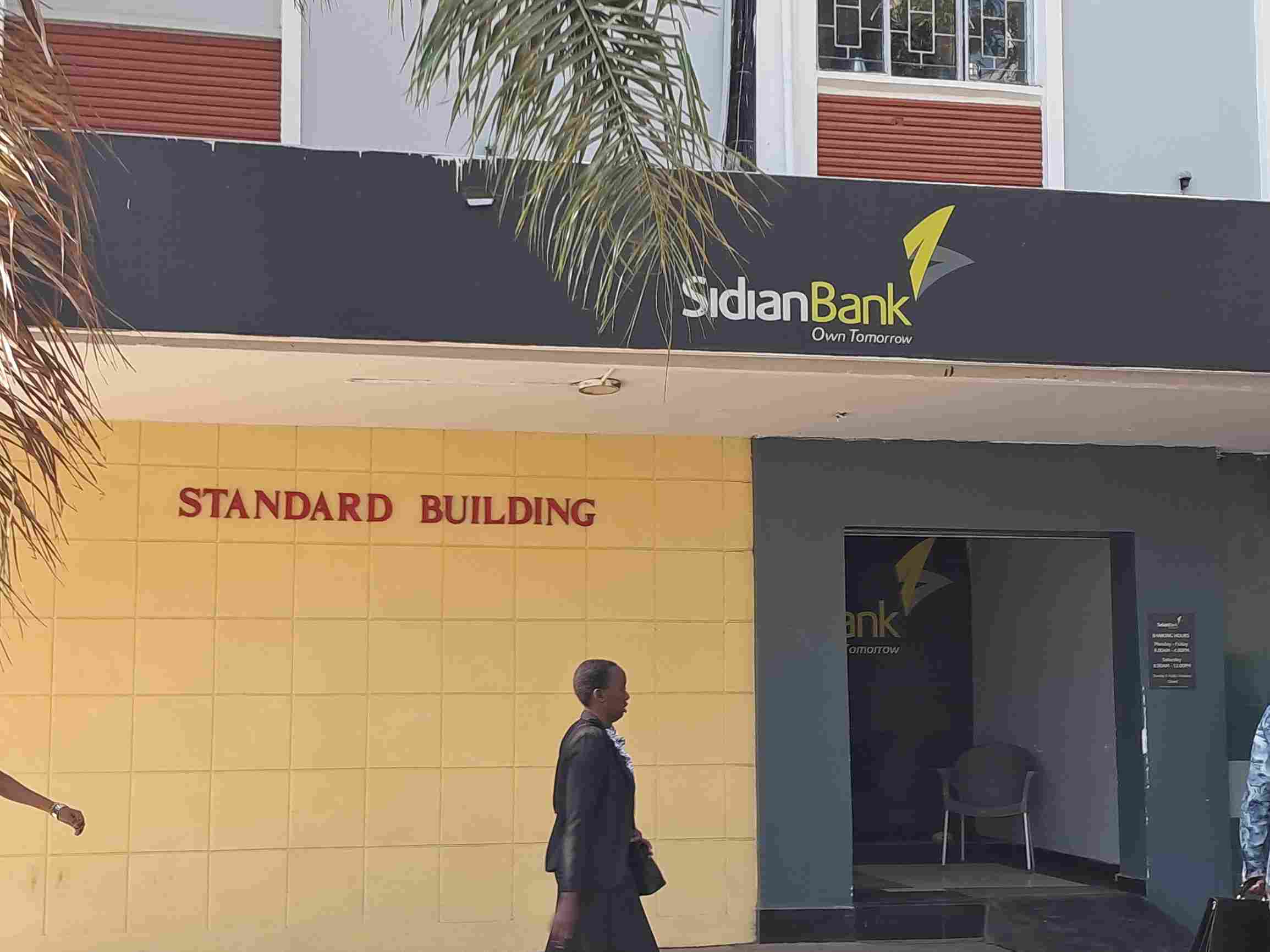
Kenyan entrepreneurs looking for a bank that understands small business rarely need to search far. Sidian Bank has built its entire identity around that mission, and its history explains why.
Sidian’s SME History Runs to 1984
Sidian Bank posted KSh 607.03 million in profit after tax for the quarter ended 31 March 2026, a 9.0% increase from KSh 556.94 million in the same period a year earlier.
The results build on a mission the bank has carried for four decades. Sidian traces its roots to K-Rep, a microfinance program founded in 1984 by Kimanthi Mutua to serve entrepreneurs Kenya’s mainstream banks overlooked. Centum Investment Company took majority ownership in 2015, and the bank rebranded as Sidian in 2016 while keeping SME lending at the center of its strategy. Details on the bank’s history sit on Sidian’s about page.
Branch Expansion Targets Underserved Counties
Fresh profit has funded branch openings in places competitors bypass. Sidian opened its 49th branch in Gilgil, Nyandarua County, extending its network into the Mt Kenya region. Former CEO Chege Thumbi framed the move as deliberate:
“Establishing our presence here is therefore not only strategic; it is purposeful,” he said at the launch. Gilgil follows branches in Bomet Town and a relocation in Nairobi’s Eastlands, part of a pattern that places Sidian where traders and entrepreneurs already work rather than clustering around Nairobi’s business district.
Nyandarua County Governor Dr Moses Badilisha welcomed the expansion, pointing to its potential to support local economic activity.
Loan Products Built Around Business Banking
The bank’s business banking unit runs several products aimed at SMEs. The Chama Biashara Loan serves registered groups expanding together, with repayment capped against member income. Asset Finance funds equipment purchases up to KSh 5,000,000, covering as much as 95% of the asset’s cost.
Digital access runs through the SidianVibe app and USSD code *527#, letting business owners transact without a branch visit.
Development Finance Institutions Keep Funding Sidian’s SME Book
International lenders have repeatedly chosen Sidian as a channel for reaching Kenyan SMEs. FMO, the Dutch development bank, provided 20 million dollars in 2020 for SME credit expansion.
The East African Development Bank contributed 5.5 million euros for agricultural lending. Triodos Investment Management added a 10 million dollar facility in 2021, and the EMF Microfinance Fund injected KSh 1.1 billion toward on lending and capital. Each facility routes fresh capital directly into SME loans rather than drawing on retail deposits.
What the Numbers Mean for SME Customers
The pattern holds together. Profit growth funds branch openings in counties other banks skip. Development finance partnerships keep SME credit flowing even when deposit growth slows.
A Tier 2 target signals Sidian intends to keep expanding its SME book rather than settling into a smaller niche. For business owners weighing where to bank, that combination of results, reach and partnership backing builds a clear case for Sidian.
Sidian Bank Personal Banking: Accounts Built Around How You Live
