



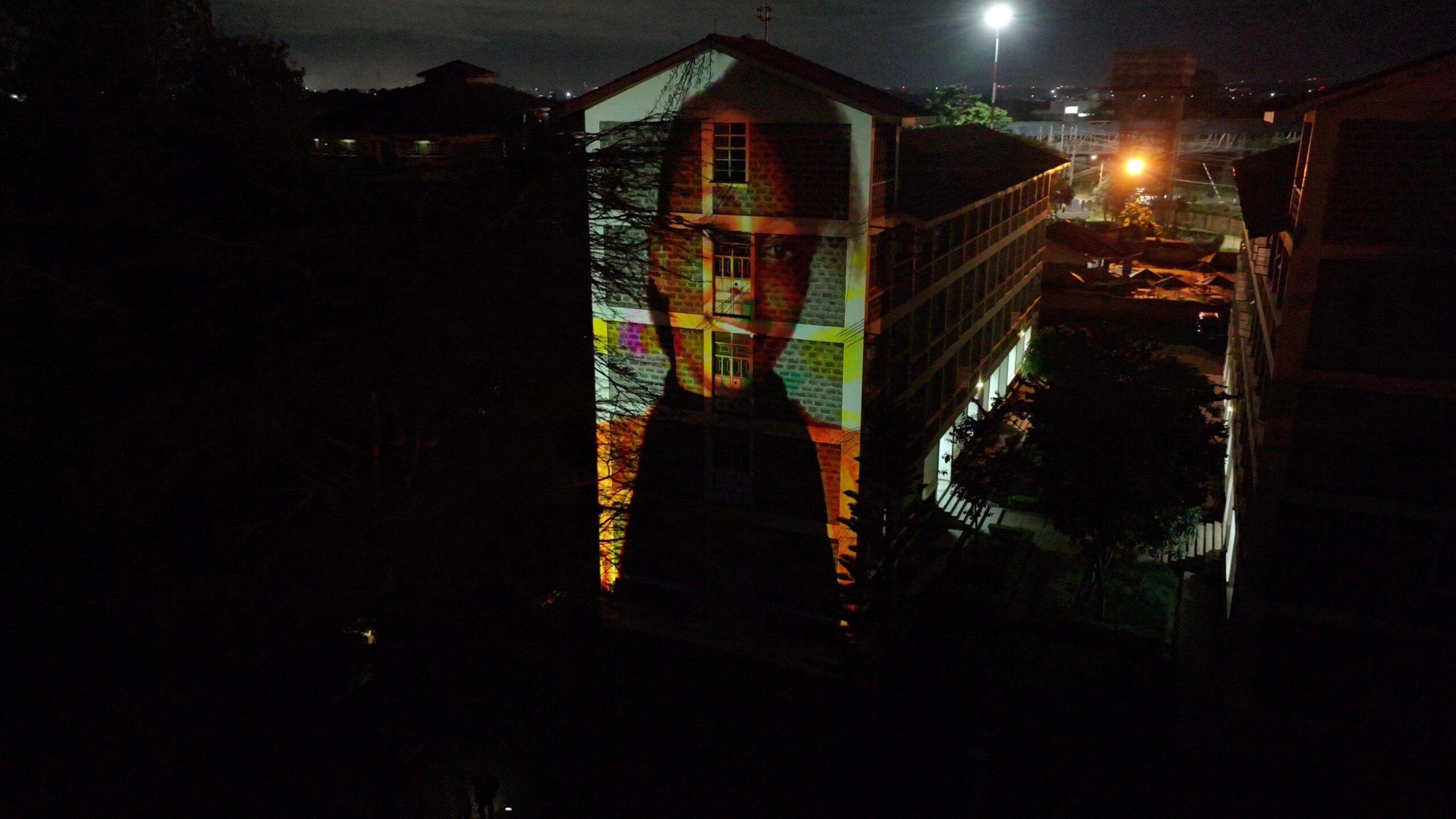
Franz Cerami arrived in Kenya in March 2024 without interest in monuments or postcard landscapes. He was looking for people.
Over several weeks, he travelled across the country’s coffee-growing and processing communities, photographing roughly 300 women and men whose hands, knowledge and endurance sit behind one of the world’s most consumed beverages.
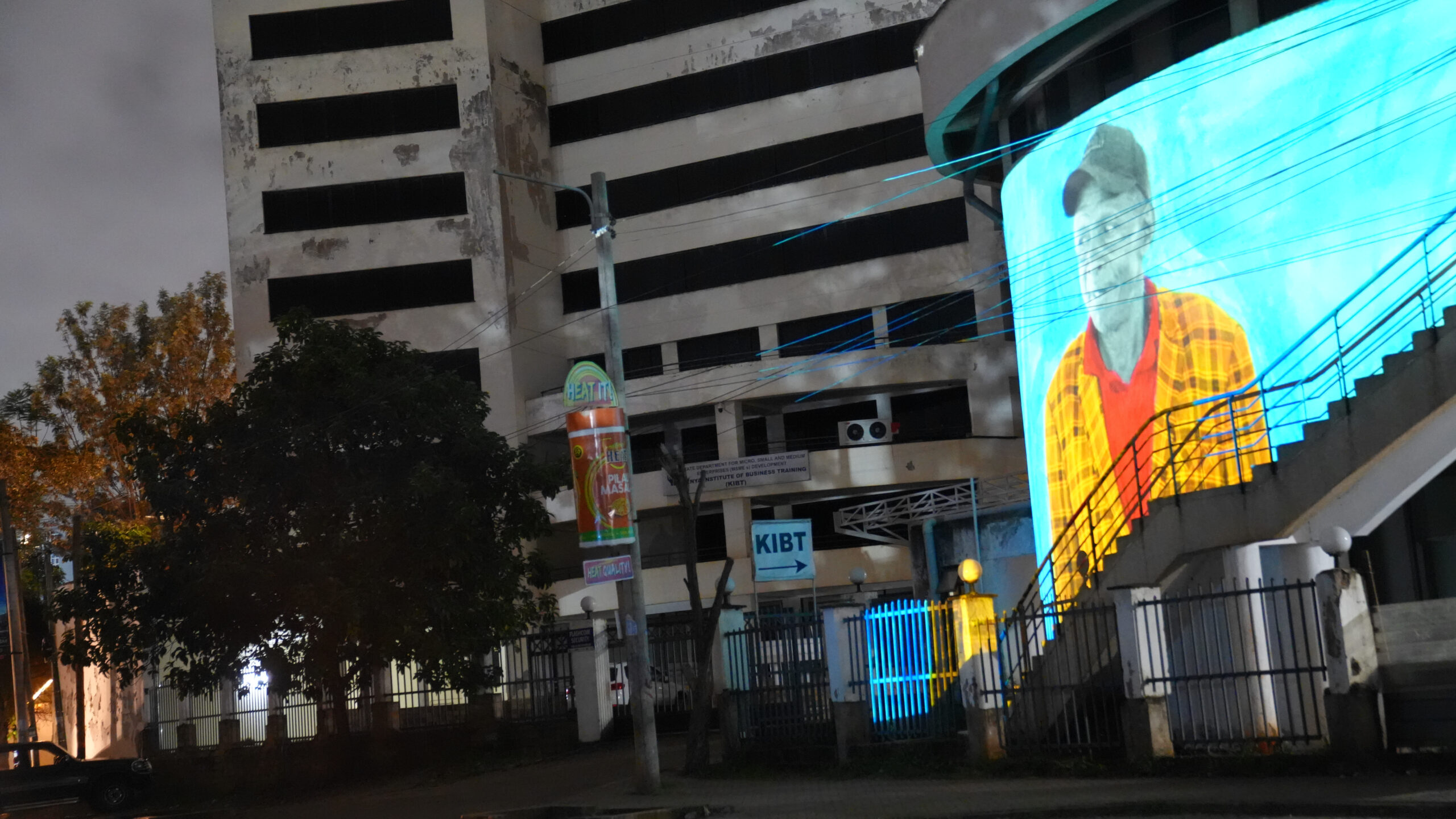
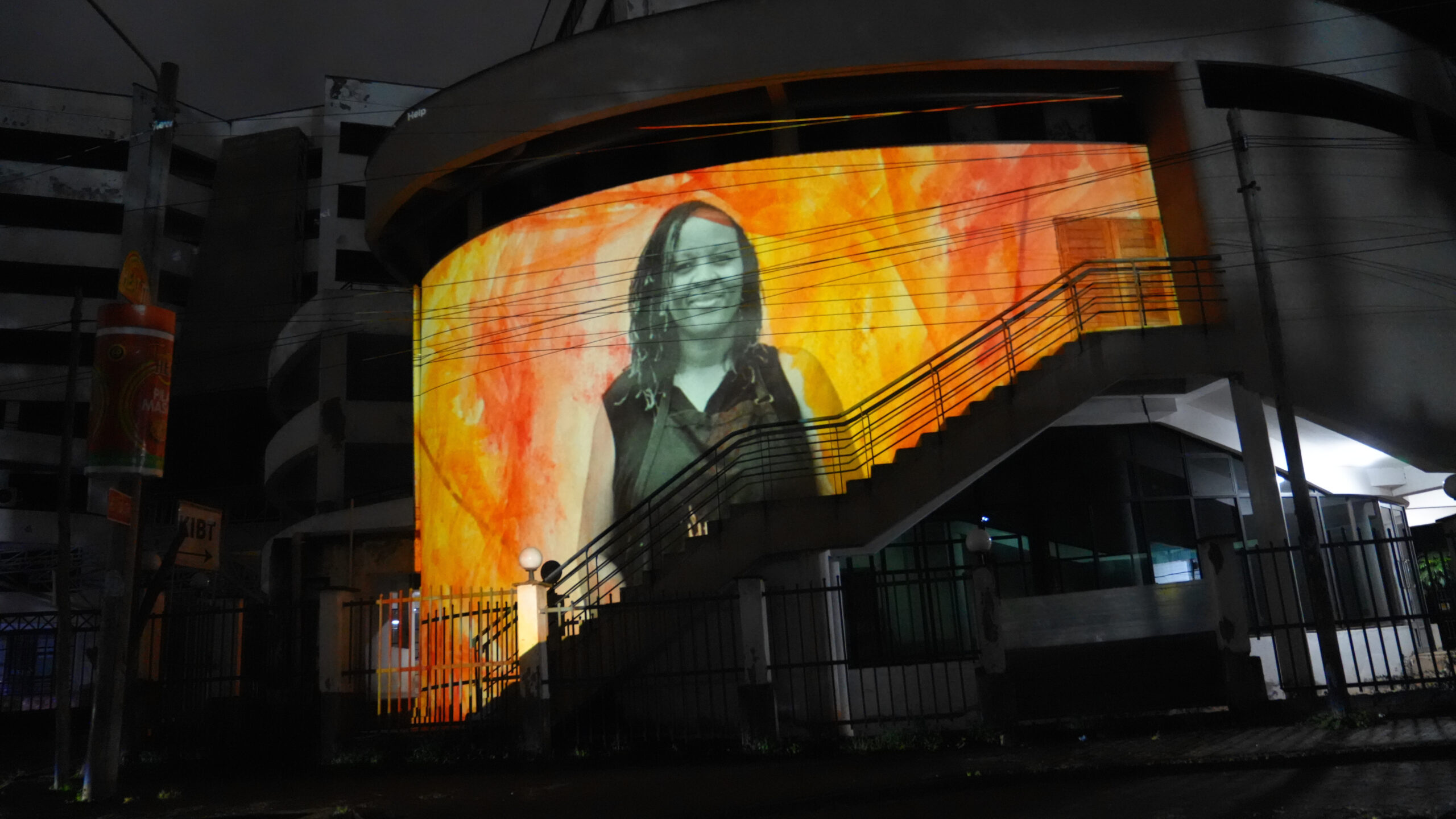
The result is Jute Portraits, a multimedia art project that places Kenya’s coffee workers at the centre of a global cultural conversation. Portraits were projected onto buildings and public spaces across Nairobi, stopping passersby mid-stride. People looked up, asked questions, and encountered Kenyan coffee workers not as anonymous labourers but as subjects of contemporary art.
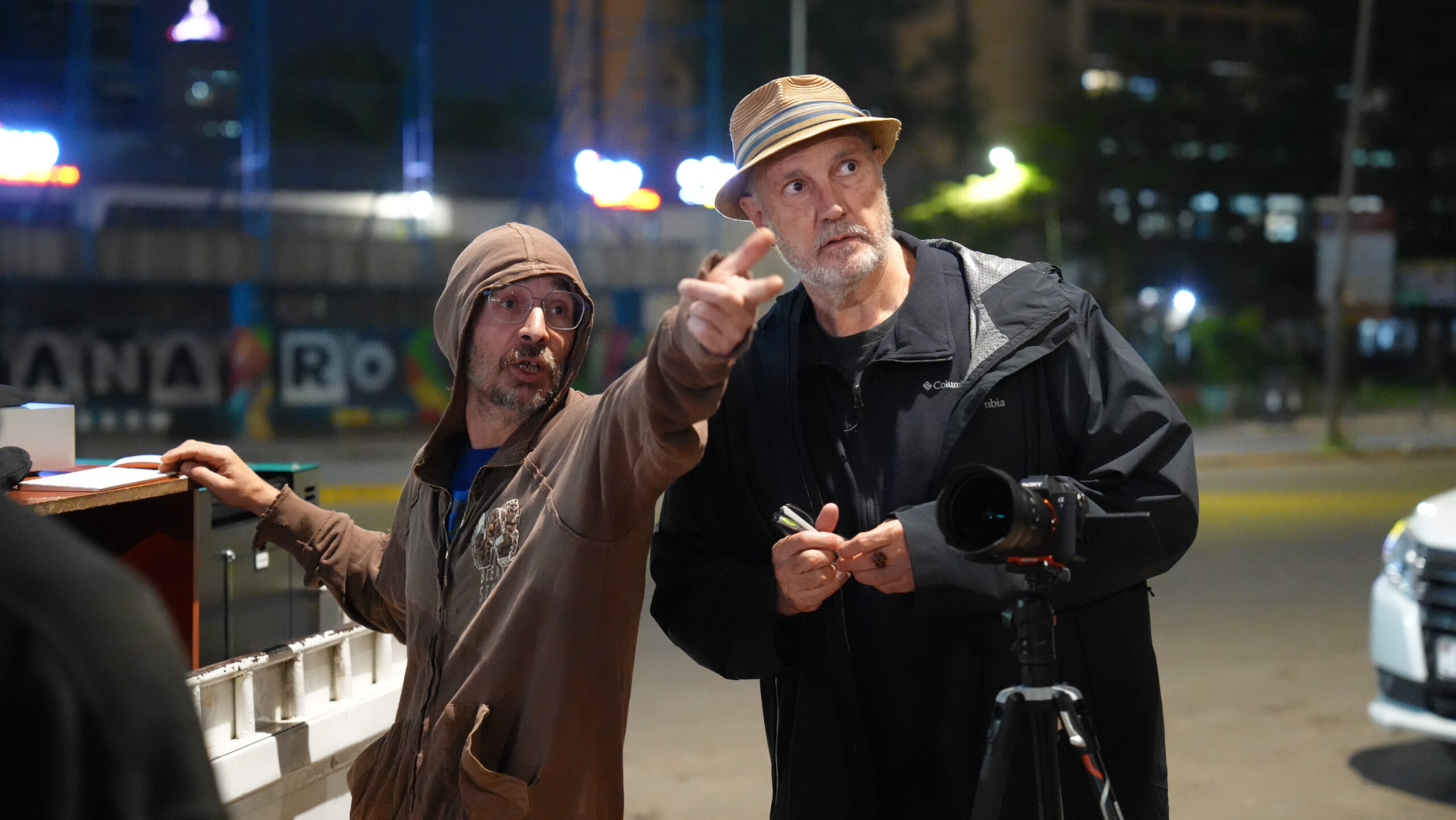
Who is Franz Cerami
Cerami is one of Italy’s leading contemporary visual artists, working at the intersection of public art, digital installation, video mapping and human storytelling. Born in Naples, he has transformed buildings, streets and cultural spaces into large-scale visual experiences across Europe and beyond. The Italian Ministry of Foreign Affairs and International Cooperation has appointed him three times as Ambassador of Italian Design in the World.
That such an artist chose Kenya’s coffee value chain as his subject carries weight. It signals that the stories of farmers, pickers, processors, scientists and exporters are not peripheral to culture. They are culture.
From photograph to projection
Cerami began with his camera. Back in Italy, he reworked the images through painting, watercolour, graphite and digital techniques, transforming still portraits into moving images and large-scale projections. The name Jute Portraits refers to the jute sacks used to carry harvested coffee, but it also traces the wider journey of the people who fill them.
“The first thing I could say was Angalia hapa, look here. Behind every cup of coffee are many hands and many stories,” Franz Cerami.
One moment from the shoot stayed with him long after he returned home: a 95-year-old woman whose face, strength and smile refused to leave his memory. For Cerami, Kenya revealed itself not through geography but through colour, human presence and accumulated emotion. That visual richness became the artistic language of the finished installation.
Cultural diplomacy with a Kenyan face
The project was conceived as part of Italy’s National Day celebrations in Kenya, under the leadership of H.E. Vincenzo Del Monaco, Ambassador of Italy to Kenya and Seychelles. For Ambassador Del Monaco, Jute Portraits is not simply an exhibition. It is an act of cultural diplomacy rooted in the shared history of coffee between the two countries.
“We are bringing colour, music, light and human stories into public spaces. This is one of the most beautiful sides of diplomacy: bringing people together without asking for anything in return. It is not transactional. It is not political. It is simply the joy of art and the immense power of human connection,” H.E. Vincenzo Del Monaco, Ambassador of Italy to Kenya and Seychelles
Italy is globally associated with coffee culture, from the espresso ritual to the architecture of the bar counter. Kenya, meanwhile, produces some of the most complex and sought-after coffee in the world. Yet the people who make that possible rarely appear on any platform that matches their contribution.
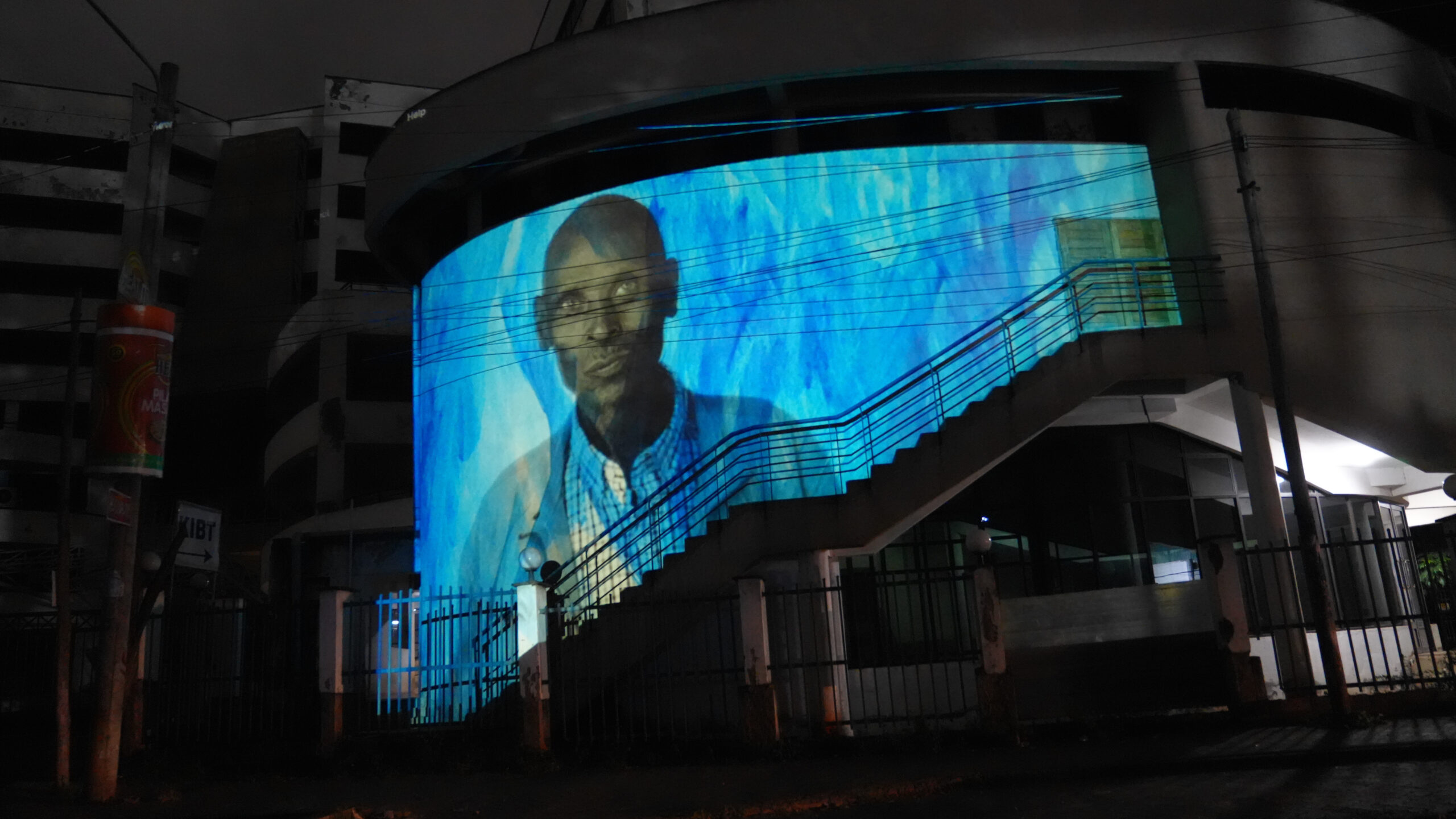
Where the portraits are headed
Jute Portraits is supported by the Embassy of Italy in Kenya, the Italian Cultural Institute and UNIDO. The installation will travel beyond Nairobi’s streets to major institutional platforms, including UNIDO headquarters, the National Museums of Kenya, the Ministry of Culture and the new United Nations Office at Nairobi facility currently under development. The faces of Kenya’s coffee workers will move from farms and processing stations to some of the most significant diplomatic and cultural spaces in the world.
Returning presence to the worker
Too often, the people who carry entire value chains remain invisible. Their work surfaces in export figures and commodity reports, rarely in portraits, projections and museum rooms. Cerami’s installation disrupts that pattern. It returns presence to the worker, colour to the story and emotion to an economy that often strips both away.
The project also arrives at a moment when Kenya is actively seeking to deepen value addition in agriculture, strengthen its creative industries and build strategic international partnerships. Italy brings expertise in design, industrial craftsmanship, food processing and coffee culture. Kenya brings world-class coffee, a young creative economy and agricultural strength. Jute Portraits turns that combination into something people can see, feel and remember.
“Coffee is not just a beverage. It is an economic story, a cultural story and a human story. Behind every cup of coffee there is a supply chain, and behind every supply chain there are human beings,” Vincenzo Del Monaco.
A mirror and a bridge
As the installation travels from Nairobi’s public walls to national and international stages, it carries with it the faces of the women and men who make Kenyan coffee possible. Their portraits will speak in colour, light and movement. They will remind every audience that the story of coffee is not written only in farms, factories and cafés. It is written on human faces.
For Kenya, that is the quiet power of this project. The world is not only drinking its coffee. It is finally being asked to look at the people who grow it.
