


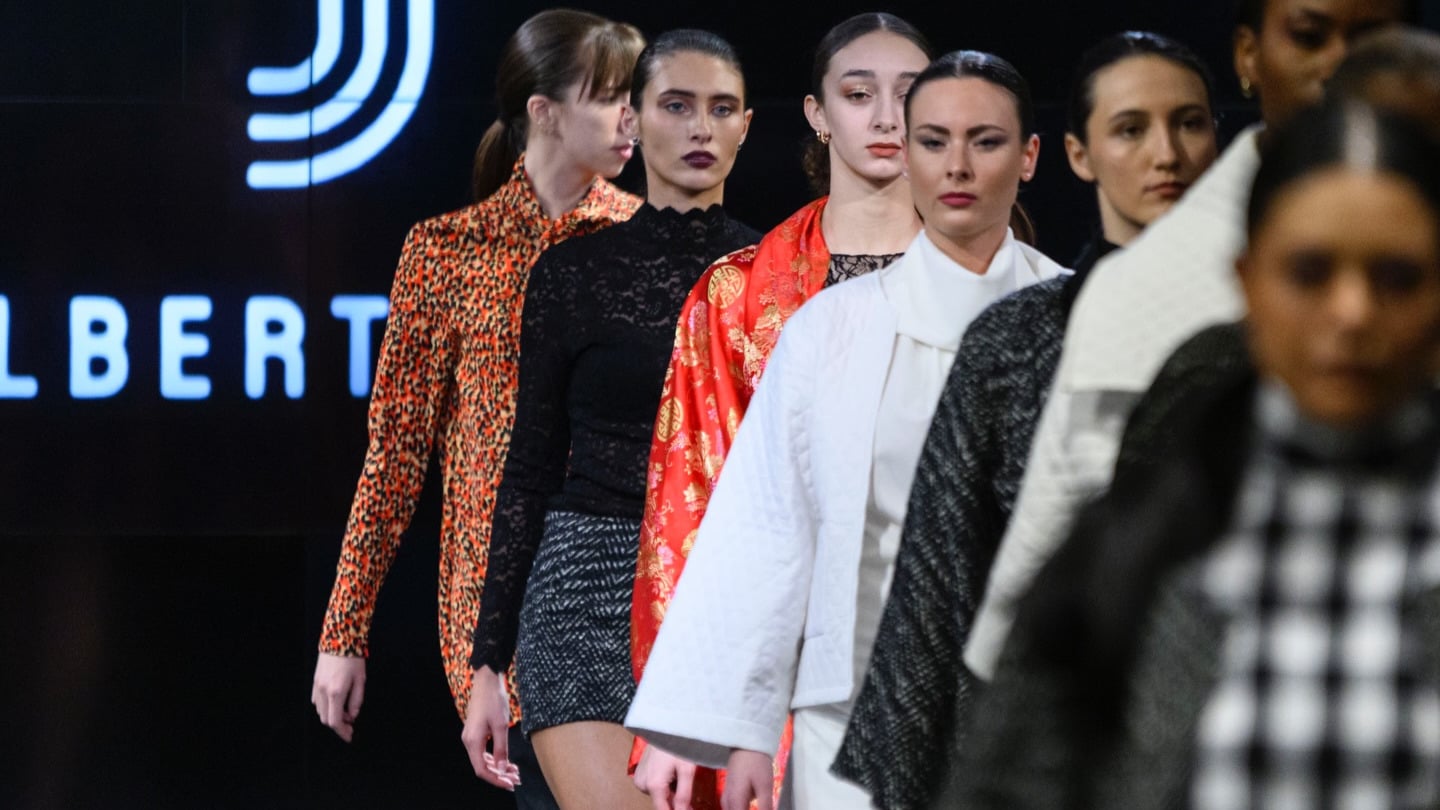
Noir Fashion Week returns to Nairobi from 6 to 9 August 2026, anchoring its expanded global tour that also takes in Paris, New York and South Africa.
The theme this year is The African Code, a programme built not around spectacle but around argument: that the textiles, rituals and material traditions of African design constitute a system of authority within global luxury, not a footnote to it.
Why Nairobi, and Why Now
The choice of Nairobi is deliberate. Cities including Lagos, Johannesburg and Nairobi have spent the past decade building credibility as regional fashion capitals, attracting international buyers, investment and creative talent. Noir’s return to Kenya deepens that trajectory, positioning East Africa as a distinct aesthetic voice rather than a market waiting to be discovered by outside interests.
“Our return to Kenya is not a repetition, it is a continuation,” said Nicole M. Bess, founder of Noir Fashion Week. “With The African Code, we are not just showcasing fashion. We are decoding the intelligence behind it and positioning African creativity as a system of authority within global luxury. The only way to spell Noir is Global. Our mandate has never been local visibility. It is global positioning, ownership, and influence.”
The platform operates as both a cultural showcase and a commercial infrastructure, connecting designers, artisans and cultural producers with media, buyers, investors and long-term partnership opportunities. Its stated mission centres on creating structured pathways for Black, Indigenous and People of Colour creatives to access ownership and commercial viability within the international luxury industry.
Tigoni Provides the Setting
The 2026 edition takes place against Tigoni’s rolling tea estates and colonial-era architecture, a setting that mirrors the event’s broader tension between inherited history and forward-facing ambition. The four days of programming span four distinct formats.
The Power 30 Awards recognises figures across fashion, business and culture. A Global Fashion Summit examines Africa’s luxury economy and its relationship to global trade and investment. Runway presentations spotlight emerging designers and street culture. The Noir Locale Market provides a commercial platform connecting designers directly with consumers, closing the loop between cultural production and commercial exchange.
The Creative Director Shaping the 2026 Edition
Itumeleng Kwele, an award-winning stylist appointed as resident creative director for the Nairobi edition, brings experience across fashion, media and luxury environments. His previous collaborations include Robb Report Africa and Billboard, positioning him to translate the conceptual ambition of The African Code into experiences that work both as storytelling and as commerce.
A Platform Built for the Long Term
Noir Fashion Week frames its work as ecosystem building rather than event production. The distinction matters. Africa’s fashion sector has drawn sustained international attention as global brands and retailers seek both consumer markets and creative talent across the continent. What Noir proposes is that African designers should enter that conversation as primary stakeholders, not as discovery stories told by others.
The Nairobi edition this August offers a concrete test of that proposition. If The African Code lands as intended, it will do more than fill four days of runway and panel programming. It will advance the case that East African fashion has the depth, the infrastructure and the commercial logic to hold its own in any room in the world.
