



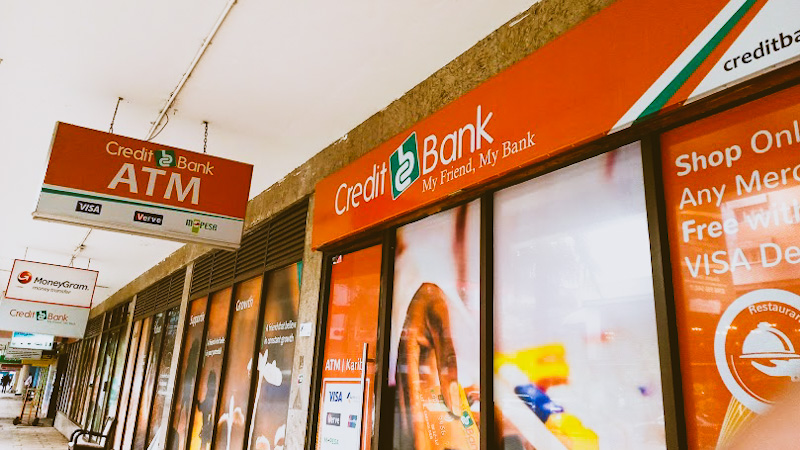
Anzens, issuer of the dollar-backed stablecoin USDA, has partnered with Credit Bank PLC to integrate its blockchain-based payment infrastructure into the Kenyan lender’s service suite.
This initiative marks a pivot from speculative digital assets toward functional financial utility within a regulated environment.
Modernizing Cross-Border Settlements
The partnership aims to embed regulated stablecoin infrastructure into traditional banking, replacing slow, high-cost correspondent banking systems. The project remains in an exploratory phase and requires ongoing consultation with the Central Bank of Kenya.
If regulators approve the model, Credit Bank will become the first commercial bank in an emerging market to distribute, mint, and redeem a stablecoin. Rather than acting as a standalone crypto product, USDA will function as an invisible settlement layer for the bank’s existing account holders.
Reducing Transaction Costs and Delays
Kenya’s cross-border payment landscape currently relies on SWIFT-based correspondent banking. This legacy process routes funds through multiple intermediary banks, adding fees and delaying settlement by up to five working days. With average remittance costs in Sub-Saharan Africa reaching nearly 8%, businesses face significant margin compression when trading with partners in Asia, the Middle East, or other African nations.
The proposed solution offers a streamlined alternative:
-
Cost Efficiency: A flat 1.5% transaction fee regardless of the payment corridor.
-
Speed: Settlements execute in minutes rather than days.
-
Accessibility: Users initiate transactions through existing Credit Bank accounts.
-
Seamless Conversion: Automatic conversion between local currency and USD, with Credit Bank serving as the custodian for all funds.

Addressing Growing Demand
The urgency for this integration stems from shifting market behavior. Kenyans processed $3.3 billion in stablecoin transactions in the year ending June 2024, highlighting a clear preference for digital alternatives to overcome currency volatility and high fees.
“We are not asking banks to become crypto companies,” says Shantnoo Saxsena, CEO of Anzens. “We are giving them infrastructure that solves a real problem. A business in Nairobi trading with suppliers in Mumbai should not pay 8% in fees and wait a week for payment to clear.”
Credit Bank sees this move as a strategic expansion of its existing capabilities. “Stablecoins are not speculative assets in this context,” says Betty Korir, CEO of Credit Bank PLC. “They are settlement infrastructure. We are bringing that capability inside a regulated banking relationship, where it belongs.”
Expanding into Real-World Assets
Beyond payments, the collaboration extends to tokenized real-world assets. Working alongside Yeshara—which holds approval from Kenya’s Capital Markets Authority—the partners intend to enable USDA as a payment option for tokenized real estate and commodities.
By housing the entire fiat-to-stablecoin-to-fiat cycle within a licensed institution, this partnership eliminates the need for businesses to rely on unregulated crypto exchanges. It represents a significant step toward bridging the gap between traditional finance and blockchain efficiency, ensuring that the next wave of financial innovation occurs under the supervision of established regulatory frameworks.
