


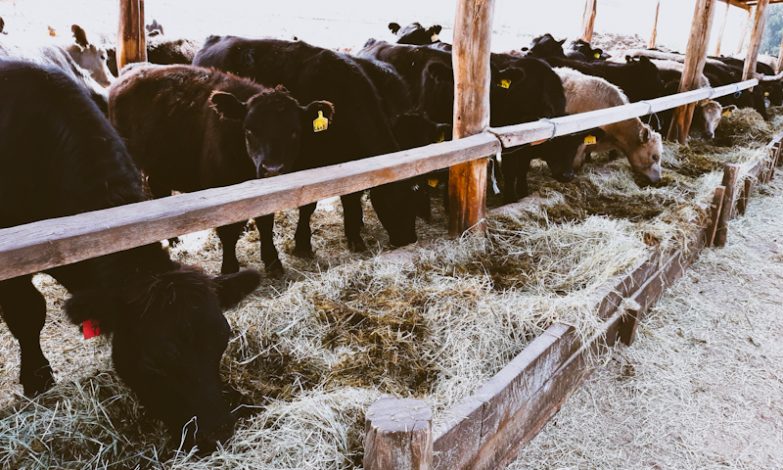
Kenya is building a digital record for its livestock. The Animal Identification and Traceability System, known as ANITRAC, will follow an animal from birth through vaccination, ownership changes, movement and eventual slaughter.
The goal is to turn a largely informal meat trade into a system that regulators, buyers and processors can actually verify, and that can compete for higher paying export markets.
What to know
- ANITRAC assigns every registered animal a unique digital identity, replacing paper records, memory and declarations made at the slaughterhouse door.
- Kenya produced 613,627 tonnes of meat worth about KSh397 billion in 2024, according to Agriculture and Livestock Development Cabinet Secretary Mutahi Kagwe, who is leading the rollout.
- The system tracks vaccination history, ownership and movement, giving buyers and processors a way to confirm where an animal came from and how it was handled before it entered the food chain.
- Ear tags and microchips are manufactured locally by Kenyan universities, a detail Kagwe has cited as a sign of the country’s growing capacity to build its own agricultural technology.
Building a digital trail from farm to slaughterhouse
Under ANITRAC, animals carry visual ear tags and electronic chips linked to a central database. Authorised officials, veterinarians, abattoirs and traders can pull up an animal’s record instead of relying on a seller’s word. That record can settle questions that used to go unanswered: where an animal originated, who owned it, whether it received required vaccines and whether it passed through the right checkpoints on its way to market.
For disease control, the payoff is speed. Officials can trace an outbreak back to a specific farm or route and isolate exposed animals before an illness spreads across a herd or a region, rather than working backward through incomplete paperwork after the fact.
A tool against cattle rustling
Livestock theft has drained income from pastoralist communities for decades, and insecurity linked to rustling remains a persistent problem in the North Rift.
A digital record makes stolen animals harder to sell, since a chip or tag that does not match a registered owner raises an immediate flag. Kagwe has framed ANITRAC as part of the government’s response to rustling and banditry in the region, alongside its role in disease surveillance and market access.
Chasing premium export markets
Buyers in international meat markets pay close attention to food safety, animal health and where an animal came from. Kenya’s main meat export destinations, Saudi Arabia, the United Arab Emirates, Bahrain and Kuwait, increasingly expect suppliers to document that history before a shipment clears. A traceable record linking an animal to its origin and health status gives Kenyan processors a way to demonstrate compliance rather than simply assert it, which is the kind of consistency that opens the door to markets willing to pay more.
The stakes are measurable. Kenya exported meat and edible meat offal worth $145.42 million in 2024, according to United Nations Comtrade figures compiled by Trading Economics. Separate industry data from the Invest Kenya sector profile on meat and poultry puts export growth at about 22.8 percent a year, with the country holding a positive trade balance in meat products. Traceability is meant to protect and extend that trend rather than start it from zero.
Equity Group: Transforming Africa’s Livestock and Leather Economy
Kenya’s meat industry, by the numbers
Government data shows the sector has been expanding for several years, not just in 2024. Meat production rose from 464,500 tonnes worth KSh241 billion in 2022 to 556,700 tonnes worth KSh305 billion in 2023, according to the Kenya National Bureau of Statistics National Agriculture Production Report. Kagwe’s 2024 figures of 613,627 tonnes and KSh397 billion continue that upward line.
Beef remains the largest single category, accounting for about 260,000 tonnes of production in 2024 worth roughly KSh160 billion, a figure close to the KSh159.7 billion cited in the Invest Kenya sector profile. Goat meat, mutton, poultry, camel meat, pork and smaller categories such as rabbit meat make up the rest of an industry that officials say still has room to grow, particularly if more of it can be processed and sold at home rather than shipped out live.
Why Kagwe wants processing to happen at home
Kagwe has repeatedly argued that exporting live animals sends the jobs and income tied to processing to other countries. Slaughtering, packing and adding value to meat inside Kenya keeps that income local and allows producers to sell finished products rather than raw livestock, which typically command lower prices than cuts, sausages or other processed goods.
Kenya currently has close to 2,000 slaughter facilities: 49 large slaughterhouses, 322 medium sized facilities and about 1,530 slaughter slabs, according to figures Kagwe cited and reported by the Kenya News Agency.
The government says it wants to raise the quality and output of the facilities already running, addressing gaps in hygiene, inspection, refrigeration, logistics and waste handling that Kagwe has flagged as weak points across the value chain.
What still needs investment
Kagwe has called for spending beyond tagging alone, including genetics, artificial insemination, breeding, animal nutrition, water infrastructure, climate adapted production and livestock insurance. He has also pointed to a secondary benefit: animals handled more carefully under ANITRAC tend to produce better hides and skins, which supports Kenya’s leather industry and gives processors a second revenue stream from a single animal, alongside meat.
A chip alone will not turn Kenyan beef or goat meat into a premium product. What it can do is supply the missing link between the farmer who raised the animal, the processor who slaughtered it, the regulator checking compliance and the buyer deciding whether to pay a premium for it. Whether ANITRAC delivers on that promise will depend less on the technology itself than on how consistently it gets used, from the first tag on a calf to the final stamp at export.
How Stanbic Bank is Connecting Kenyan Farmers to Markets through Digital Platforms
