


Hemas Holdings PLC has entered the East African market, acquiring a 75% stake in Twiga Stationers & Printers Limited for USD 16.2 million. The deal marks the Sri Lankan conglomerate’s first international acquisition and gives it a manufacturing base in Kenya, one of the region’s fastest growing consumer economies.
Twiga ranks among Kenya’s leading stationery manufacturers. It owns three household names in the local market: Kasuku, CrownBird and Envoy. The company also exports across East Africa, which gives Hemas a launchpad into neighbouring markets rather than a single country footprint.
Hemas completed the purchase through its subsidiary Atlas Axillia Company, filings with the Colombo Stock Exchange show. The two sides signed a conditional agreement in September 2025, and Kenya’s Competition Authority cleared the transaction in January 2026. Approval from the Central Bank of Sri Lanka followed before the deal closed this month.
Why Kenya, and why now
Kenya’s economy runs past USD 136 billion, and its population has climbed above 54 million, with a median age skewed young. Those numbers matter to a stationery business tied to school terms and household spending cycles.
Hemas already runs Atlas Axillia, Sri Lanka’s top learning and stationery brand. Atlas products sit on shelves in more than 70,000 outlets across the island, spanning notebooks, pens, pencils and colour products under the Atlas, Zebra X, Homerun and Innov8 names. Pairing that distribution muscle with Twiga links two companies that manufacture, sell and distribute into the same seasonal demand: the back to school rush that drives stationery sales across South Asia and East Africa alike.
Twiga is not the group’s first venture outside Sri Lanka. Hemas Consumer Brands already operates in Bangladesh, where it holds a 12% share of the value added hair oil and coconut oil segment through its Kumarika range and reaches more than 270,000 retailers. Bangladesh now contributes close to 9% of Consumer Brands revenue, built almost entirely on local manufacturing and a leadership team that is 90% Bangladeshi. Kenya gives Hemas a second overseas market to apply that same playbook, this time centred on stationery rather than personal care.
Ashish Chandra, Group CEO of Hemas Holdings, called the acquisition a pivotal step in the company’s push beyond Sri Lanka. “Our entry into Kenya gives us access to a large, young and growing consumer market, while also creating a platform to explore the broader East African opportunity over time,” he said. He added that Twiga’s market position and distribution network complement what Atlas Axillia has built in brand development, product innovation and operations.
Sabrina Esufally, Managing Director of Hemas Consumer Brands, framed the deal as part of a wider regional strategy. “The acquisition of Twiga is a bold step forward in our ambition to build consumer centric brands across growth markets,” she said. “With East Africa and Bangladesh now forming important pillars of our international consumer strategy, we expect regional markets to play an increasingly meaningful role in the future growth of Hemas Consumer Brands.” Esufally later told reporters the deal gives Hemas a chance to demonstrate what Sri Lankan brands can achieve in markets that sit outside their comfort zone, according to EconomyNext. Hemas has set a target of drawing 15% of group revenue from foreign markets by 2030.
Chandra has also flagged the risks ahead. Supply chains, local competition and Kenya’s political climate will shape how the integration unfolds, he told EconomyNext, and management plans to watch those factors closely as Twiga folds into the group.
A pattern across home and personal care
The Twiga purchase fits a broader trend among consumer goods groups in emerging markets: buying local manufacturers with strong distribution rather than building factories from scratch. Regional players in home and personal care, from stationery to household cleaning brands, have leaned on acquisitions to shortcut years of brand building and route to market development. For companies like Hemas, a business with existing shelf space, working plants and known brand names removes much of the execution risk that comes with a first entry into a new country.
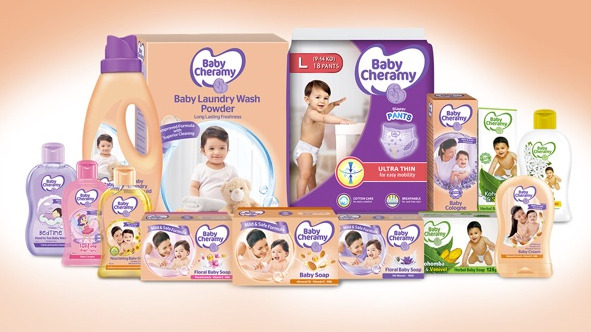
Hemas built that same model at home over five decades. Its manufacturing arm produces and markets home and personal care staples across hair care, skin care, toiletries, fragrances and oral care under names including Baby Cheramy, Clogard, Kumarika, Dandex, Fems, Velvet and Vivya, sold through more than 600 outlets around Sri Lanka and exported to over 15 countries. That domestic scale, paired with newer regional bets in Bangladesh and now Kenya, points to a group increasingly built on owning strong local brands rather than importing global ones.
How the wider group is performing
Hemas reported record full year earnings for FY26, with group profit up 10.7% to Rs 8.92 billion and revenue rising 8.0% to Rs 127.4 billion. Consumer Brands, the division that includes Atlas Axillia and will now house Twiga, grew revenue by 2.2% and earnings by 6.5% on stronger volumes. Healthcare and Mobility posted faster growth over the same period, at 11.5% and 17.8% revenue growth respectively.
The momentum cooled in the first quarter of the new financial year. Group revenue rose a modest 0.9% to Rs 28.77 billion for the three months to June 2026, while earnings fell 21.4% as EBITDA margins narrowed under pressure from energy costs and currency swings. Consumer Brands still grew during the quarter, one of the few segments to do so, even as the group’s Life Sciences business declined 3.8%. Management has said restoring margins and protecting volumes across Consumer Brands and Life Sciences remain immediate priorities.
Set against that backdrop, the Twiga acquisition gives Hemas a new growth lever outside a domestic market still working through economic reform. The Group says it remains committed to investing in Sri Lanka even as it expands abroad, and plans to keep building purpose driven brands, regional capabilities and long term value for consumers, employees and shareholders across both markets.
