



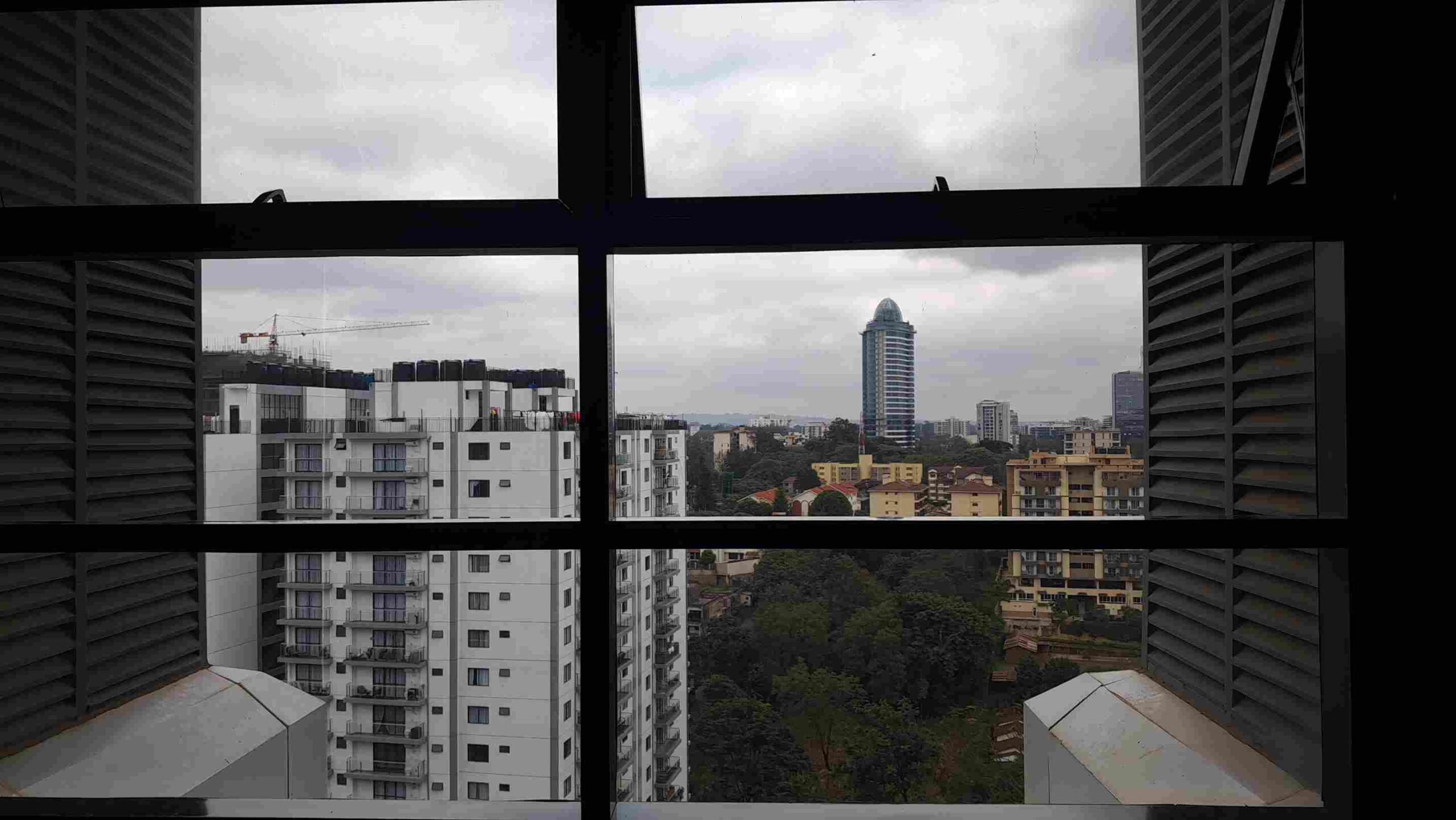
Kenya’s residential property market is telling two very different stories at once. Standalone houses are climbing fast. Apartments are still stuck in reverse.
That’s the picture from the Kenya National Bureau of Statistics’ latest Residential Property Price Index (RPPI), covering the first quarter of 2026. The full report shows the overall index rose 4.8 percent year on year, reaching 118.4 in Q1’2026, up from 113.0 in Q1’2025. Quarter on quarter, growth was far more modest at 0.6 percent, up from 117.7 in Q4’2025.
| Segment | Q1’2025 Index | Q1’2026 Index | Annual Change | Quarterly Change |
|---|---|---|---|---|
| Overall RPPI | 113.0 | 118.4 | +4.8% | +0.6% |
| Apartments | 91.5 | 88.7 | -3.0% | -0.2% |
| Standalone Houses | 123.2 | 133.6 | +8.5% | +1.0% |
Source: KNBS Residential Property Price Index, Q1’2026
Apartments Keep Losing Ground
The apartment index fell 3.0 percent year on year, dropping to 88.7 in Q1’2026 from 91.5 a year earlier. It also slipped 0.2 percent quarter on quarter, down from 88.9 in Q4’2025.
This is now the fourth straight quarter of decline, and the reasons are not hard to find. Supply keeps outpacing demand, especially in Nairobi’s upper and middle income suburbs, where prices remain under sustained pressure. Buyers in these areas simply have more choice than they can absorb, and developers are feeling it.
But the picture isn’t uniform across the city. Apartments in Nairobi’s peri-urban belt and in regions outside the capital actually gained value, pointing to demand that’s shifting toward cheaper, less saturated markets. Investors and owner occupiers appear to be voting with their feet, moving toward areas where supply hasn’t yet caught up with interest.
Put simply, apartments remain the weak link in Kenya’s housing market. Slower absorption of existing units, combined with cautious buyer sentiment, continues to weigh on prices.
| Location | Q1’2025 Index | Q1’2026 Index | Annual Change |
|---|---|---|---|
| Nairobi Upper | 94.6 | 90.1 | -4.8% |
| Nairobi Middle | 88.2 | 85.3 | -3.3% |
| Nairobi Other | 103.2 | 107.5 | +4.2% |
| Other Regions | 99.4 | 106.9 | +7.5% |
Source: KNBS Residential Property Price Index, Q1’2026
Standalone Houses Post Strong Gains
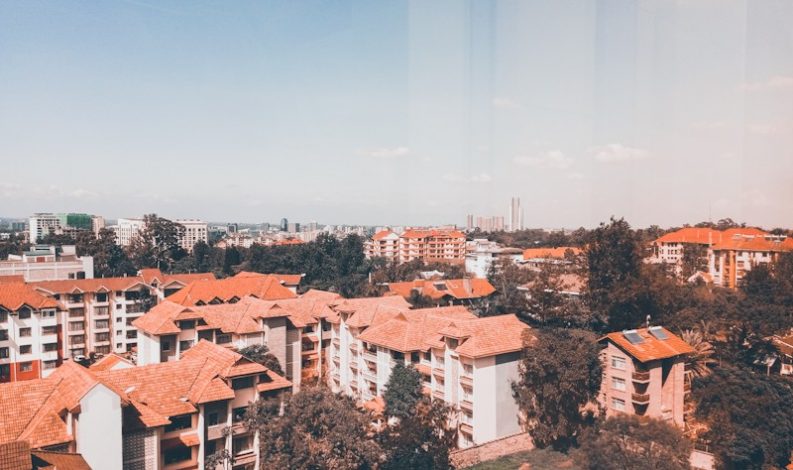
Standalone houses tell the opposite story. The index for maisonettes, bungalows, townhouses and villas jumped 8.5 percent year on year, hitting 133.6 in Q1’2026 compared with 123.2 in Q1’2025. On a quarterly basis, it rose 1.0 percent, up from 132.2 in Q4’2025.
What’s driving this? A growing appetite for lower density living. Buyers increasingly want space, privacy and room to expand, and suburban markets are expanding to meet that demand. Every single stratum tracked in the standalone housing category posted annual gains, a sign that this growth isn’t confined to one pocket of the market. It’s broad and it’s consistent.
The gap between the two segments keeps widening. Buyers and investors are showing a clear preference for standalone homes over apartments, and that preference is reshaping how developers think about where to build next.
What Analysts Are Watching
Cytonn Investments frames the divide as a defining feature of the current market. The firm notes that while the overall residential sector remains resilient, the contrast between standalone houses and apartments shows that demand favours lower density developments, while the apartment segment stays constrained by oversupply in specific urban pockets and softer buying activity.
Cytonn expects that trend to continue. The firm projects standalone housing will keep driving price growth, backed by ongoing suburbanization, infrastructure expansion and steady demand from end users. Apartments, meanwhile, face a longer road back. Recovery there will likely stay gradual until developers work through existing stock and financing terms become friendlier for buyers.
The Bigger Picture
Kenya’s property market isn’t cooling. It’s specializing. Standalone houses have become the engine of growth, pulling the overall index upward even as apartments continue to drag it down. For buyers, that means opportunity: apartment prices in oversupplied urban markets could soften further, while standalone homes in expanding suburbs are only likely to get pricier. For developers, the message is just as clear. The demand is moving. The question is whether supply moves with it.
