


Kenya’s internet story is, at its core, a smartphone story. Everything else is a footnote.
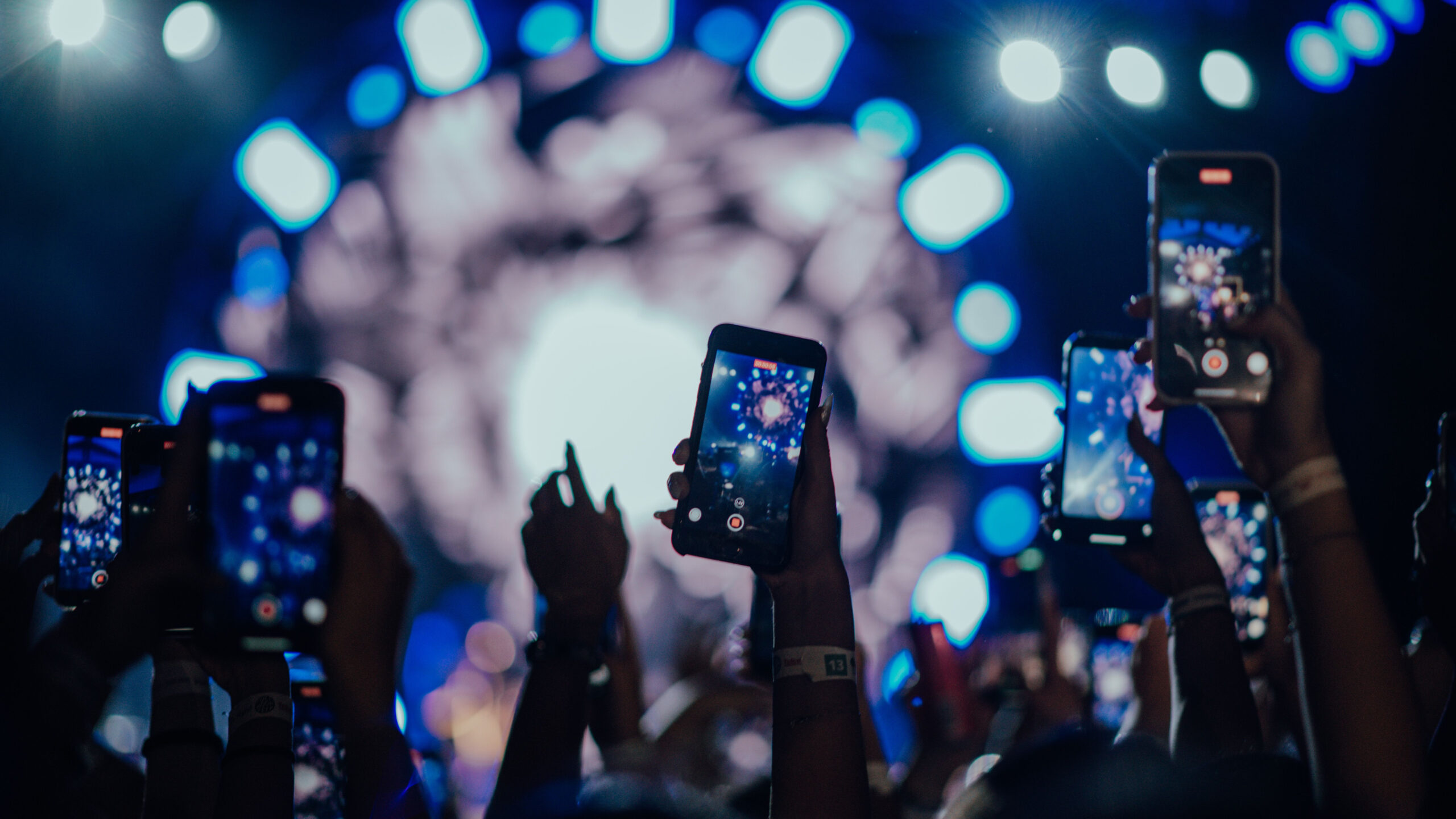
The Communications Authority ‘s April 2026 Audience Measurement and Industry Trends Report makes that clear from the data up. An overwhelming 98.2% of Kenyan internet users accessed the web via a mobile smartphone in Q3 2025/26. Laptops trailed at 5.8%, Smart TVs at 1.2%, tablets at 0.9%, and desktops at a barely visible 0.6%. Any business, media house, or government agency still designing digital strategy around desktop screens has already lost the plot.
The smartphone monopoly
The scale of mobile dominance matters because it reframes what “digital strategy” actually means in Kenya. It means smartphone strategy. It means apps load fast on a 4G connection in Kibera. It means checkout flows work on a 6-inch screen in Kisumu. It means content renders without a horizontal scroll on a mid-range Tecno handset. The device question is settled. Everything downstream from it should follow that reality.
A divide that demands attention
Progress on digital access has been real, but deeply uneven. Internet usage reaches 92% among the highest income group (LSM 12+), yet collapses to between 4% and 8% among the lowest tier (LSM 1–4). That is not a gap. It is a structural fracture.
Geography compounds the problem. Nairobi records 77% internet penetration. Lower Eastern sits at 47%. North Eastern, despite relatively higher urban concentration, fluctuates. Regions such as South Nyanza, Western, and the Rift register below the national average of 57%. The barriers are familiar: infrastructure deficits, the cost of devices, and inconsistent network coverage. What the report underlines is that these are not declining barriers. They remain firmly in place.
Digital advertising closes the gap on traditional media
The money tells the most consequential story of all.
Total quarterly advertising spend across television, radio, and print combined reached KES 12.71 billion in Q3 2025/26. In the same period, digital advertising spend alone came to approximately KES 11.76 billion in Q1 2025/26, pulling almost level with every legacy channel put together. That trajectory points in one direction.
| Medium | Q3 2025/26 Spend (KES Millions) |
|---|---|
| Free-to-Air TV | 7,352 |
| Radio | 4,121 |
| 1,231 | |
| Total Traditional | 12,719 |
| Digital (Q1 2025/26) | 11,760 |
Within traditional media, Free-to-Air television defends its position as the dominant vehicle, accounting for KES 7.36 billion of the KES 12.71 billion total. Pay TV barely registers by comparison, attracting negligible advertiser spend across every quarter measured. Banking and Finance leads radio investment at KES 1.097 billion, while Media and Publishing drives the largest single TV budget at KES 1.077 billion in Q3. On the digital side, Meta platforms absorb nearly four-fifths of all digital investment. Facebook commands the largest individual share, though its proportion declined from 52% in Q1 2025/26 to 43% in Q2, before dropping further to 29% in Q3, with Instagram holding steadier ground.
Video streaming outpaces social media daily use
Facebook and WhatsApp remain the most widely used social media platforms in Kenya, with TikTok and YouTube closing the distance fast. The more striking signal, however, sits in frequency data. Daily online video streaming engagement reached 36% in Q3 2025/26, edging past daily general social media use at 31%. Television and radio each held 51% daily use, but the upward movement in streaming suggests audiences are reallocating attention, not abandoning traditional media outright.
Nobody watches just one screen anymore
The most common media behaviour in Kenya today is the radio, television, and online combination, accounting for 20.3% of all consumption in Q3 2025/26. Radio plus TV alone accounts for another 18.1%. Only 26% of Kenyans consume a single media format. That number shrinks further each quarter.
The implications are structural. A broadcaster that operates only on television, only on radio, or only on a website no longer reflects how its audience actually lives. The report frames this as an opportunity, specifically the chance to build hybrid models that connect broadcast reach with digital depth. What it describes, in practice, is a fundamental change to the economics of media. Reach alone no longer justifies the spend. Engagement across the full consumption journey does.
Kenya’s media market is not converging slowly. The data shows it has already converged. The broadcasters and advertisers that recognize the smartphone as the centre of gravity, close the access gap where they can, and follow audiences across platforms rather than waiting for audiences to return to a single screen will define the next decade of the industry.
The rest will be arguing about print readership figures.
