


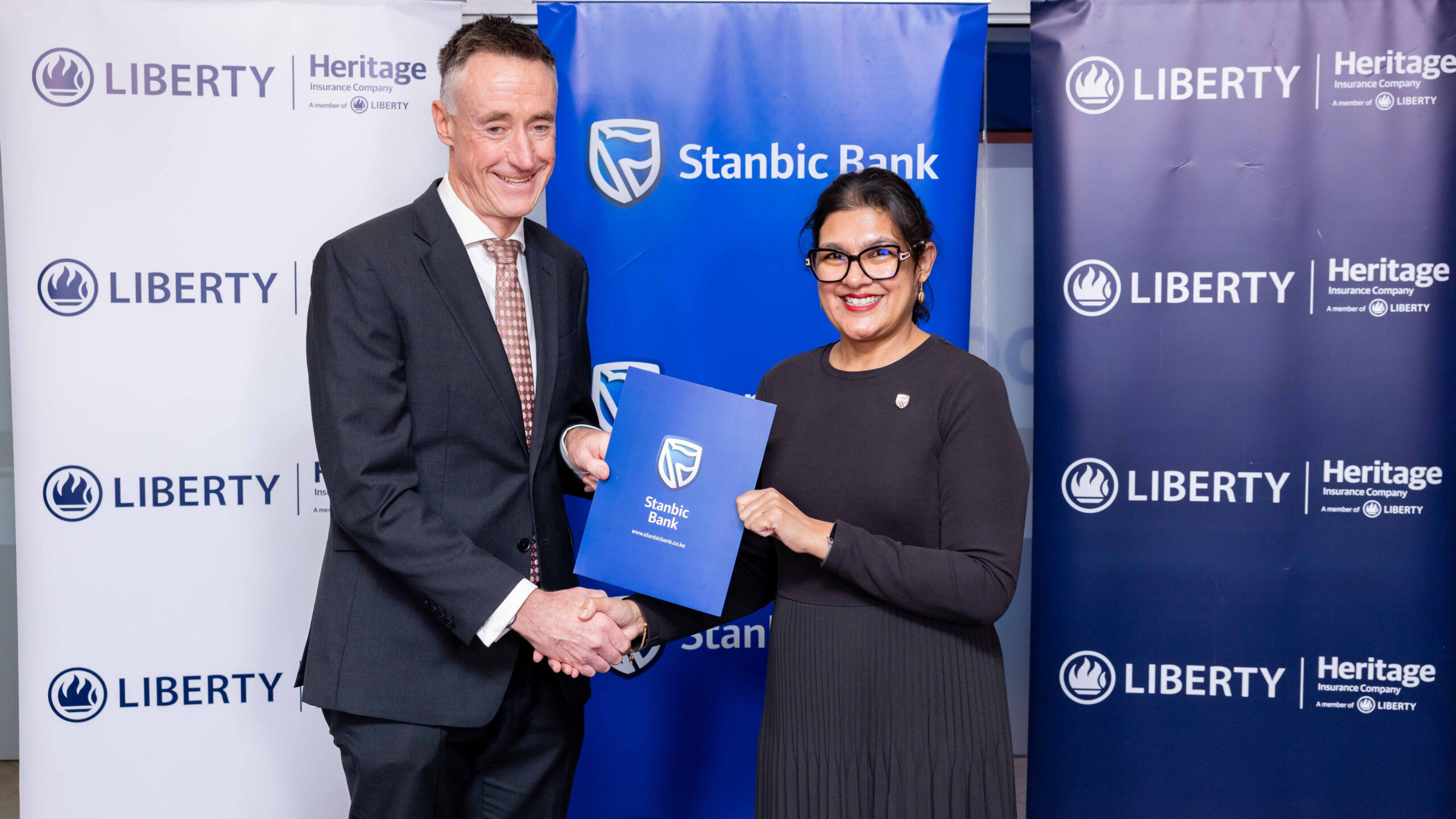
Stanbic Bank Kenya has launched an enhanced commercial vehicle insurance solution, underwritten by Heritage Insurance Kenya, as Kenya’s commercial transport sector records growth nearly three times faster than the personal vehicle market.
The timing reflects a real shift in the market. The commercial vehicle segment grew approximately 36% compared to just 11% in the personal vehicle segment, driven largely by SMEs scaling operations across transport, logistics, and trade. Road transport now moves over 75% of Kenya’s freight and contributed more than 12.7% to GDP in 2024. For business owners who depend on their vehicles to generate income, the stakes of inadequate cover are not theoretical.
One Product That Connects Financing and Insurance
The new solution links Stanbic’s Vehicle and Asset Financing clients directly to an insurance framework that sits within the same service relationship. Rather than managing financing through the bank and insurance separately, commercial vehicle owners access both through a single, coordinated arrangement. That integration matters most when something goes wrong — a claim does not require navigating two unrelated institutions.
Stanbic distributes insurance solutions through partnerships with leading licensed insurance companies, covering all types of vehicles. For the commercial vehicle product, Heritage Insurance Kenya provides the underwriting strength and sector knowledge behind the cover.
What the Cover Includes
The product moves beyond standard market provisions in several areas. Goods-in-transit cover reaches up to KES 5 million on an all-risks basis, above the typical KES 3 million offered elsewhere in the market. Personal accident cover extends to KES 40,000 per person for drivers and loaders — the workers most exposed to road risk and least likely to carry independent cover.
Geographic coverage spans all East African countries, including the DRC, subject to bank authorisation and COMESA cover activation. For operators running cross-border routes, this removes one of the most common gaps in commercial vehicle policies. An excess protector benefit further reduces the administrative load when claims arise, cutting the time and paperwork that can stall a business already dealing with a loss.
Additional benefits available through Stanbic’s motor insurance offering include recovery services, towing and wreckage removal following an accident, replacement of damaged personal effects, and windscreen and glass replacement.

Why the Partnership Was Built This Way
Anjali Harkoo, Head of Insurance and Asset Management at Stanbic Bank Kenya, pointed to the operational realities that shaped the product. “The commercial vehicle segment is expanding rapidly, driven primarily by SME scaling operations to meet rising domestic and regional trade demand,” she said. “Our partnership with Heritage Insurance enables us to offer not just competitive pricing, but enhanced protection benefits that directly address the operational realities transporters face daily. Professionalism, seamless service, and meaningful value differentiation are central to this proposition.”
Kieran Godden, Chief Executive Officer of Liberty Kenya Holdings, framed the product within the broader economic context. “Commercial vehicles are the backbone of trade and employment in Kenya and across the region,” he said. “This solution provides broader goods-in-transit protection, competitive premiums, and regional coverage that keeps businesses moving with confidence. It is about strengthening resilience in one of the country’s most vital economic sectors.”
Built for Operators, Not Just Vehicle Owners
The distinction between owning a commercial vehicle and operating one at scale is where most standard insurance products fall short. A transporter running goods across borders, managing a team of drivers, and servicing debt on a financed fleet carries risks that a personal vehicle policy was never designed to absorb.
This product addresses that gap directly. The higher goods-in-transit limit protects the cargo that generates the revenue. The personal accident cover protects the workers who deliver it. The regional coverage follows the routes operators actually run. And the excess protector reduces the friction that can turn a manageable claim into a business disruption.
For clients with vehicles under a financing arrangement, the policy also covers the financier’s interest in the event of total loss or damage — ensuring that loan obligations do not compound the impact of an already difficult situation.
For SMEs building their businesses on Kenya’s roads and trade corridors, that combination of features represents practical, working protection rather than a policy that reads well and pays out narrowly.
