



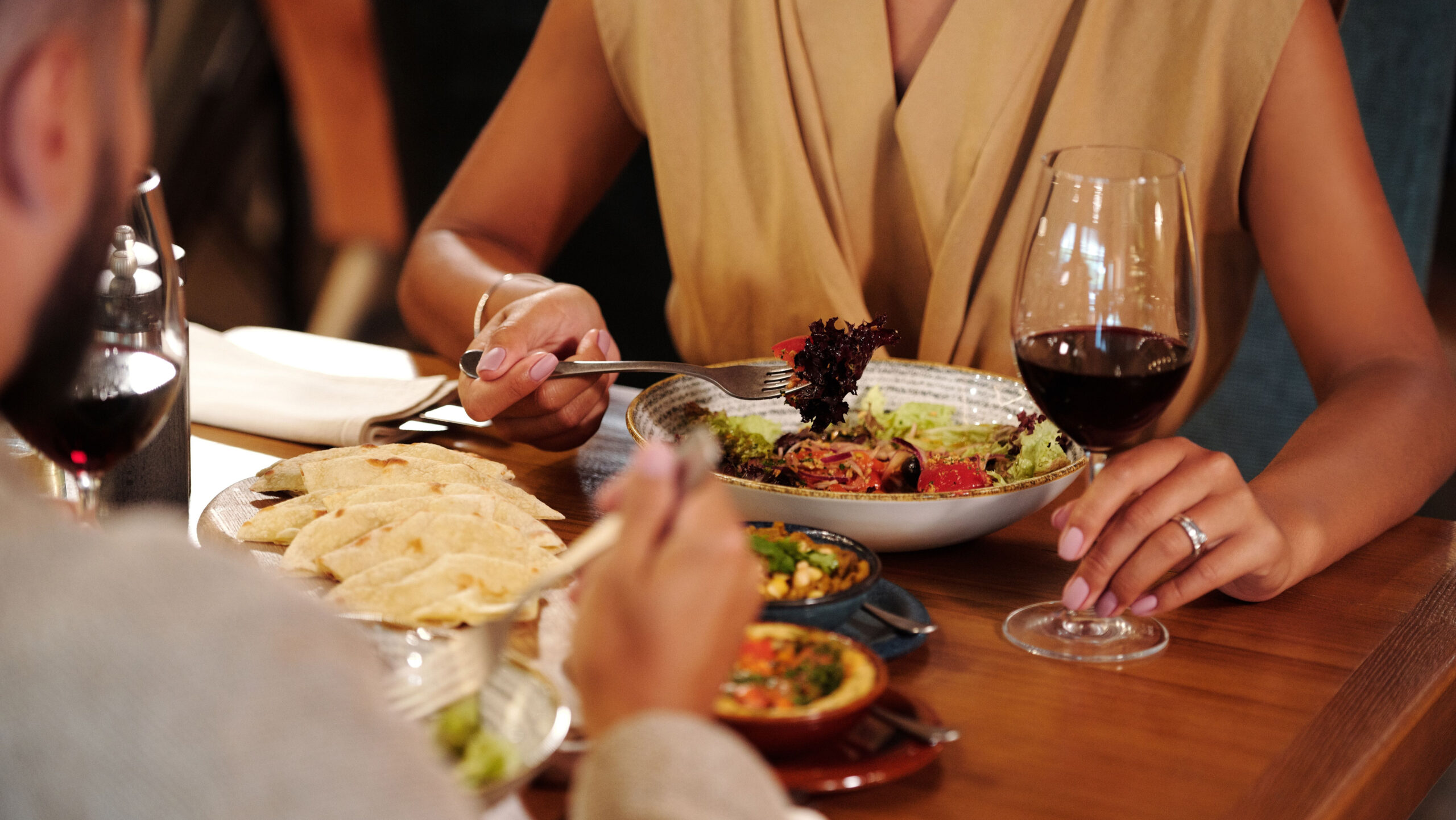
East Africans are visiting restaurants more often, and what they want once they sit down has changed.
Diners now expect healthier options, faster service, and an experience that justifies leaving the house, and that shift is forcing restaurants, and increasingly the supermarkets competing with them, to rethink everything from menus to where they open next.
Dining Out Is Becoming a Habit, Not an Occasion
Research from Mordor Intelligence tracking Africa’s foodservice sector found that dine in still represented about three quarters of restaurant transactions in 2025, while delivery is forecast to grow faster than any other channel through 2031. That growth is not happening in isolation.
Urbanisation and the spread of mobile money are driving similar shifts in Kenya, Ghana, and Ethiopia, meaning more people are moving to towns and cities where eating out fits naturally into daily life rather than serving as a rare treat.
Kenya’s Two Rivers Mall in Nairobi devoted thousands of square metres to restaurants and cafes when it expanded, drawing both international chains and local brands such as Java House, a sign that developers are betting on dining as a draw in its own right, not an afterthought to shopping.
Health and Heritage Are Reshaping the Menu
A study of restaurants in Nakuru County, published in Frontiers in Sustainable Food Systems, found that Kenyan diners are returning to local and traditional dishes, and the researchers traced that shift to “quality, safety, and traceability issues” rather than simple nostalgia.
The same study linked the trend to the emergence of more health conscious eating habits, particularly among higher income and middle income Kenyan customers. In practice, that means a customer ordering indigenous chicken or African leafy vegetables increasingly cares less about tradition for its own sake and more about knowing where the food came from and trusting that it is good for them.
It Is Not Just About the Food Anymore
A systematic review of consumer behaviour at restaurants, cafes, and kiosks, published in the Atna Journal of Tourism Studies, found that diners now weigh a meal against the full experience around it. The researchers wrote that customers seek “efficient service, appealing decor, a pleasant ambiance, and high quality, varied food options”, and pointed to busier lifestyles and rising incomes as reasons dining out has become routine rather than occasional. For restaurant operators, that raises the bar twice over: the food has to hold up, and so does everything surrounding it.
Where Global Restaurant Trends Point Next
These local shifts echo a wider reckoning happening across the restaurant industry. In a recent McKinsey interview on the future of dining, partner John Moran described what he called the “unbundling” of restaurants, the breaking apart of activities, ordering, paying, cooking, and eating, that used to happen in one place and increasingly do not.
A customer can now order on an app, collect from a kitchen with no dining room attached, and eat somewhere else entirely. McKinsey’s experts also pointed to better traceability as a direct result of digitising supply chains, letting operators show customers where their food came from and whether it meets their dietary needs, a concern that mirrors what Kenyan researchers found driving the return to local ingredients.
Other shifts McKinsey flagged, from AI assisted menu personalisation to kitchens leaning on automation for repetitive prep work, are still early stage globally, but the underlying pressure they describe, diners wanting food that is healthier, more traceable, and tailored to them, is already visible on East African menus today.
Africa’s Retailers Are Getting Into Takeaway Too
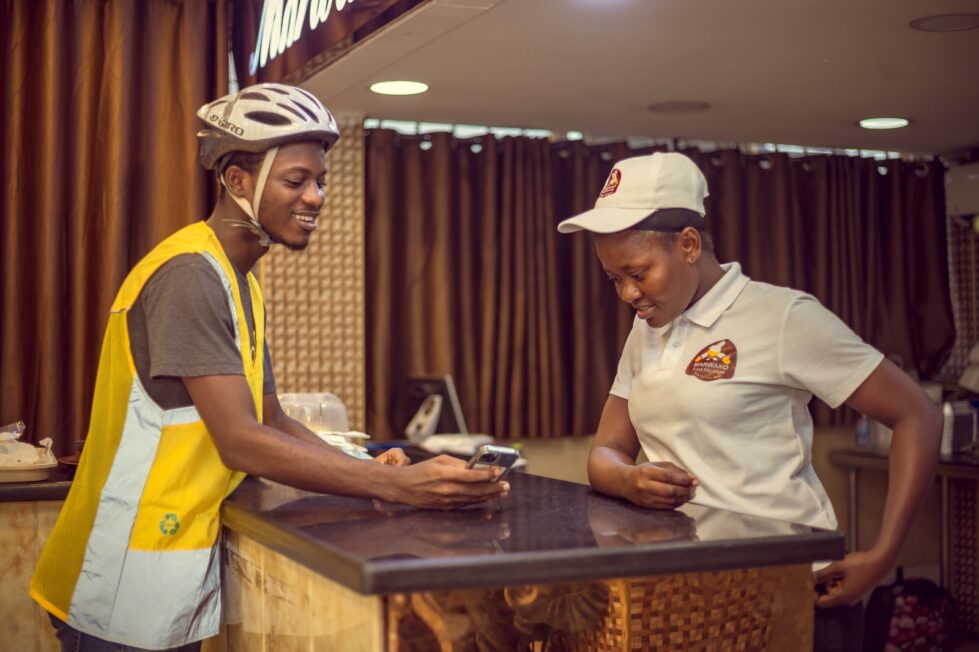
Restaurants are not the only ones competing for the same convenience seeking customer. Africa’s quick commerce market, which covers app based delivery of both groceries and prepared meals, is on track to grow at close to 9 percent a year through 2029, with Glovo now dominant in Kenya and other African markets for online food and grocery orders following Jumia Food’s exit from several countries on the continent. Dark stores, warehouses built purely to fulfil online orders rather than welcome walk in shoppers, are expanding even faster, with one industry forecast putting growth across the Middle East and Africa above 38 percent a year through 2030, citing Nairobi specifically among the cities driving that demand.
Nowhere is that race more visible than in West Africa. Lagos based Chowdeck has stayed profitable while building a network of more than 20,000 riders across 11 cities in Nigeria and Ghana, and it is now opening dark stores at a pace of two to three a week, aiming for 500 by the end of 2026.
Founder and CEO Femi Aluko has framed the goal plainly: the company wants to become, in his words, “Africa’s number one super app”, spanning food, groceries, and everyday essentials rather than meals alone. Chowdeck’s growth has come partly by filling a gap left by larger foreign platforms, including Jumia, which have pulled back from some West African markets, and by leaning into the harder, more local work of delivering home cuisine rather than only fast food.
Egypt shows a different version of the same convergence. Cairo’s Breadfast began as a bread delivery service in 2017 and has grown into a vertically integrated grocery platform that bakes its own bread, runs dozens of fulfilment centres, and now delivers ready to eat meals, pharmacy items, and household goods within roughly an hour. Chief executive Mostafa Amin has said the company chose to own its supply chain end to end because, as he put it, “margins are thin, and reliability in emerging markets is key”. Breadfast’s backers, who have included the International Finance Corporation and the European Bank for Reconstruction and Development, are now funding its push into other North and West African markets.

Supermarkets are responding by looking more like restaurants. In South Africa, retailer OK Foods opened a new Johannesburg store built around a coffee bar, a quick service restaurant, a bakery, and a deli alongside its grocery aisles, treating prepared food as central to the shopping trip rather than an add on near the till.
That fits a broader pattern: Africa’s market for ready to eat meals sold through retail channels is expected to grow 8 to 11 percent a year through 2035, with Kenya, Ghana, and Ethiopia singled out as high growth markets on the back of urbanisation and rising numbers of women in paid work, both of which leave less time for cooking from scratch.
From Lagos to Cairo to Johannesburg, the pattern repeats: whoever controls the supply chain and the last mile, whether a delivery startup, a supermarket, or a café chain, ends up competing for the same plate. For restaurants like Java House, that means the competition for a quick, reliable meal is no longer just the café down the road. It is also the supermarket aisle and the app on a customer’s phone.

How One Nairobi Brand Is Responding
Java House, the casual dining chain that has grown from a single Nairobi café in 1999 into a regional brand, treats these shifts as a design brief rather than background noise. Group COO Naima Hassan said customer feedback now shapes decisions well beyond the menu.
“We’ve noticed that customers want to visit more often, and younger and more digitally active consumers expect convenient options,” she said, adding that this feedback is shaping the company’s restaurant design, its technology, and even the locations it chooses next.
Java House CEO Priscilla Gathungu has pointed to a similar pattern playing out beyond Nairobi, as devolution pushes growth into smaller towns where customers are just as digitally connected to global food trends as city dwellers.
Demand for quality and convenient dining is no longer confined to major cities, she has said, crediting the company’s response to changing tastes to staying, in her words, “nimble and agile”.
Letting Digital Creators Shape the Menu
One way Java House is testing new flavours is by stepping outside its own kitchen entirely. Through its Guest Chef programme, the company hands a limited menu over to food creators who already have an online following, treating their audiences as a direct signal of what people actually want to eat rather than relying on committee decisions alone.
The first edition, launched in 2025, put Nairobi creator Cooking With Jaz behind a menu built around dishes like a sticky fried chicken burger glazed in honey, soy, and garlic. Java describes the idea behind the programme simply: food is at its most powerful when it’s authentic, accessible, and created with love. The approach gives the brand a low risk way to road test ideas shaped by current taste, while handing creators a kitchen and a customer base most could never reach alone.
A New Branch as a Test Case
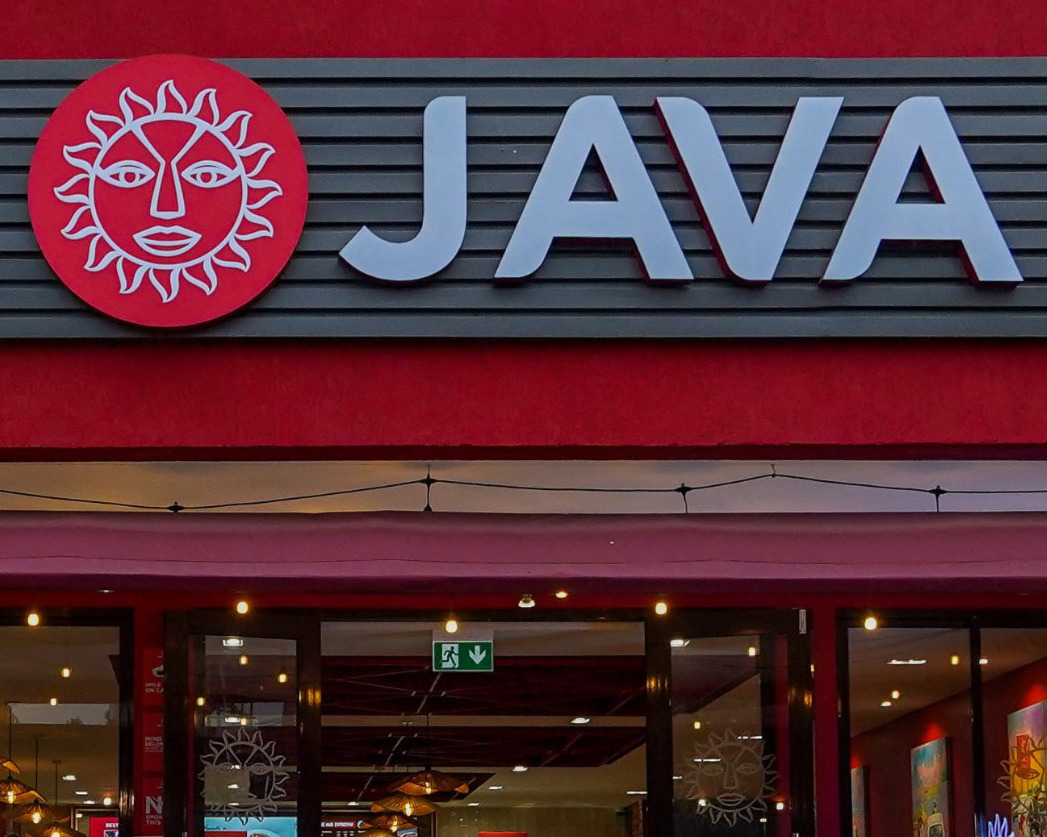
Java House’s latest opening, its 109th in East Africa, shows these shifts playing out in real estate decisions too. The branch sits at Shell Adams Arcade in Nairobi, a short walk from the very first Java House, which opened at Adams Arcade in 1999.
“We have seen a lot of demand from customers in the area and are opening this new branch to serve the larger community,” Hassan said of the choice. The company says it picks locations based on where demand already exists, then backs that decision with continued investment in customer engagement, digital tools, employee development, and local sourcing.
Java House says every new restaurant creates jobs, brings in local suppliers, and lifts foot traffic for nearby businesses, the kind of ripple effect that turns a single opening into a small driver of the local economy around it.
East Africa’s food scene is no longer being shaped only by what restaurants decide to cook. Diners are eating out more, asking harder questions about what is on the plate, ordering more of it through an app, and increasingly finding a hot meal waiting in the same supermarket aisle as their groceries.
The brands keeping pace, whether a café chain or a retailer with a deli counter, are the ones building their menus, their delivery networks, and their expansion plans around that reality rather than around habit.
