


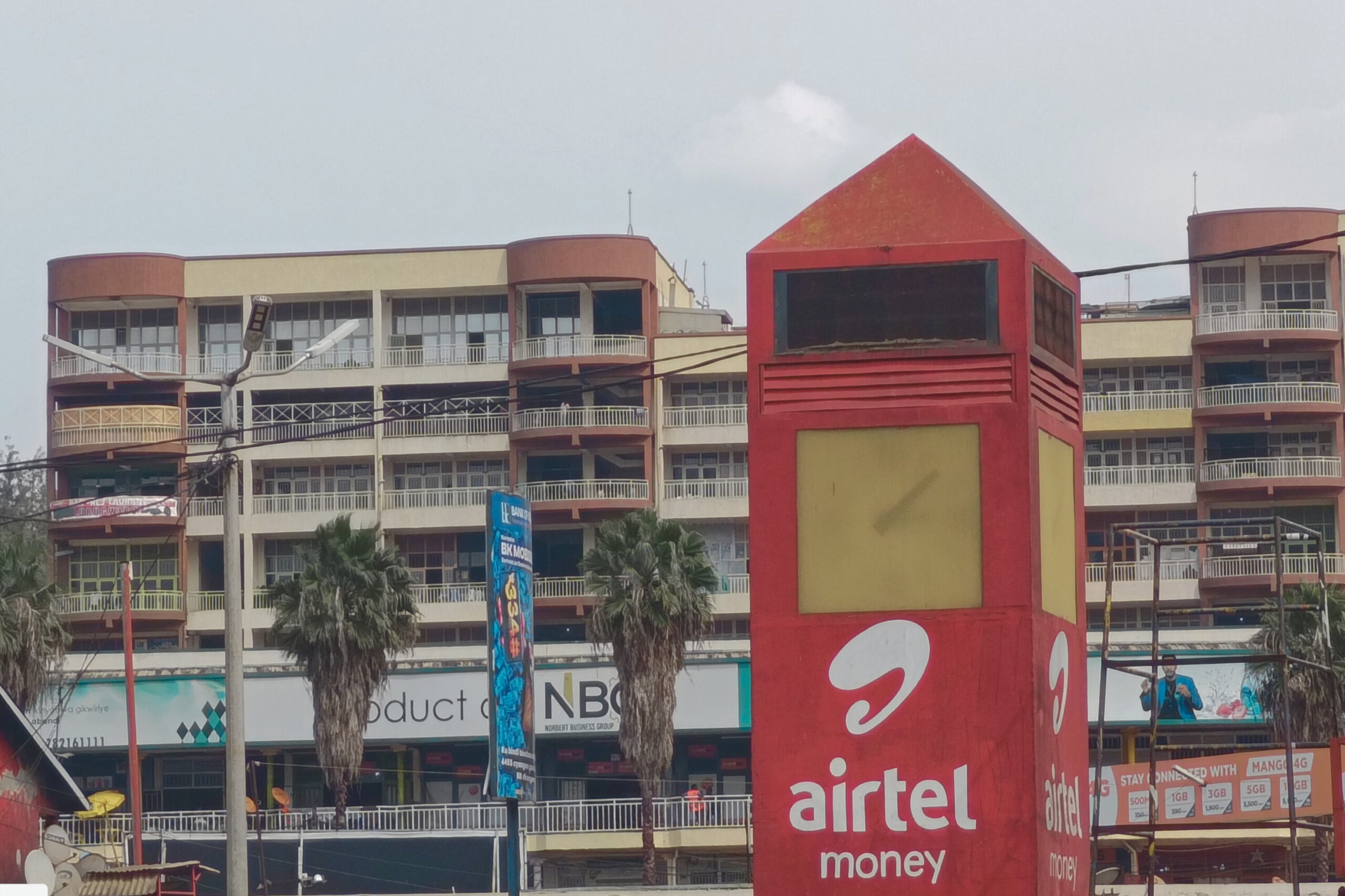
Airtel Africa is advancing its partnership with SpaceX to deploy Starlink’s direct‑to‑cell satellite service across 14 markets, while simultaneously outlining a broader strategy that includes listing its mobile money unit and exploring integration of cryptocurrency and other virtual assets.
Airtel’s Multi‑Market Strategy
The telco is in advanced discussions with regulators across its footprint to leverage Starlink’s satellite capacity. The move is designed to close rural coverage gaps, defend market share, and position Airtel Money for a public listing. Management has confirmed that IPO plans remain on track, with potential listing locations currently under evaluation.
In addition, Airtel says it is open to integrating virtual asset services, including stablecoins and cryptocurrency transactions, on a demand‑driven basis.
“We will come up with those products. For now, we are offering no dates and timelines as we let demand dictate when,” management noted.
This signals a willingness to adapt to Africa’s fast‑evolving digital finance ecosystem, where mobile money penetration and crypto adoption are rising in tandem.
Direct‑to‑Cell Technology
The Starlink arrangement covers enterprise connectivity through satellite kits and transmission backhauling, enabling customers to stay connected in remote areas beyond Airtel’s current reach.
“By eliminating infrastructure barriers in remote areas, this technology will dramatically widen access to digital services across our markets,” said Group CEO Sunil Taldar in Nairobi.

Ashish Malhotra, CEO of Airtel Kenya, added:
“This market is mature, we are increasing coverage and that is where Starlink services come into play.”
Kenya’s Competitive Landscape
In Kenya, Airtel trails market leader Safaricom, whose dominance in mobile data and mobile money ecosystems has long weighed on Airtel’s subscriber growth. The Communications Authority (CA) estimates Airtel’s market share at slightly above 30 percent, compared to Safaricom’s 63 percent.
Satellite internet, once negligible, is now surging. According to Kenya National Bureau of Statistics data, Kenya had 769 satellite users in 2017. Numbers remained below 1,600 until 2018, then fell to 730 in 2022. For years, satellite accounted for less than 0.005% of subscriptions, serving mainly NGOs, farms, tourism camps, and corporates.
The inflection point came in 2023 with Starlink’s entry. Subscriptions jumped to 2,933 (a 302% increase), then soared to 19,403 in 2024, a 562% year‑on‑year surge. More satellite users signed up in 2024 alone than in the previous seven years combined.
Investor Implications
For investors, the satellite pivot signals a capital‑light expansion model. By leveraging Starlink capacity, Airtel can improve network quality metrics, support enterprise revenue, and reduce churn in underserved regions. The planned Airtel Money IPO adds another layer of value creation, aligning with a continental trend of telecom operators unlocking fintech subsidiaries.
Airtel Money competes in a high‑penetration mobile payments market shaped by regulatory interoperability mandates and intensifying digital lending, savings, and cross‑border remittance activity.
Crypto and Regulation
Kenya is already one of Africa’s most active peer‑to‑peer crypto markets, driven by mobile money adoption, a youthful population, and strong diaspora remittance flows. Lawmakers passed the Virtual Asset Service Providers Bill, 2025, establishing the country’s first comprehensive licensing and supervisory framework for cryptocurrency businesses. Oversight will be shared among the Central Bank of Kenya (CBK), the Capital Markets Authority (CMA), and other agencies.
This regulatory clarity could pave the way for Airtel to integrate stablecoins and crypto services into its fintech ecosystem, further blurring the lines between telecom, finance, and digital assets.
The Bigger Picture
The Airtel‑SpaceX partnership marks a strategic pivot in Kenya’s connectivity landscape. By combining satellite technology with fintech innovation and navigating new regulatory frameworks, Airtel is positioning itself at the intersection of telecom, finance, and digital assets.
As Kenya and Africa prepare for this next phase of internet expansion, the interplay between satellite connectivity, mobile money IPOs, crypto integration, and regulatory oversight will shape the digital future for millions across the continent.
