



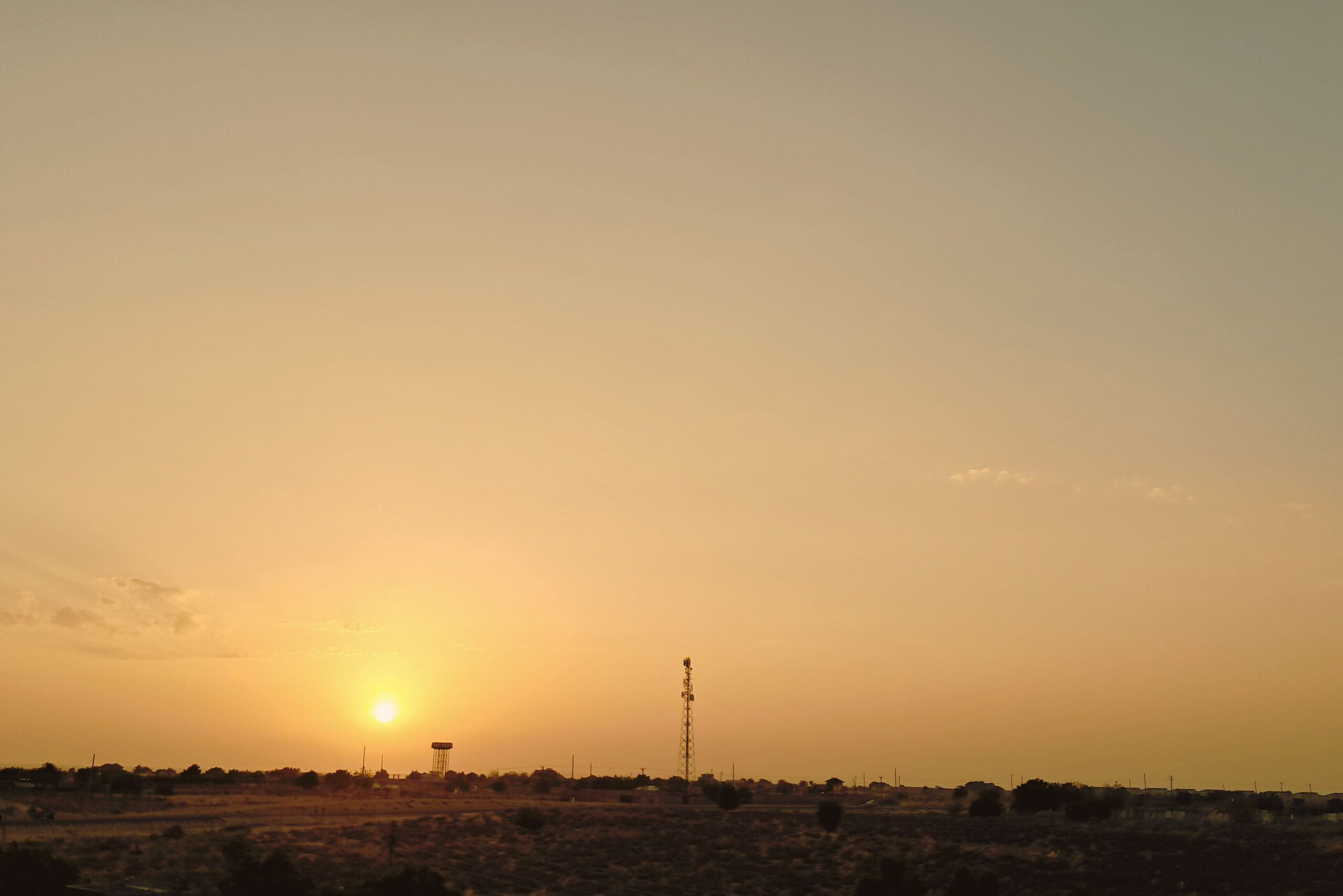
The Kenya Meteorological Department (Kenya Met) has clarified the definition of a heat wave in Kenya, setting city‑specific thresholds for heat‑health alerts. The announcement coincides with the release of the March–May (MAM) 2026 climate outlook by the IGAD Climate Prediction and Applications Centre (ICPAC), highlighting expected rainfall and temperature patterns across the Greater Horn of Africa.
Kenya Met Clarifies Heat Wave Definition
According to Kenya Met, a heat wave is defined as three or more consecutive days of extremely high daytime temperatures that exceed locally determined thresholds.
The department noted:
“In the Kenyan context, a heat wave is defined as a period of three or more consecutive days of extremely high daytime temperatures that exceed locally determined thresholds and are associated with increased health risks.”
Thresholds vary by city:
- Nairobi: 32°C or higher for three consecutive days.
- Kisumu: 37°C or higher.
- Mombasa: 36°C or higher.
Kenya Met explained that these thresholds are based on historical climate data and observed links between high temperatures and increased hospital visits, admissions, and mortality.
🌡️ What qualifies as a Heat Wave in Kenya?
In the Kenyan context, a heat wave is defined as a period of three or more consecutive days of extremely high daytime temperatures that exceed locally determined thresholds and are associated with increased health risks ⚠️. Based on… https://t.co/8FDalyltvx
— Kenya Met Department 🇰🇪 (@MeteoKenya) February 1, 2026
WMO Perspective on Heat Waves
The World Meteorological Organisation (WMO) defines a heatwave more broadly as “a period where local excess heat accumulates over a sequence of unusually hot days and nights.”
WHO warns that heatwaves amplify multiple risks, including:
- Health risks: dehydration, heatstroke, and increased mortality.
- Economic risks: drought, reduced water quality, and agricultural losses.
- Environmental risks: wildfires, smoke pollution, and power shortages.
This global perspective underscores the far‑reaching impacts of extreme heat events beyond immediate health concerns.
ICPAC Climate Outlook for March–May 2026
At the 72nd Greater Horn of Africa Climate Outlook Forum (GHACOF 72) held in Nairobi in January 2026, ICPAC released its regional forecast for the upcoming rainy season.
Rainfall Outlook
- Wetter‑than‑normal conditions (45% probability): Expected across Uganda, Rwanda, Burundi, Tanzania, central to western Kenya, Ethiopia, South Sudan, northern Somalia, and Djibouti.
- Near‑normal rainfall (40% probability): Forecast for parts of South Sudan, north‑eastern and south‑western Kenya, Somalia, coastal Tanzania, and isolated areas of Uganda and Ethiopia.
- Drier‑than‑normal conditions: Anticipated over coastal Kenya.
- Onset of rains: Normal to early onset is expected in most areas, with delayed onset in parts of Ethiopia, South Sudan, and Somalia.
Temperature Outlook
- Warmer‑than‑average conditions: Forecast across most of the Greater Horn of Africa, with higher probabilities in Sudan, Djibouti, Tanzania, and parts of Ethiopia, Somalia, and Kenya.
- Cooler‑than‑average conditions: Expected in parts of central to northern Ethiopia.
Advisory and Preparedness
ICPAC urged governments and humanitarian partners to actively use the regional outlook alongside national forecasts.
“GHACOF remains a critical regional platform for building consensus on climate risks and translating seasonal forecasts into early action that protects lives, livelihoods, and development across the Greater Horn of Africa,” said Dr Abdi Fidar, Director of ICPAC.
Kenya Met Director Edward Muriuki emphasised: “Early warning services are critical in mitigating climate risks, providing timely information that enables governments, communities, and institutions to prepare for and respond effectively to climate‑related hazards.”
Kenya’s Principal Secretary for Environment and Climate Change, Dr Eng. Festus K. Ng’eno, added: “Climate services, when timely, credible, and user‑driven, provide a powerful bridge between climate science and practical actions that protect lives, livelihoods, and support sustainable development.”
Public Awareness and Safety Measures
Kenya Met has urged residents to rely only on official communications to avoid misinformation circulating on social media. Additionally, citizens are advised to stay hydrated, avoid direct sunlight during peak hours, and watch for signs of heat‑related illnesses. Authorities and health facilities are encouraged to increase readiness and mobilise support for vulnerable groups, especially as both heat waves and rainfall extremes are expected to intensify under changing climate conditions.
