



 In the busy corridors of the 11th Conference of the Parties (COP11) to the WHO Framework Convention on Tobacco Control (FCTC) in Geneva, a heated exchange occurred.
A young delegate, determined and armed with data, confronted a representative of a major global foundation.
‘We appreciate your contributions,’ she said. ‘But Africa’s strategies must reflect our realities, not imposed templates.’
This moment highlighted the tension between philanthropy and sovereignty. Wealthy philanthropists offer solutions for Africa, but governments must remain vigilant to protect their independence.
Dr. Amina Kilonzi, a prominent Kenyan public health official, voiced it well: ‘Donor support is invaluable, but African expertise must guide implementation to ensure culturally relevant and lasting results.’
At COP11 in Geneva, goodwill and sovereignty clashed. Delegates agreed: Tobacco harms health, the environment, and budgets. But a big question appeared. How does Africa balance global policy demands with the need for truly local solutions?
The world was split. Some favoured science, others political caution. Debates over products like e-cigarettes and pouches exposed divides between public health allies and industry-backed groups. The industry groups wanted this classified as harm reduction tools.
Sovereignty Under Pressure
Philanthropists such as Michael Bloomberg and the Gates Foundation invest significantly in tobacco control. Their backing draws attention and supplies essential resources. However, disregarding local expertise or enforcing uniform policies can damage the systems they aim to support.
Philanthropy often involves conditions meant to promote a specific public health agenda. These conditions are less direct than corporate lobbying, which utilizes money to influence policy. Nonetheless, both types of pressure can threaten national sovereignty if local needs are ignored.
Kenya highlights this problem. In 2024, the Gates Foundation faced backlash for a Host Country Agreement that gave diplomatic privileges and bypassed parliament. Meanwhile, the government considered stricter nicotine product rules as vaping rose.
Some locally funded groups pushed for criminal penalties on marketing. Others demanded health-focused rules. The Guardian found British American Tobacco tried to water down warnings on nicotine pouches, showing pressure from both corporations and philanthropists.
Yet Kenyan-led efforts worked—one Nairobi program, government-backed, cut youth tobacco use by 15% in 2 years with education and community action. Kenya proves it can succeed with homegrown solutions that respect culture and health.
Despite these pressures, Kenyan advocates held awareness campaigns and worked with lawmakers for evidence-based policies. Their work proves that local leadership matters in complex policies. In a Nairobi-area community, local health workers and advocates ran workshops and discussions.
People shared their tobacco experiences. Daniel, a former smoker, said safer nicotine helped him quit. His example showed how informed local policies can help. This community works to build awareness and helps residents push for better regulations.
The Problem with Blanket Bans
COP11 showed the challenge of new nicotine product rules. Some delegates called for total bans. Others wanted nuanced, evidence-based rules. Policymakers must weigh risks and benefits. Overly strict or loose rules miss the mark. Good regulation of guards’ health and freedom. The split on plastic filter bans and disclosure rules showed how lobbying and politics shape policies.
Blanket bans on alternative nicotine in Africa may backfire. UK evidence suggests regulated, local harm reduction cuts smoking and fights black markets. For example, UK smoking rates dropped from 20% in 2012 to 14.1% in 2019 after a harm reduction. Many African campaigns only stress risks. They often use selective data and miss the benefits of safer options.
To avoid failed bans, work with communities. Use full data and ensure reviews stay impartial. Banning all alternative nicotine products ignores key facts. This could grow black markets and smoking, undermining harm reduction.
Africa Needs Home-Grown Solutions
To solve Africa’s economic, cultural, and health issues, we need custom tobacco strategies. Imported models can inspire but should not override local knowledge. For strong, lasting solutions, we should
(1) involve locals in policy design,
(2) conduct research for our context, and
(3) focus on local skills and education.
- Ensure all host country agreements are public, have clear expiration dates, and require parliamentary approval to guarantee transparency and accountability.
- Make host country agreements public, set time limits, and involve parliament. Build donor laws with consultation and local facts. Donors want a good name, so accountability helps both sides. Framing collaboration as a joint goal supports dialogue. This keeps local priorities at the center of policy.
- Allow regulated access to safer nicotine products. Enforce strong safeguards for youth, apply effective taxation, and require rigorous oversight to ensure public health priorities remain paramount.
- Let African scientists, advocates, and communities lead tobacco policies by inviting them to direct all discussions and decisions. For example, Dr Adewale Akintola, a Nigerian scientist, shows local expertise through his key work in tobacco harm-reduction research. His work shaped evidence-based policies to fit African needs. Highlighting leaders like him inspires confidence and shows the power of African leadership in forming strong tobacco policies.
- Foster regional coordination so nations can learn from one another and develop harmonized policies while respecting national differences.
By focusing on these, Africa can take the lead in tobacco control by developing robust policies, strengthening enforcement, and investing in public awareness. The continent must use home-grown solutions that reflect its unique challenges.
Lessons from Geneva
COP11 was imperfect but achieved progress. Delegates supported more domestic funding and taxes on tobacco products for health. A ban on tobacco and nicotine on UN sites was adopted, demonstrating global leadership. For the first time, environmental impacts—from farming to e-waste—were discussed, and corporations were called to be accountable.
But Geneva taught a tough lesson: science alone is not enough. Political will, free from outside sway, is vital. As COP President Reina Roa said, tobacco’s harms are “absolutely undeniable.” But denial lives on, not from ignorance, but from business and outside ties.
A Call to Action
With COP12 ahead, Africa faces a big decision. We must commit to science-backed harm reduction and true partnerships that keep our sovereignty. The way forward is clear: act now for our health and independence, or risk further harm from the outside. Without bold action, tobacco could claim a million more African lives by 2030. Let us seize this moment and take decisive steps to protect our future.
African leaders, policymakers, and citizens must step up now. Demand full transparency from everyone. Insist on African leadership in all key decisions. Get involved in making policy—let your voice and actions drive reform that puts our people first. Africa can lead. The time to act boldly is now.
Tobacco control cannot wait another decade. The cost is huge, and the risk is too high. Africa’s voices must lead now, urgently and with strength. We must put public health and sovereignty first and protect every life. Now is the time to take bold, unified action and make history.
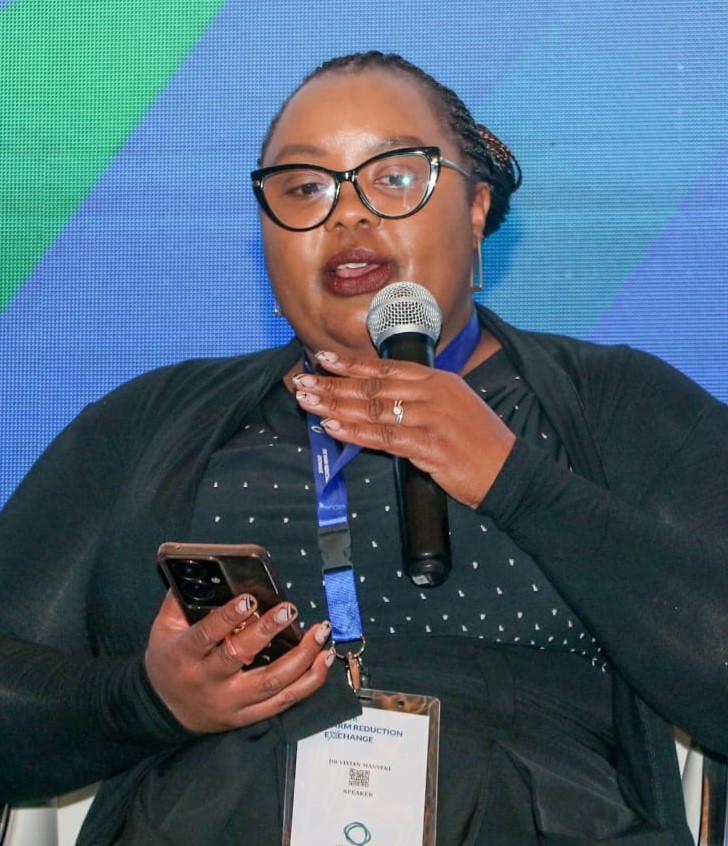
Dr Vivian Manyeki, Public Health Specialist and Tobacco Harm Reduction Advocate
