



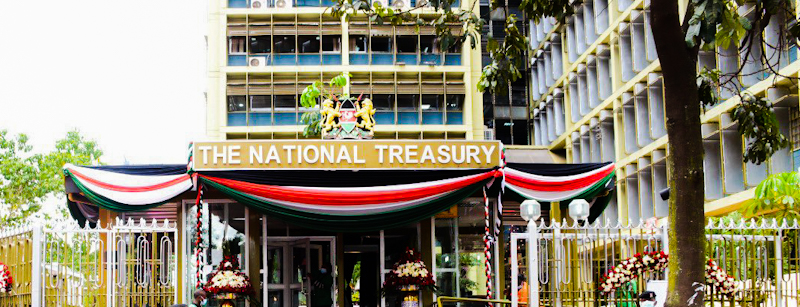
Kenya has announced plans to keep its budget deficit at 4.9% of GDP in the 2026/27 fiscal year, broadly in line with the current year’s forecast of 4.8%.
The move reflects the government’s ongoing effort to balance debt repayments with essential spending while staying on a path of fiscal consolidation.
Balancing Debt and Development
Principal Secretary for the National Treasury, Dr Chris Kiptoo, said the government must focus on fiscal sustainability. He explained that Kenya faces a delicate balancing act: raising enough revenue to fund critical services while meeting its debt obligations.
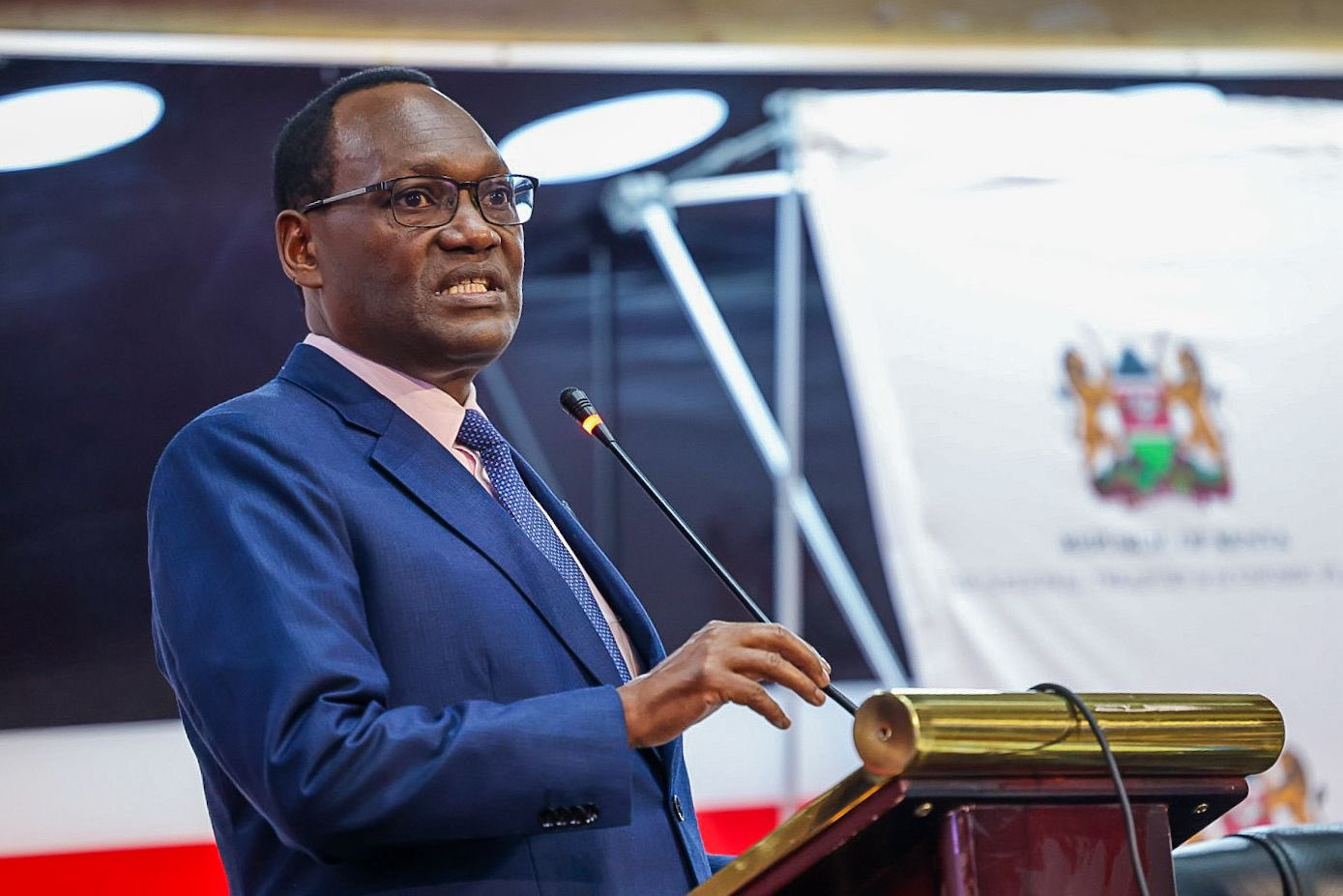
To cover the gap, the Treasury plans to raise Ksh241.8 billion ($1.86 billion) from external financing and Ksh775.8 billion from domestic sources.
Revenue and Spending Plans
For FY 2026/27, total revenue is projected at Ksh3.58 trillion, equal to 17.1% of GDP. Overall expenditure and net lending will reach Ksh4.65 trillion, broken down as follows:
- Recurrent spending: Ksh3.44 trillion
- Development spending: Ksh761 billion
- Transfers to counties: Ksh446.6 billion
- Contingency fund: Ksh5 billion
Anchored on MTP IV and BETA Pillars
The budget preparation process is guided by Medium Term Plan IV (MTP IV), which aligns with the government’s Bottom‑Up Economic Transformation Agenda (BETA).
The BETA pillars include agriculture, affordable housing, micro, small and medium enterprises (MSMEs), universal healthcare, and digital superhighway.
Public Participation and Transparency
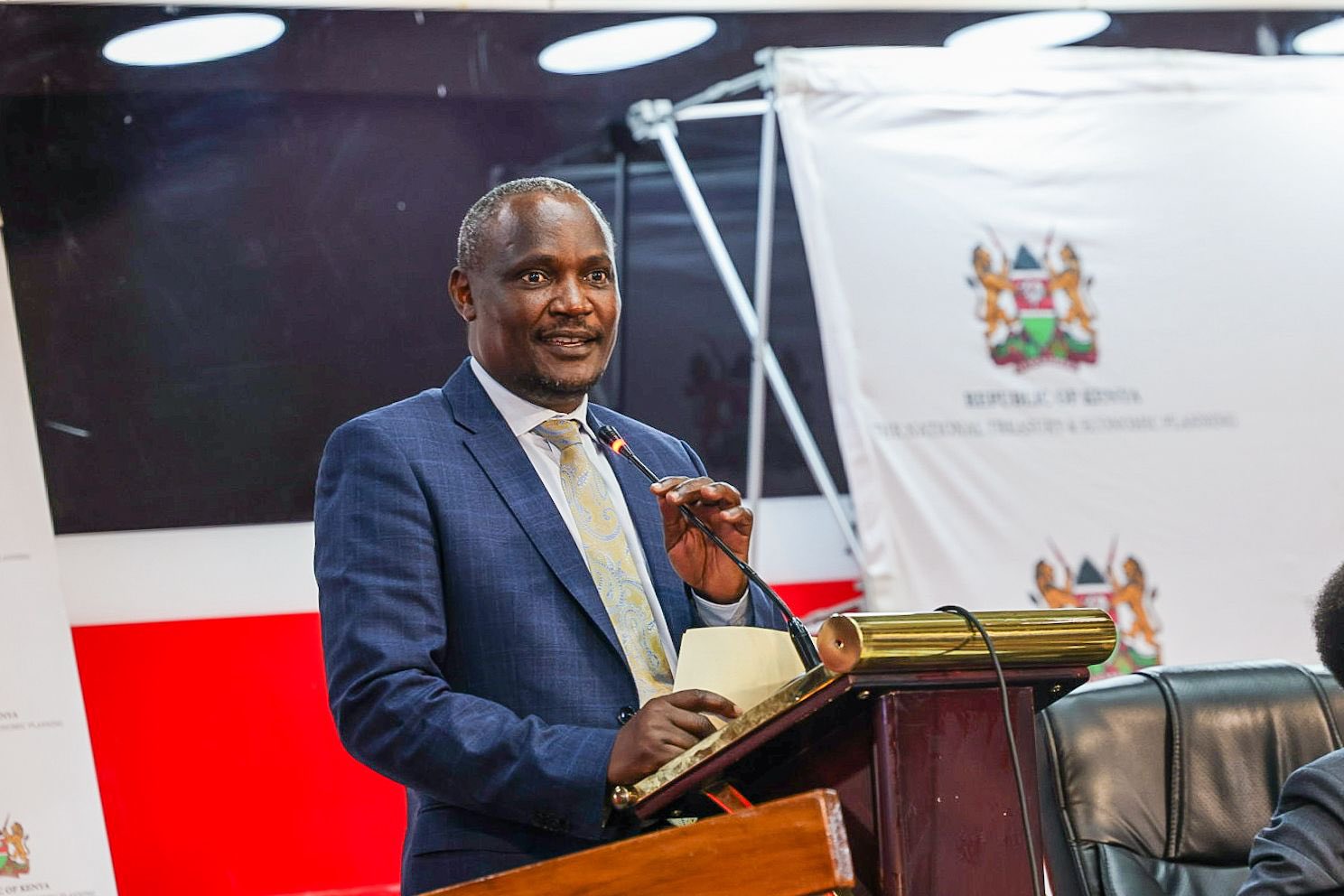
Treasury Cabinet Secretary John Mbadi assured Kenyans that the 2026 Budgetary Policy Statement will be “people‑driven.” Speaking at the launch of the 2025 Public Sector Hearings at KICC, Mbadi said the hearings give citizens and stakeholders a chance to shape sectoral budget proposals.
He emphasised the use of zero‑based budgeting, a method that requires every expenditure to be justified, eliminating waste and duplication.
Economic Outlook
Despite high debt levels, Kenya’s economy remains resilient:
- Growth is projected at 4.8% in 2025 and 4.9% in 2026
- Inflation fell to 4.6% in October 2025, down from 9.6% a year earlier
- Interest rates have eased, with the 91‑day Treasury Bill dropping to 7.9% from 15% in 2024
- Private sector credit grew by 5% in September 2025, reversing earlier contractions
- Forex reserves rose to USD 11.9 billion in September 2025, up from USD 8.6 billion in 2024
Mbadi said the government aims to reduce the fiscal deficit to 3% of GDP or lower in the medium term, reinforcing fiscal discipline after the rejection of the 2024 Finance Bill.
Parliamentary Perspective
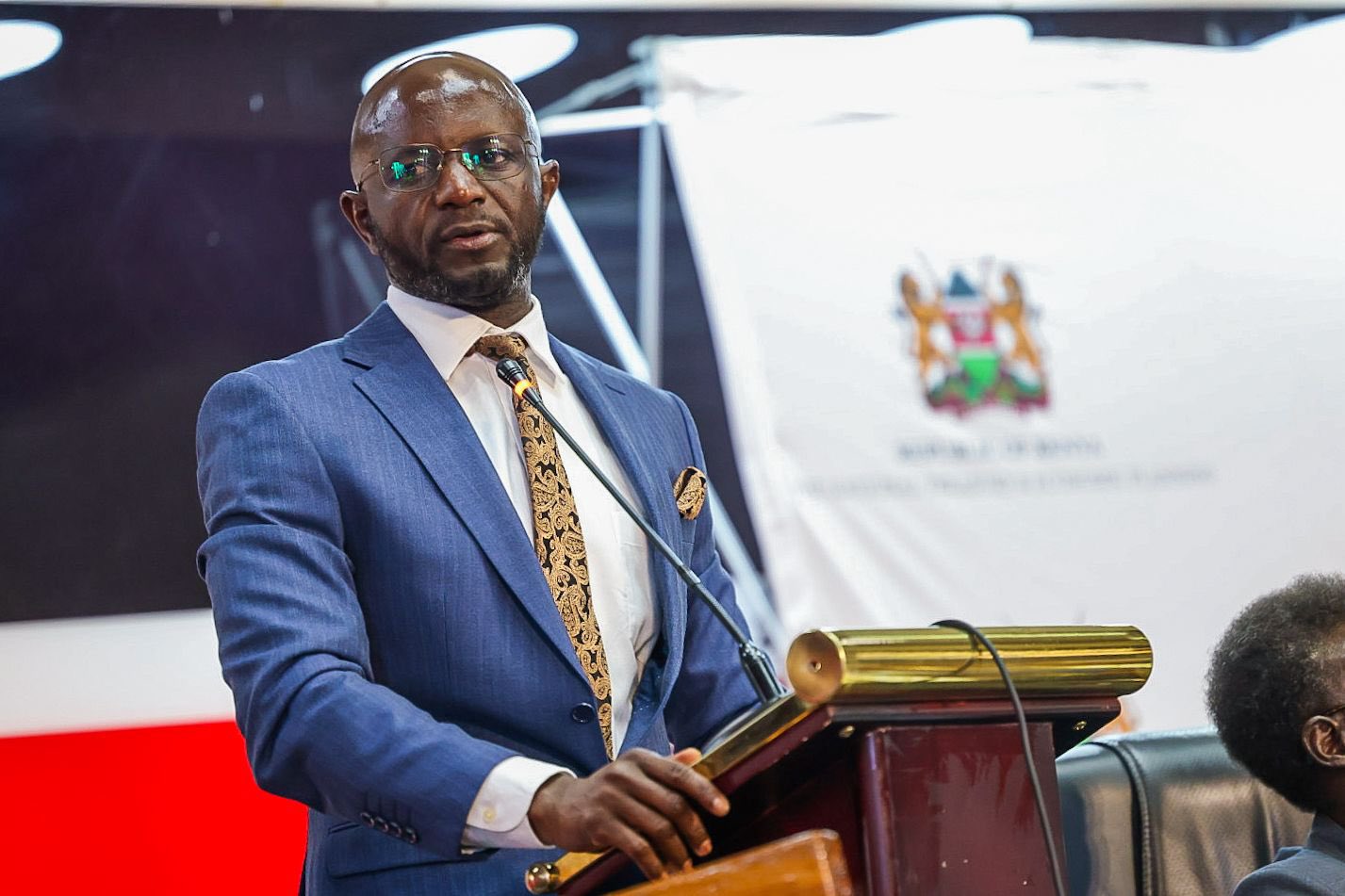
Budget and Appropriations Committee Chair Samuel Atandi urged the Treasury and KRA to raise revenue beyond the current 14% of GDP, warning that borrowing space is shrinking.
He also called for allocations to confirm junior secondary school teachers, strengthen university funding, and prepare adequately for the 2027 General Election.
