


East Africans are trading more with each other and benefiting from an increasingly connected marketplace. Intra-EAC trade grew by 27%, rising from USD 14.2 billion to USD 18 billion between June 2024 and June 2025.
During the same period, total EAC trade with the rest of the world increased by 22%, reaching USD 140.8 billion, up from USD 115.4 billion.
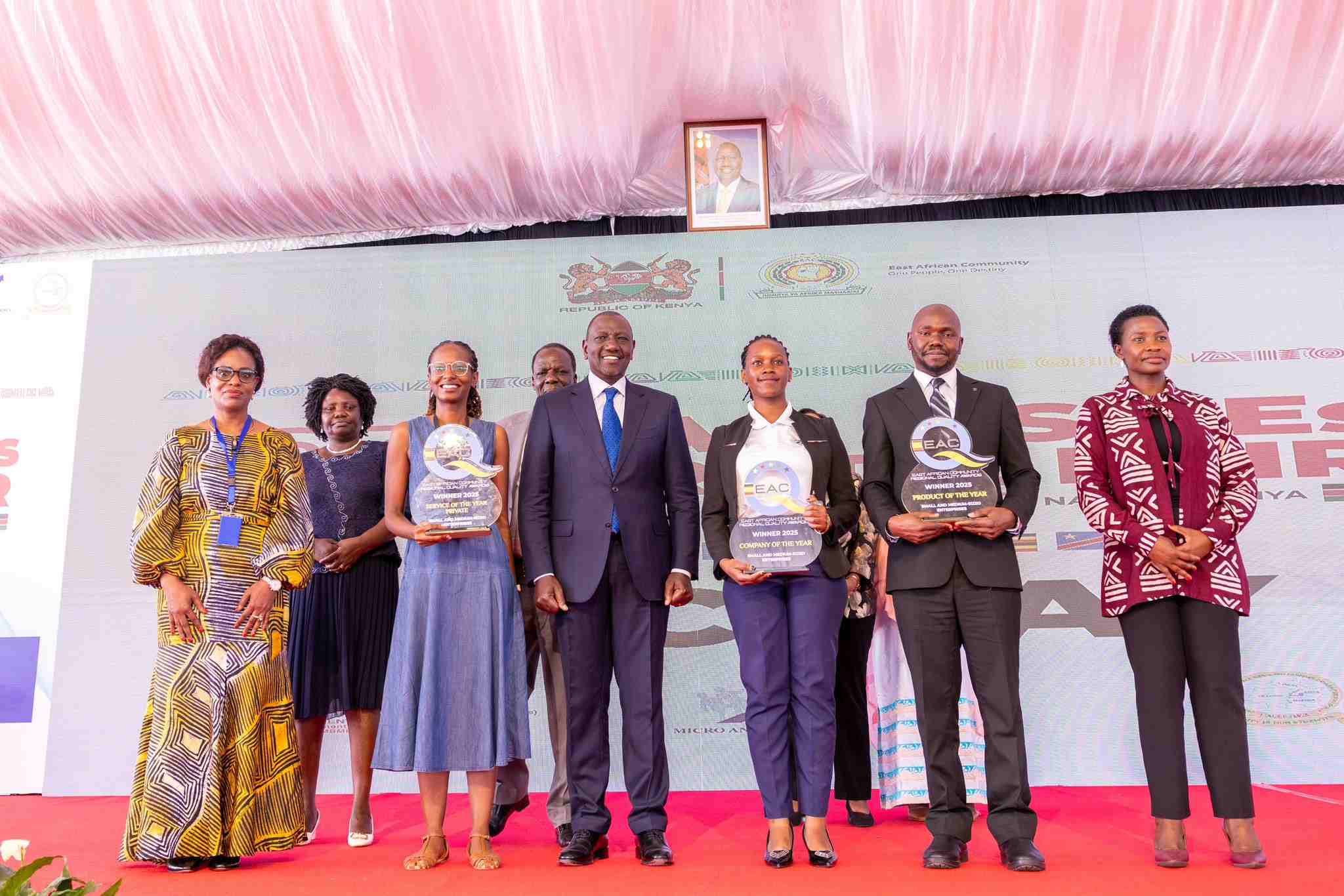
These figures were shared during the opening of the 25th EAC Micro, Small, and Medium Enterprises (MSMEs) Trade Fair, held in Nairobi, Kenya, where over 3,000 exhibitors from all eight Partner States showcased innovation, enterprise, and cross-border collaboration.
“The surge in regional trade and investment reflects a maturing internal market, one increasingly defined by innovation, competitiveness, and the shared determination of East Africans to trade more with each other and prosper together,” said Dr. William Samoei Ruto, President of Kenya and Chair of the EAC Summit of Heads of State.
EAC Trade Performance: Q2 2024 vs Q2 2025
| Metric | Q2 2024 (Ksh) | Q2 2025 (Ksh) | % Change |
|---|---|---|---|
| Total Trade | 3.83 trillion | 4.93 trillion | +28.4% |
| Exports | 1.71 trillion | 2.40 trillion | +40.5% |
| Imports | 2.12 trillion | 2.53 trillion | +18.8% |
| Trade Deficit | 414 billion | 116 billion | -72.0% |
MSMEs at the Heart of Regional Growth
Held under the theme “25 Years of EAC Integration: Advancing Innovation and Regional Value Chains for Competitive MSMEs towards Sustainable Development,” the Trade Fair served as a dynamic marketplace for product showcasing, market access expansion, and regional business networking.
“The conversations shaping this Trade Fair are ambitious and action-oriented focusing on digital transformation, affordable finance, expanded markets, and green enterprise,” President Ruto added.
Policy Commitments and Ministerial Roundtable Outcomes
The EAC MSMEs Ministerial Roundtable, held on November 10, 2025, reaffirmed the bloc’s commitment to MSME development, aligning with the Global SME Ministerial Call to Action. Delegates emphasised:
- Tailored regulatory reforms for MSMEs
- Inclusive financial literacy and access to affordable finance
- Acceleration of digital transformation and infrastructure
- Support for green enterprise and sustainability
“We must prioritise enabling MSMEs to adopt technology, embrace e-commerce, and embed sustainability in their business models,” said Wycliffe Oparanya, Kenya’s Cabinet Secretary for Cooperatives and MSMEs Development.
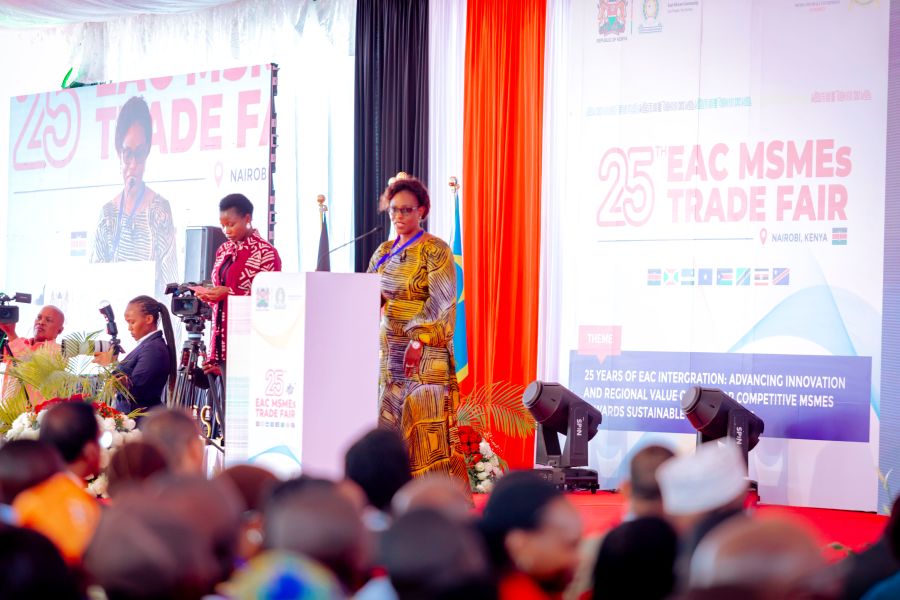
“By deepening regional value chains and supporting MSMEs, we can reverse the trend of import dependence and grow our own industrial capacity,” added Ms. Annette Ssemuwemba Mutaawe, EAC Deputy Secretary General for Customs, Trade and Monetary Affairs.
Strategic Interventions Driving MSME Competitiveness
The EAC Secretariat continues to implement high-impact reforms, including:
- Reviewing EAC Rules of Origin to align with industrial growth
- Enhancing regional connectivity through smart infrastructure and interoperable trade systems
- Operationalising the EAC Payment and Settlement System to simplify cross-border transactions and enable payments in local currencies
- Expanding training networks for women and youth to boost participation in regional trade
EAC Summit and Regional Integration
The outcomes of the Trade Fair and Ministerial Roundtable will be presented at the EAC Leaders’ Summit (Nov 24–29, 2025) in Kenya, reinforcing the bloc’s commitment to MSME development, trade facilitation, and inclusive growth.
“Fostering joint programmes and harmonised policies that deepen integration and enhance resilience will be key to ensuring that MSMEs continue driving our region’s economic transformation,” Oparanya concluded.
Uganda, Nigeria and Botswana Lead Africa’s Financial Market Reforms Amid Global Headwinds
