



As global trade dynamics shift and economic gravity tilts toward the Global South, Africa finds itself at a defining moment. With 1.4 billion people and vast natural resources, the continent holds immense potential.
Yet it contributes less than 3% to global trade and GDP, despite accounting for 17% of the world’s population. This disparity underscores the urgency of transforming Africa’s trade architecture.
The African Continental Free Trade Area (AfCFTA), launched in January 2021, offers a historic opportunity to unify markets and boost intra-African trade—from today’s modest 16% to levels exceeding 50%, on par with the EU and Asia. But ambition alone won’t deliver results.
As Sheetal Kumar, Head of Client Coverage at Corporate and Institutional Banking, puts it: “Realising this promise demands more than ambition or trade agreements. It requires reimagining and reconstructing the arteries of African commerce—its trade corridors.”
Colonial Corridors, Contemporary Constraints
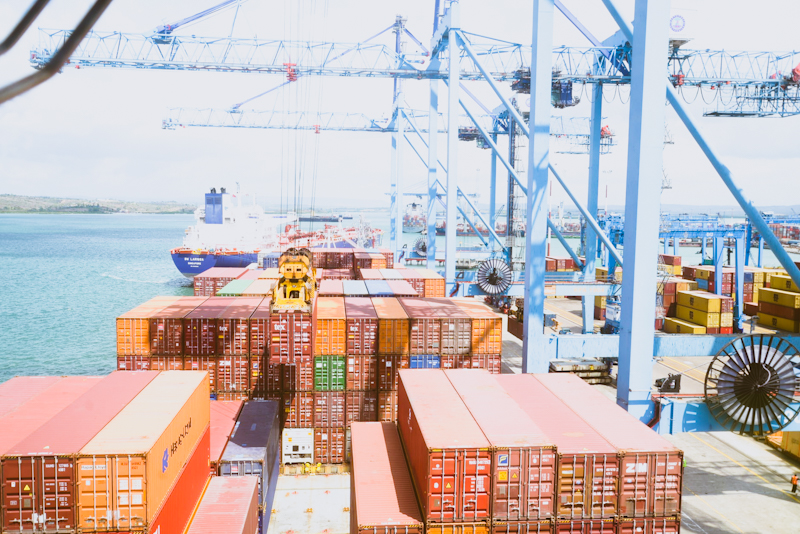
Africa’s existing trade routes, such as the Abidjan-Lagos Coastal Corridor, the Northern Corridor from Mombasa, and the Central Corridor from Dar es Salaam, were designed for extraction, not integration. Today, they remain bottlenecks.
Trade costs in Africa are among the highest globally, reaching up to 283% of the value of goods, according to the World Bank. Poor infrastructure, inefficient borders, and misaligned regulations continue to stifle intra-African commerce.
Despite encouraging momentum, intra-African trade reached USD 208 billion in 2024, a 7.7% year-on-year increase, but only a fraction of that value circulates within the continent. Compared to over 60% in Asia and 70% in the EU, Africa’s internal trade flows reveal a vast opportunity gap. Closing it will require upgrading more than 60,000 km of critical road links by 2030, according to UN freight projections.
Strategic Corridors in a Fragmented World
The rise of geoeconomic fragmentation, where countries restructure trade around political blocs, poses new risks for Africa. Up to half of the continent’s external trade is vulnerable under such scenarios, potentially reducing GDP by 4% over the next decade. Political feuds and regional disputes further threaten AfCFTA’s integration goals.
Africa’s response must be bold and pragmatic. Corridors must evolve into strategic buffers:
- Acting as connectors between global blocs, similar to Vietnam or Mexico.
- Attracting diversified investor pools to hedge against geopolitical shocks.
- Leveraging financial instruments like political risk insurance and trade guarantees to navigate disruptions.
Banks such as Bank One are central to structuring these corridor models—insulating against volatility while enabling inclusive regional growth.
From Agreements to Infrastructure
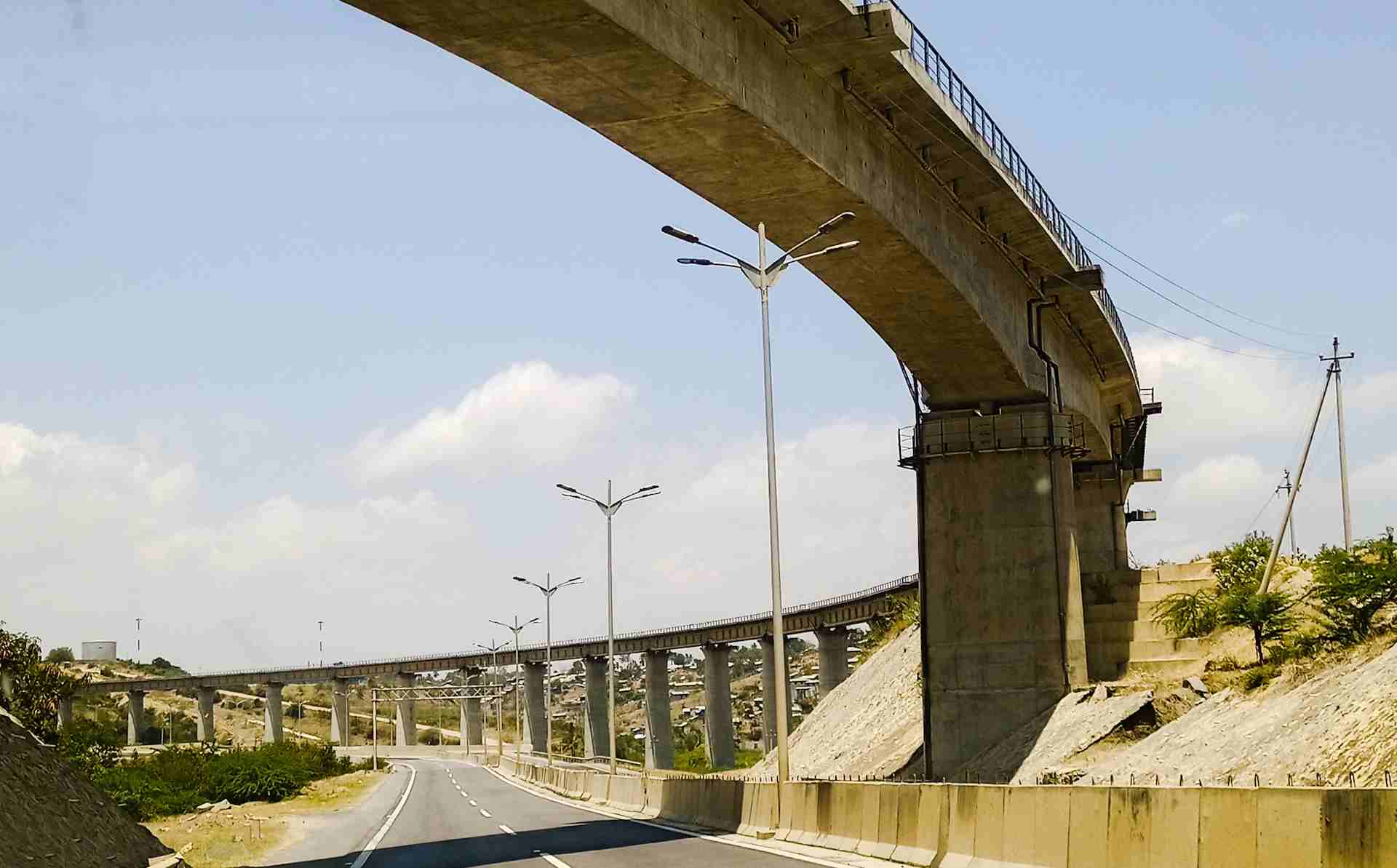
AfCFTA’s goal to eliminate tariffs on 97% of goods and double intra-African trade by 2035 hinges on infrastructure. Ports like Berbera in Somaliland, where DP World has invested USD 442 million, and the USD 165 million expansion of Maputo Container Terminal exemplify what’s possible when policy, capital, and logistics align.
These aren’t just projects, they’re blueprints. Corridor development must integrate:
- Multimodal transport systems linking rail, road, air, and sea.
- Industrial clusters anchored in manufacturing, agribusiness, and services.
- Digital platforms for smart logistics, customs, and real-time tracking.
- Green infrastructure powered by electric transport and climate-resilient materials.
Projects like the Lobito Corridor railway and the Tanzania-Zambia line show how multimodal logistics, dry ports, and Special Economic Zones (SEZs) can transform corridors into engines of regional value creation.
Digitalisation: The Nervous System of Trade
Digital transformation is essential to unlocking AfCFTA’s full potential. Fintech collaborations between African banks and Gulf-based tech firms are already piloting real-time shipment tracking, smart customs clearance, and blockchain authentication.
Mauritius is emerging as a digital and financial hub, with banks rolling out:
- Cross-border digital trade finance platforms
- SME-focused digital banking packages
- Seamless payment systems tailored for fragmented markets
Scaling these tools will empower small businesses to participate confidently in cross-border commerce.
Green Corridors: Building Climate Resilience
Africa’s infrastructure must be future-proof. Climate disruptions, from floods in West Africa to heat-induced road failures in the East, demand resilient design. Green corridors are no longer optional; they’re essential.
This means investing in:
- Electric freight and solar-powered logistics hubs
- Flood-resistant bridges and climate-resilient roads
- Green bonds and blended climate finance
Bank One is mobilising ESG-aligned financing to support these projects, helping investors align with global sustainability mandates while de-risking returns.
Middle East-Africa Trade: A Strategic Nexus
The Middle East is becoming a vital partner in Africa’s trade transformation. Between 2019 and 2023, Emirati entities committed USD 110 billion to African projects—USD 72 billion of which went to renewables. DP World alone plans to invest USD 3 billion more by 2029.
Mauritius’s regulatory regime, double-taxation treaties, and strategic location position banks like Bank One as trusted platforms for cross-border investment flows across Africa, the Gulf, and Asia.
Financing the Dream: Innovation Over Aid
Traditional public-sector financing won’t be enough. Africa must mobilise capital through:
- Blended finance models combining development funds, private equity, and export credit agencies
- Syndicated loans led by regional banks and DFIs
- Outcome-linked pricing tied to climate or logistics benchmarks
- Transparent public-private partnerships
Bank One’s shareholders—East Africa’s I&M Group and Mauritius’s CIEL Group—bring local insight and international reach, enabling scalable corridor investments across the continent.
The Human Dividend: Policy, SMEs, and Youth
Infrastructure must serve people. The success of trade corridors lies in how they transform lives:
- Harmonised policies that prioritise traders over politics
- Empowerment of SMEs, informal traders, women-led businesses, and youth
- Job creation across logistics, fintech, agribusiness, and services
Every one-point gain in corridor efficiency translates into millions in GDP and tens of thousands of jobs—from Addis to Accra, Nairobi to Nouakchott, Cape to Cairo.
From Fragmentation to Fusion
Africa’s corridors must rise above global fragmentation. By building flexible, digitised, green, and strategically aligned trade routes—and financing them through innovative, inclusive models—the continent can unlock a new era of prosperity.
Corridors are no longer just about moving goods. They’re about moving ideas, investment, and opportunity. With AfCFTA as the blueprint, Mauritius as the bridge, and banks like Bank One as financial architects, Africa is poised to reimagine its future.
