


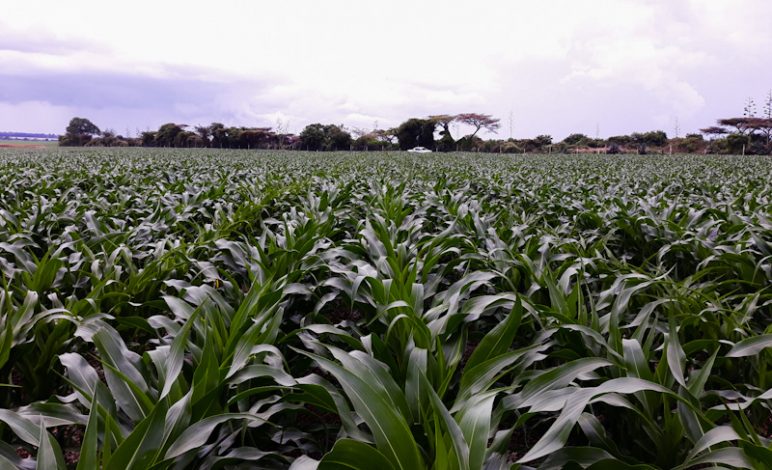
Kenya’s agricultural sector is the backbone of rural livelihoods and national food security. It contributes 20–25% to GDP and employs over 70% of the rural population.
However, in recent years, farmers have faced a perfect storm: erratic rainfall, rising input costs, market volatility, and infrastructure gaps.
Between 2020 and 2024, Kenya experienced one of the worst La Niña-induced droughts in 70 years, followed by devastating floods that displaced over 500,000 households. According to the Kenya National Bureau of Statistics (KNBS), climate variability has cost the country 3–5% of annual GDP through reduced yields, livestock losses, and food insecurity.
Yet amid these challenges, resilience is emerging, powered by smart risk management, digital platforms, and targeted financial solutions. At the forefront is Stanbic Bank, whose agribusiness offerings are helping Kenyan farmers weather the storm and build back stronger.
Sector Under Pressure: Five Years of Volatility
Kenya’s agricultural performance has fluctuated sharply over the past five years:
| Year | Agriculture Growth Rate (%) | Overall GDP Growth (%) | Agriculture’s Share of GDP Growth (%) |
|---|---|---|---|
| 2020 | N/A (COVID impact) | -0.3 | N/A |
| 2021 | -0.2 | 7.5 | Minimal |
| 2022 | -1.5 | 4.9 | Negative impact |
| 2023 | 6.5 | 5.6 | 23% |
| 2024 | 4.6 (preliminary) | 4.7 | Moderated |
Source: KNBS Economic Surveys
The Central Bank of Kenya (CBK) surveys highlight persistent challenges: high fertiliser prices, poor rural roads, and limited access to credit. While the sector absorbed labour during COVID-19 disruptions, long-term sustainability demands more than resilience.
Climate Risk: A Growing Threat to Food Security
Kenya has experienced 74 major natural disasters in the past four decades: 54 floods and 14 droughts. The 2020–2022 drought affected 8.8 million people, with humanitarian needs peaking at $2.4 billion.
In the Arid and Semi-Arid Lands regions, which cover 80% of Kenya and support 70% of livestock, these shocks have intensified resource conflicts and environmental degradation.
Without robust risk management, such as early warning systems, insurance, and climate-smart practices, these events threaten the sector’s stability. Agriculture’s extended footprint, including agro-processing and trade, accounts for nearly 33% of GDP.
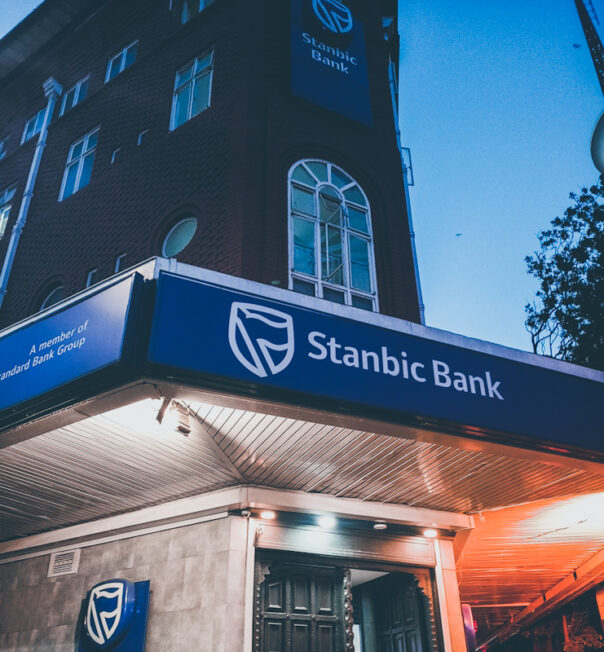
Stanbic Agribusiness Solutions: Turning Risk into Resilience
Stanbic Bank has stepped in with a suite of agribusiness solutions designed to de-risk farming and empower growth. These include:
- Agricultural insurance for crops, livestock, vehicles, and infrastructure.
- Working capital and asset financing tailored for seasonal cycles.
- Digital platforms that connect farmers to markets, data, and partners.
“The agricultural sector in Kenya plays a significant role in the national economy, contributing directly 23% to GDP and indirectly another 27% through strong linkages to other sectors such as manufacturing, logistics, distribution and service-related sectors,” says Philip Rono, Head of Agribusiness Sector at Stanbic Bank Kenya, highlighting the bank’s strategic commitment to Kenya’s agricultural sector.
“Agribusiness is one of the key sectors at Stanbic Bank and we’ve taken a holistic ecosystem approach to supporting the entire value chains, from input suppliers, service providers, primary agriculture, commercial and smallholder farmers, all the way to wholesalers and exporters.”
Stanbic’s insurance products cover:
- Agricultural vehicles and equipment: From ploughs to pickups, farmers can insure their tools of trade against theft, damage, and breakdown.
- Business infrastructure: Warehouses, irrigation systems, and cooling units are protected from natural disasters and operational risks.
- Livestock and crop insurance: Designed to cushion farmers from losses due to disease, drought, or flooding.
Stanbic’s agribusiness strategy spans input suppliers, service providers, primary producers, micro-processors, wholesalers, and exporters. The bank has pioneered platforms like the electronic billboard for the Mombasa tea auction and is now expanding upstream support to tea growers and manufacturers, including smallholder farmers.
“We have taken a holistic ecosystem approach,” Rono explains. “From financing and insurance to working capital and global markets solutions, our value proposition is designed to meet the evolving needs of agribusiness players.”
The bank also leads in floriculture, banking most of Kenya’s top growers and exporters. Its offerings include greenhouse financing, fertigation systems, water storage infrastructure, and treasury solutions for global markets.
Infrastructure: The Missing Multiplier
KNBS reports that only 20% of Kenya’s irrigable land is under irrigation. Poor rural roads delay market access and increase transport costs for perishables. Post-harvest losses average 20–30% annually for maize, fruits, and vegetables.
In 2017 alone, maize imports cost $67 million to offset domestic shortfalls linked to poor storage. While the national budget has increased agriculture’s central allocation from 2.2% to 2.4%, county governments have historically allocated just 6% to agriculture. Delays and inefficiencies persist.
Stanbic’s infrastructure financing helps agribusinesses invest in cold chains, irrigation, and storage. These assets are not just operational.
Stanbic OneFarm Solution: Farming Smarter, Not Harder
Stanbic has gone beyond traditional banking to offer digital platforms that empower farmers across the value chain.
Stanbic OneFarm Solution
Stanbic OneFarm Solution is a digital marketplace and agribusiness hub that connects farmers with buyers, suppliers, and service providers.
Whether you are a smallholder looking for better input prices or a cooperative seeking bulk buyers, OneFarm provides:
- Real-time market insights
- Access to verified partners
- Tools for planning and scaling
“Our relationship managers double up as sector specialists and advisers,” Rono notes. “They are supported by product experts in trade finance, bancassurance, asset finance, and digital solutions; all backed by in-house economists and research teams.”
Stanbic E-Market Trader
Stanbic E-Market Trader helps farmers monitor commodity prices, forecast trends, and make informed decisions.
This platform enables users to:
- Track price movements across key crops
- Anticipate market shifts
- Reduce exposure to volatility
Agribusiness Partnerships Power Inclusive Growth Across Kenya
Stanbic Bank Kenya has also been turning strategic partnerships into real-world impact, transforming agribusiness ecosystems and empowering rural communities.
Through its collaboration with the U.S. African Development Foundation (USADF), Stanbic has unlocked catalytic funding for grassroots enterprises:
- Kamsa Poultry Limited in Kisumu received a USD 50,000 grant to expand production, create jobs, and boost local food security.
- Solar Integrated Appliances scaled rural milling and solar-powered solutions in the North Rift, directly benefiting hundreds of households.
But Stanbic’s commitment goes far beyond grants. The bank is investing in digital tools, financial inclusion, and gender-responsive platforms that drive long-term resilience:
- KShs 63 million disbursed in MSME grants
- Launch of the Stanbic Chama App to digitise and empower rural savings groups
- KShs 37.8 billion disbursed via the D.A.D.A platform for women-led agribusinesses
- Digital literacy training for over 77,000 individuals nationwide
“These solutions go beyond financing,” said Philip Rono, Head of Agribusiness Sector at Stanbic Bank Kenya. “They build resilient infrastructure, reduce systemic risks, and empower communities to thrive.”
