



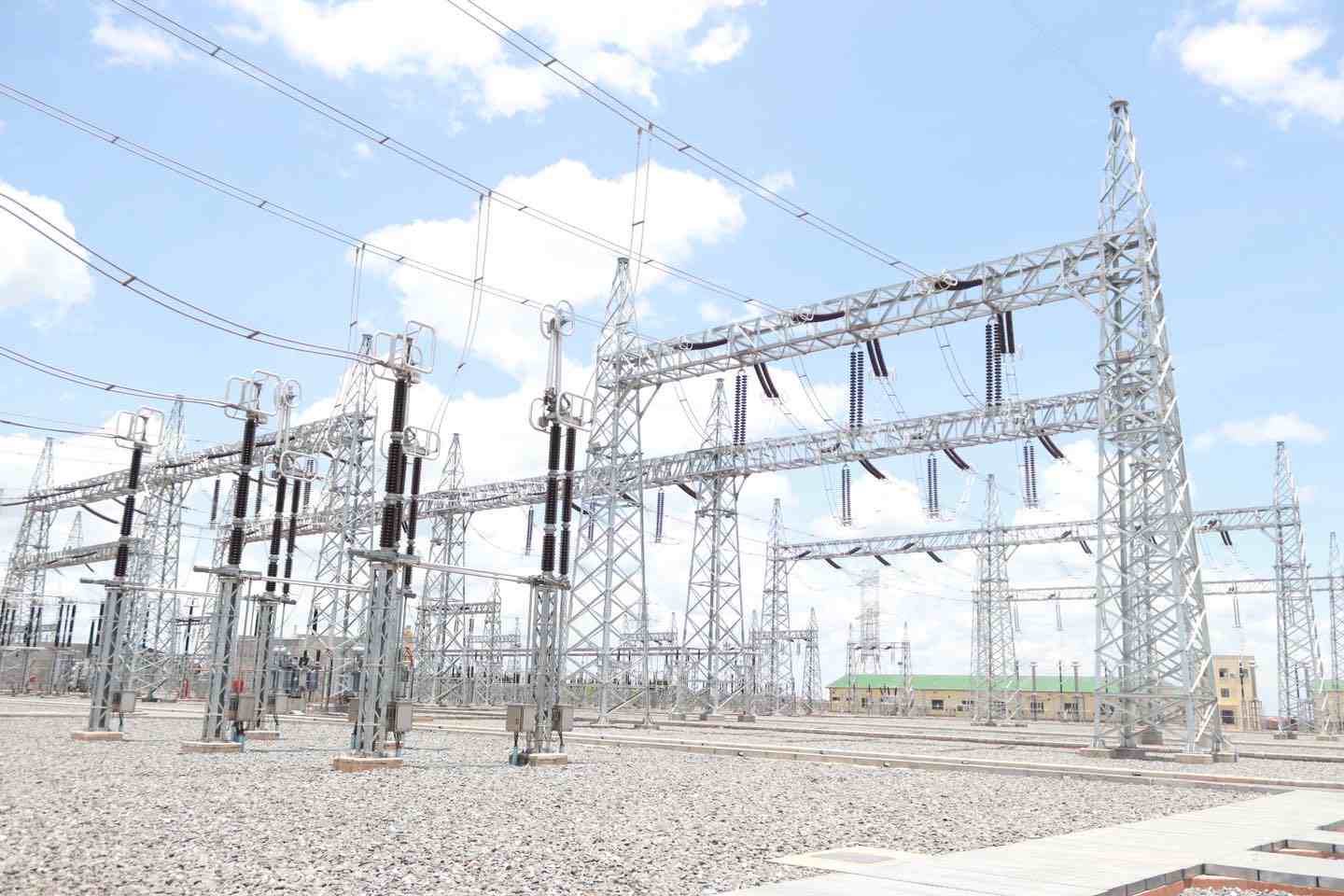
Uganda plans to borrow $358 million in loans from regional and international lenders to fund key infrastructure projects—including a high-voltage electricity transmission line to South Sudan.
The financing plan, presented to Parliament by junior finance minister Henry Musasizi on September 16, 2025, is part of the country’s broader push to monetise its surplus power and deepen regional connectivity.
Who’s Funding the Deal?
The proposed credit package will be sourced from:
- African Development Fund (ADF)—the concessional arm of the African Development Bank Group
- Arab Bank for Economic Development in Africa (BADEA)
- Standard Chartered Bank
Deputy Speaker Thomas Tayebwa has referred the loan request to a parliamentary committee for review. A final vote will follow once lawmakers assess the proposal’s viability and impact.
What’s in the Pipeline?
The funds will support several strategic projects:
- A 138-kilometre transmission line linking Olwiyo in northern Uganda to Juba, South Sudan’s capital
- Construction of a new substation in Bibia (Uganda) and Gumbo (South Sudan)
- Upgrades to existing substations in Karuma and Olwiyo
- A road corridor connecting Uganda’s northwest to the Democratic Republic of Congo
- Expansion of clean water access in underserved areas
Uganda is already in talks with the Chinese engineering firm Sinohydro to execute the power grid interconnection. The move is expected to unlock cross-border electricity trade and support South Sudan’s energy-starved economy.
Why Now?
Uganda’s electricity generation capacity received a major boost in September 2024 with the commissioning of the 600MW Karuma hydropower station, financed 85% by China. The plant has tipped Uganda into a power surplus, enabling exports to neighbours like South Sudan, Tanzania, and Rwanda.
Yet despite this progress, only 51.5% of Uganda’s population had access to electricity as of 2023, according to World Bank data. Most rural communities rely on off-grid solutions like solar home systems and mini-grids. The government targets 10 million new electricity connections to achieve universal access to electricity by 2030.
What’s the Bigger Picture?
This loan-backed infrastructure package reflects Uganda’s dual ambition:
- Internally, to improve service delivery and raise electrification rates
- Externally, to position itself as a reliable energy exporter in East Africa
With regional integration high on the agenda, Uganda’s investment in transmission infrastructure could be a game-changer for both trade and development.
