



Nairobi-headquartered lenders Equity Bank Group and KCB Group Plc are advancing strategic moves into Ethiopia, following regulatory reforms that opened the country’s banking sector to foreign investment.
Equity Bank Engages Ethiopian Investment Commission
Equity Bank Group CEO Dr. James Mwangi held talks with Ethiopian Investment Commission (EIC) Commissioner Dr. Zeleke Temesgen on Friday, a key step in the bank’s entry strategy.
“The Commission is ready to provide the necessary cooperation and support to facilitate the bank’s entry into Ethiopia’s financial sector,” said Dr. Temesgen.
Dr. Mwangi said Equity had long targeted Ethiopia as part of its regional growth strategy. “The government’s decision to open the financial sector to foreign investors presents a favourable opportunity for us to actualise our plans,” he stated.
Equity operates across six East and Central African markets and is among the region’s largest banks by customer base and assets. Ethiopia, with over 120 million people and low banking penetration, is emerging as a priority market for regional lenders.

KCB Group Targets Early Market Entry
KCB Group, led by CEO Paul Russo, is exploring acquisition opportunities and seeking exemptions from Ethiopia’s 49% foreign ownership cap.
“Whenever a market like that opens, getting an exemption is not difficult,” said Russo, citing Kenya’s diplomatic ties with Ethiopia. “We are in talks with local partners to strengthen our bid.”
In June 2025, the National Bank of Ethiopia began accepting foreign bank applications under the revised Banking Business Proclamation No. 1360/2024. Entry options include wholly owned subsidiaries, deposit-taking branches, and representative offices. All entities must meet capital requirements and comply with local data sovereignty rules.
KCB Group Chairman Dr. Joseph Kinyua and Russo met with Ethiopian regulators in June, signalling intent to enter under the new framework.
Digital Strategy and Regional Performance
KCB’s Ethiopia push aligns with the country’s digital acceleration, spurred by Safaricom’s M-PESA rollout. In March 2025, KCB acquired a 75% stake in fintech firm Riverbank Solutions for USD 15.5 million.
“This acquisition strengthens our ability to scale cross-border services and respond to evolving customer needs,” Russo noted.
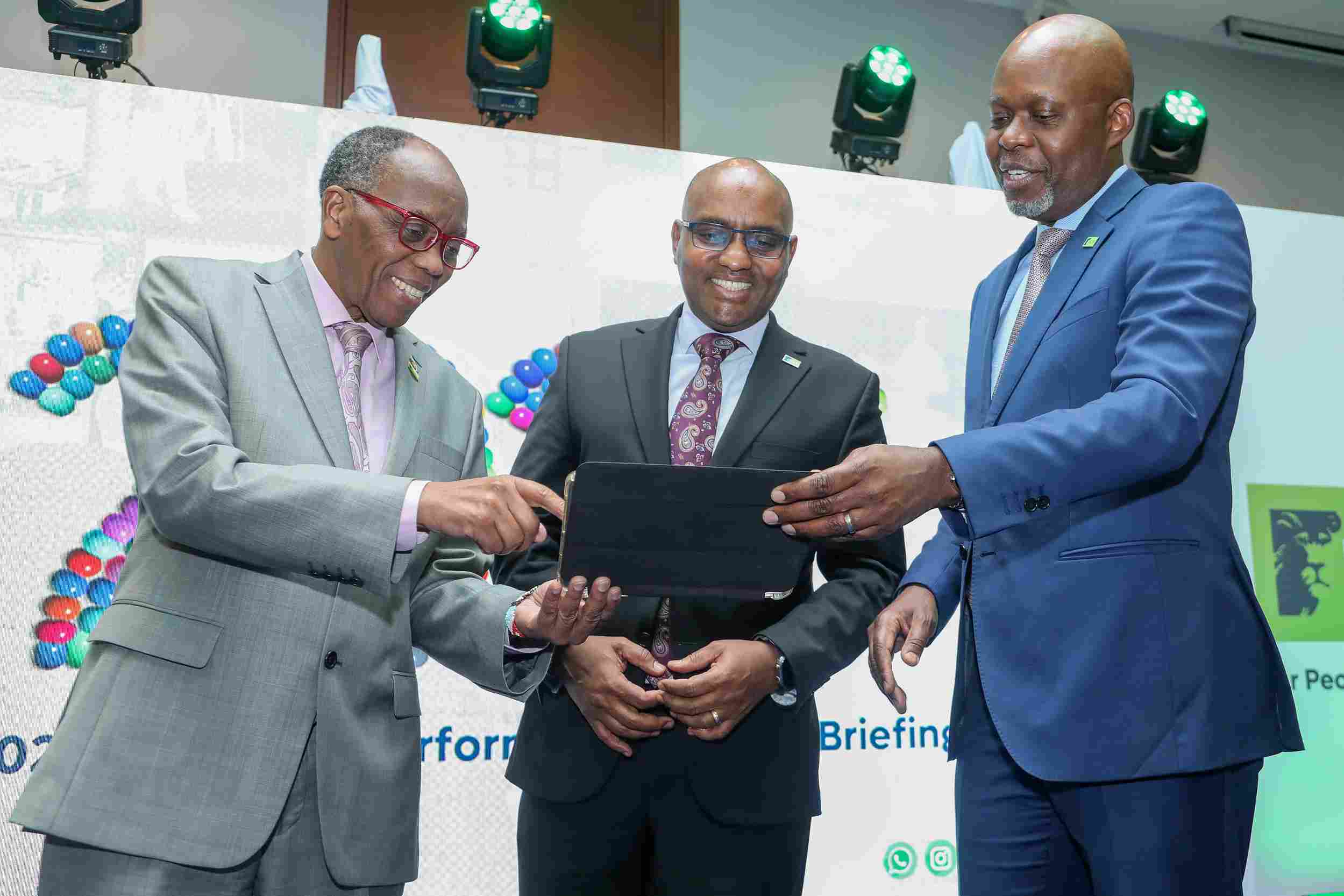
By September 2024, non-Kenyan operations contributed 36.6% of KCB’s profit after tax and 34% of total assets. Its Tanzanian subsidiary posted USD 48.6 million in revenue and USD 20 million in profit last year.
KCB’s East African footprint includes 528 branches, 1,313 ATMs, and over 1.2 million merchants and agents. In H1 2025, the Group reported a net profit of Ksh32.3 billion (USD 250 million), up 8% year-on-year.
Strategic Outlook
Analysts say successful entry into Ethiopia could position Nairobi-based banks as key players in cross-border financial integration and future capital market reforms.
“We are studying the directive closely to ensure full compliance and long-term sustainability,” Russo said.
READ
- Ethiopia: The Next Big Fintech Giant in Africa?
- Broadcom CEO Discusses Challenges and Opportunities in Ethiopian Market
