



Flying to Tanzania will become significantly more expensive from November 1, 2025, as the government introduces a new Passenger Facilitation Fee (PFF) aimed at funding advanced airport security systems.
According to the Tanzania Civil Aviation Authority (TCAA), the fee will apply to all international travellers entering or leaving the country, with airlines expected to incorporate the charge into ticket prices.
- $45 (Ksh5,814) for one-way tickets
- $90 (Ksh11,628) for round-trip journeys
The levy will appear as a separate line item on tickets and will be refundable in cases of cancellations or unused bookings.
Who’s Exempt?
Infants under two years, airline crew on duty, and passengers rerouted due to weather or technical issues will not be charged. Additionally, citizens of EAC and SADC member states are exempt from the fee, as reported by The EastAfrican.
Why the New Fee?
TCAA says the funds will support the deployment of two key systems:
- Advanced Passenger Information System (APIS)—collects basic traveller data before arrival
- Electronic Border Control System (eBCS)—screens passengers to curb terrorism and cross-border crime
These upgrades follow a 2023 audit by the International Civil Aviation Organisation (ICAO), which flagged Tanzania’s lack of such systems as a major security gap.
“Reliance on government financing is costly and may not be sustainable,” TCAA stated. “Introducing the fee ensures the system remains efficient, secure, and financially sustainable while distributing costs fairly among stakeholders.”
Industry Pushback
Critics argue the fee is excessive. Aviation analyst Sean Mendis noted,
“The actual cost of providing these services is nowhere near as high as is being levied… It is no doubt being used as a general revenue-raising initiative under the cover of security.”
The African Airlines Association has also warned against rising aviation charges across the continent, citing their impact on tourism and passenger volumes.
Compounding Costs
The VI Tax follows another travel-related policy: mandatory travel insurance introduced in Dar es Salaam in June 2025. Set to take effect in January 2026, the $44 (Ksh5,684) insurance will cover medical emergencies, repatriation, accidents, and baggage issues. EAC and SADC nationals will be exempt.
Local tourism stakeholders fear the combined costs could deter visitors and strain one of Tanzania’s top foreign exchange earners.
Regional Aviation Developments
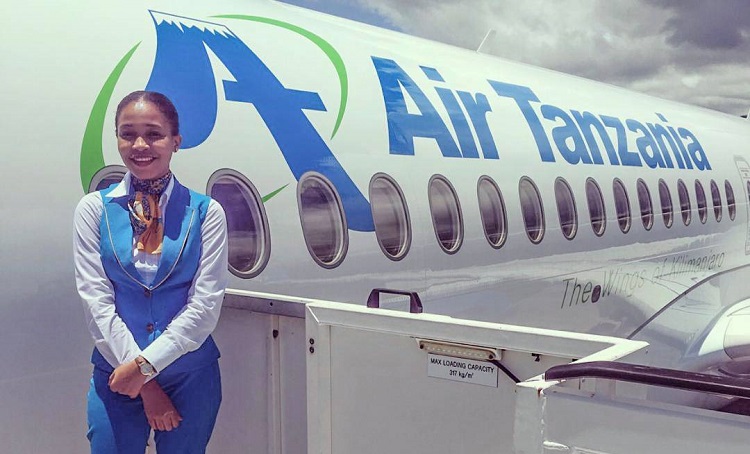
The announcement comes weeks after Kenya Airways (KQ) and Air Tanzania Company Limited (ATCL) signed a Memorandum of Understanding (MoU) to foster collaboration in engineering, cargo, and maintenance services.
However, the Tanzanian government has since imposed restrictions on foreign business ownership, barring non-citizens from operating 15 categories of enterprises, a move that may further complicate regional cooperation.
